
Last updated November 13, 2025
Add Next Stamina on Google
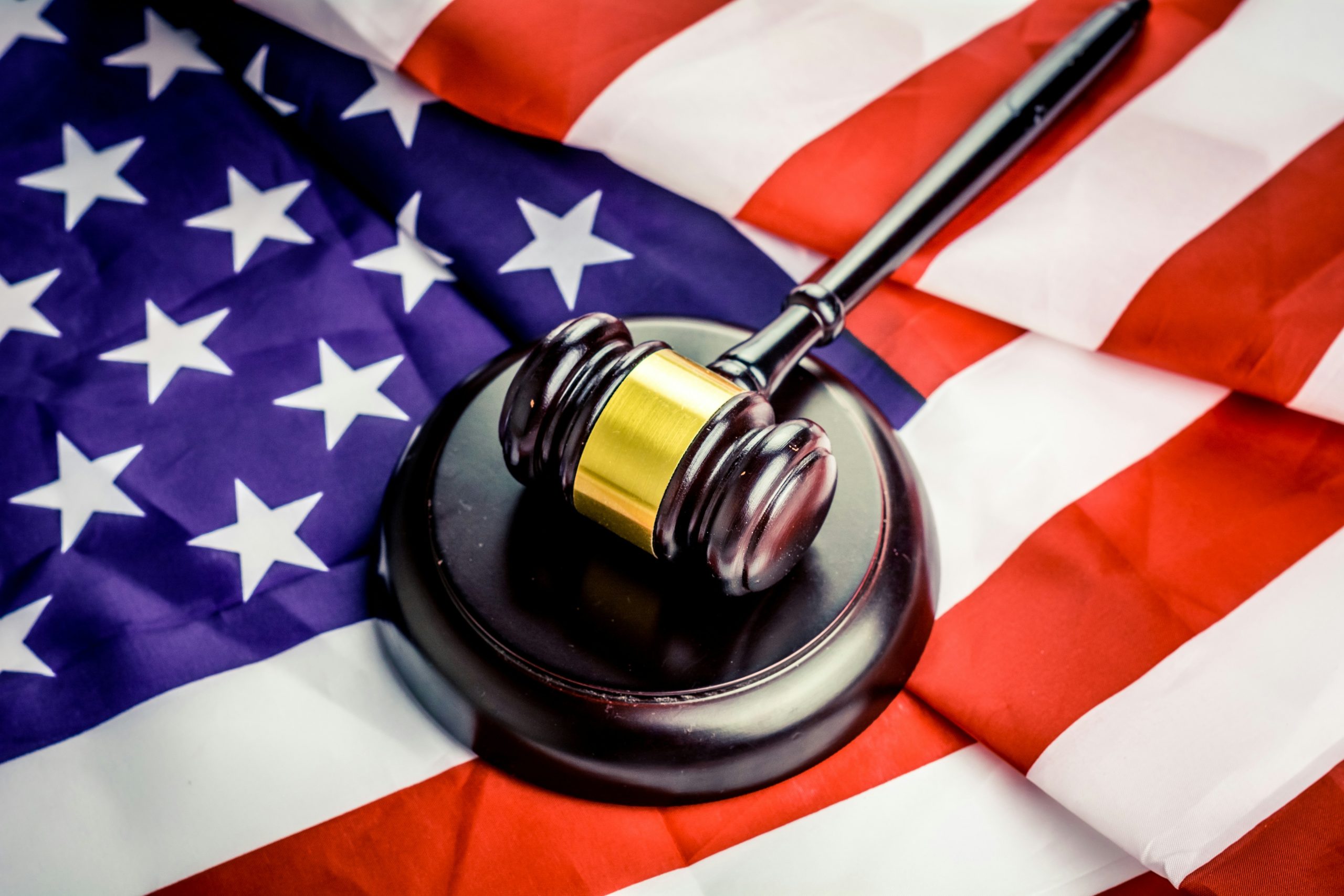
Lawyers for former FBI Director James Comey and New York Attorney General Letitia James, two vocal critics of former President Donald Trump, are urging a federal judge to dismiss criminal charges against them, arguing that the prosecutor who brought the cases was unlawfully appointed.
The motion, set for arguments Thursday in the U.S. District Court for the Eastern District of Virginia, challenges the appointment of Lindsey Halligan as interim U.S. attorney. Defense lawyers contend that Halligan’s installation violated federal law and constitutional provisions governing the selection of top federal prosecutors.
The dispute centers on how interim U.S. attorneys are appointed. Typically, those positions are filled by nominees approved by the president and confirmed by the Senate. However, the attorney general can temporarily appoint an interim prosecutor for up to 120 days. Once that term expires, the statute gives the district’s federal judges the authority to fill the vacancy.
Defense attorneys argue that Attorney General Pam Bondi, acting at Trump’s public urging, bypassed the courts by installing Halligan after the resignation of then–interim U.S. attorney Erik Siebert in September. Siebert, who had faced pressure from the Trump administration to bring charges against Comey and James, had earlier been nominated by Trump and supported by the district’s judges to remain in the role.
Prosecutors counter that the law does not forbid back-to-back interim appointments and maintain that even if Halligan’s appointment was technically invalid, the indictments should stand.
Comey faces charges of making false statements and obstructing Congress, while James is accused of mortgage fraud. Both have pleaded not guilty. Their defense teams also allege that the prosecutions were politically motivated and driven by Trump’s personal animus toward them.
The outcome of the motion could have implications beyond the two cases, potentially shaping how future administrations interpret the Justice Department’s authority to install interim U.S. attorneys without judicial approval.
The AP contributed to this report.
Recent Updates
-
Santa Clara County detectives wanted San Jose man David Huerta for sexual battery and registration violations
By Editorial Desk • April 16, 2026 -
At-risk Latino senior Murillo-Zamora located after missing from Fruitvale Avenue, Oakland in California
By Editorial Desk • April 16, 2026 -
Redwood City, California Police Department announce April 18 DUI checkpoint to reduce impaired driving incidents
By Editorial Desk • April 15, 2026 -

Santa Rosa, California Police Department schedules DUI checkpoint for Friday evening to improve road safety
By Editorial Desk • April 15, 2026 -
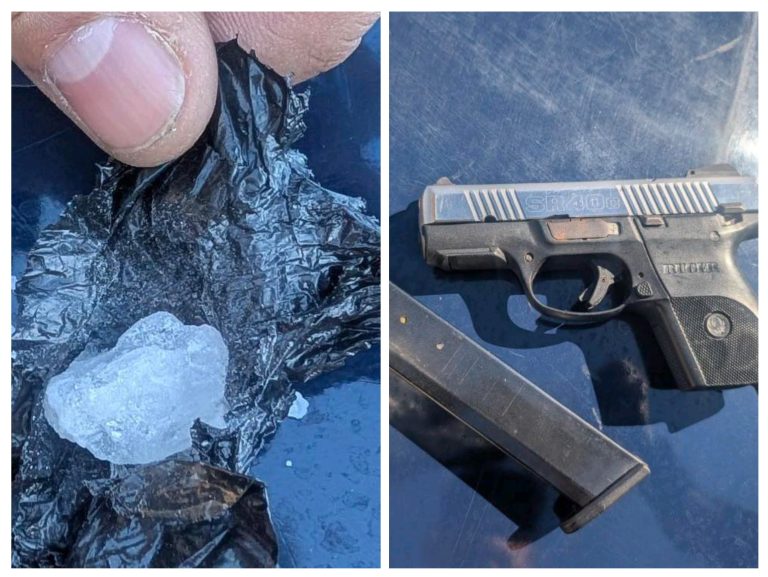
During patrol on Guadalupe River Bike Trail – San Jose, California police seize firearm and narcotics
By Editorial Desk • April 15, 2026 -

Following fatal Mission Street hit-and-run – San Francisco police arrest 30-year-old man for homicide
By Editorial Desk • April 15, 2026 -

Berkeley, California police seek public assistance locating missing 28-year-old man Hadari Darden
By Editorial Desk • April 15, 2026 -
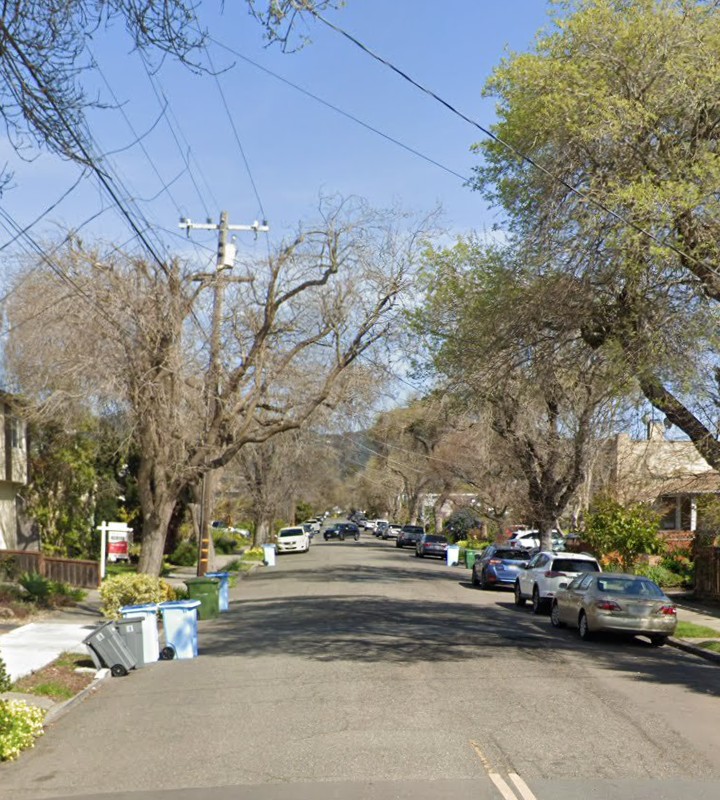
Missing at-risk 15-year-old African American teenager Zahra Muwwakkil found safe in Berkeley, California
By Editorial Desk • April 15, 2026 -

Family offers $10,000 reward for information on missing Oakland, California 52-year-old woman Amy Hillyard
By Editorial Desk • April 15, 2026 -
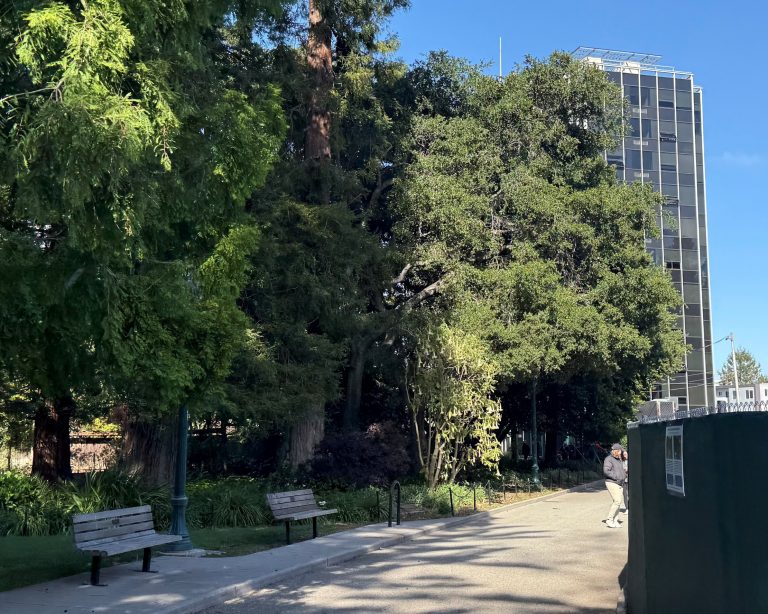
San Mateo, California police arrest Quinn Johns for physical attack on 83-year-old man on Laurel Avenue
By Editorial Desk • April 15, 2026