
Last updated November 13, 2025
Add Next Stamina on Google
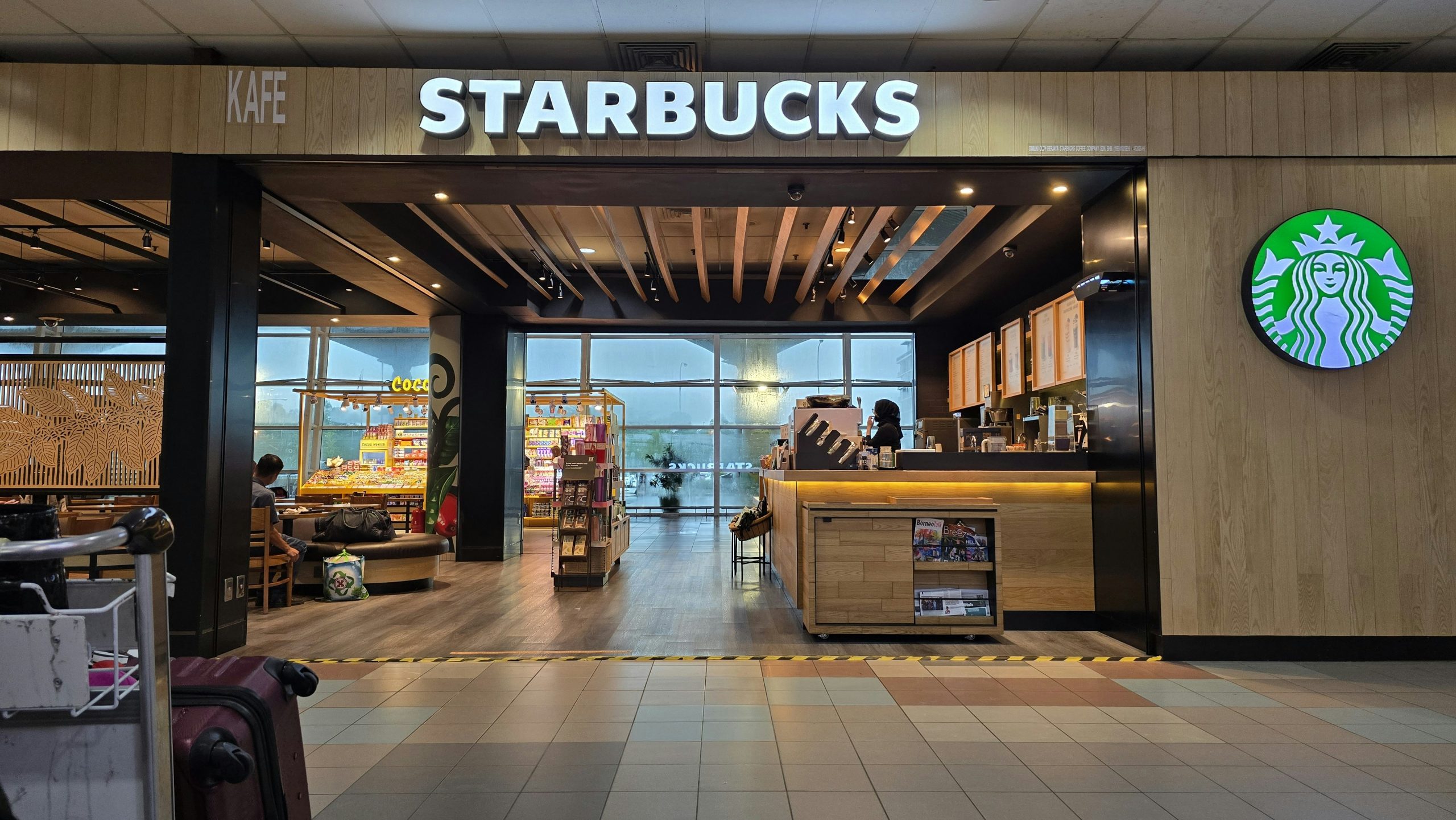
More than 1,000 unionized Starbucks employees walked off the job Thursday, staging strikes at 65 U.S. stores to protest the company’s failure to reach a labor contract agreement.
The walkout coincided with Starbucks’ annual Red Cup Day, one of its busiest promotional events, when customers receive a free reusable holiday cup with their drink purchase. Organizers said the strike has already shuttered several locations and could expand to more if the company doesn’t return to negotiations.
Stores in 45 cities, including New York, Philadelphia, Minneapolis, San Diego, Dallas, St. Louis, Columbus, Ohio, and Starbucks’ hometown of Seattle, have been affected. The union said the strike is open-ended.
Starbucks said the “vast majority” of its 10,000 company-owned stores and 7,000 licensed locations across the U.S. remain open. Around 550 stores are unionized, though the company closed 59 of those in September amid a broader reorganization.
A Contract Stalemate
The union, Starbucks Workers United, says the company has stalled negotiations since the ouster of former CEO Laxman Narasimhan in 2024, who had pledged to finalize a contract by year’s end. Talks have been frozen since April under new CEO Brian Niccol, according to union leaders.
Workers say they’re demanding fair pay, predictable hours, and improved staffing to reduce long customer wait times. Many part-time baristas say they’re scheduled for fewer than 20 hours weekly—just below the threshold for benefits eligibility.
“I want Starbucks to succeed. My livelihood depends on it,” said Dochi Spoltore, a Pittsburgh barista earning $16 per hour. “We’re proud of our work, but we’re tired of being treated like we’re disposable.”
The union has also accused the company of retaliating against pro-union workers and of making workplace policy changes without negotiation, including restricting restrooms to paying customers.
Starbucks Defends Its Record
Starbucks said it already offers one of the most competitive wage and benefits packages in the retail industry, averaging $30 per hour when benefits are included. Employees receive up to 18 weeks of paid family leave and full tuition coverage for a four-year degree, the company said.
In a recent letter, Sara Kelly, Starbucks’ chief partner officer, said union leaders “walked away from the bargaining table” and proposed changes that would “significantly alter operations,” such as allowing workers to halt mobile orders when queues exceed five.
“Starbucks remains ready to talk and believes we can move quickly to a reasonable deal,” Kelly wrote.
Symbolic but Visible
Labor experts say that while the number of unionized stores is small compared to Starbucks’ total footprint, the strikes are highly visible and could influence public opinion.
“Unlike manufacturers, retail workers interact directly with customers,” said Todd Vachon, a labor relations professor at Rutgers University. “That makes public shaming a powerful tool for unions.”
Company Sales Rebound
Despite labor unrest, Starbucks’ same-store sales rose 1% in the July–September quarter—its first increase in nearly two years. CEO Niccol has since rolled out new hospitality standards and redesigned stores to be more inviting.
The company’s holiday product launches have also driven strong sales. Last week, Starbucks sold out of its collectible glass Bearista cups almost immediately after release.
Still, with contract talks stalled and worker frustration rising, the dispute marks a fresh test for the coffee giant’s labor relations during one of its most profitable seasons.
The AP contributed to this report.
Recent Updates
-
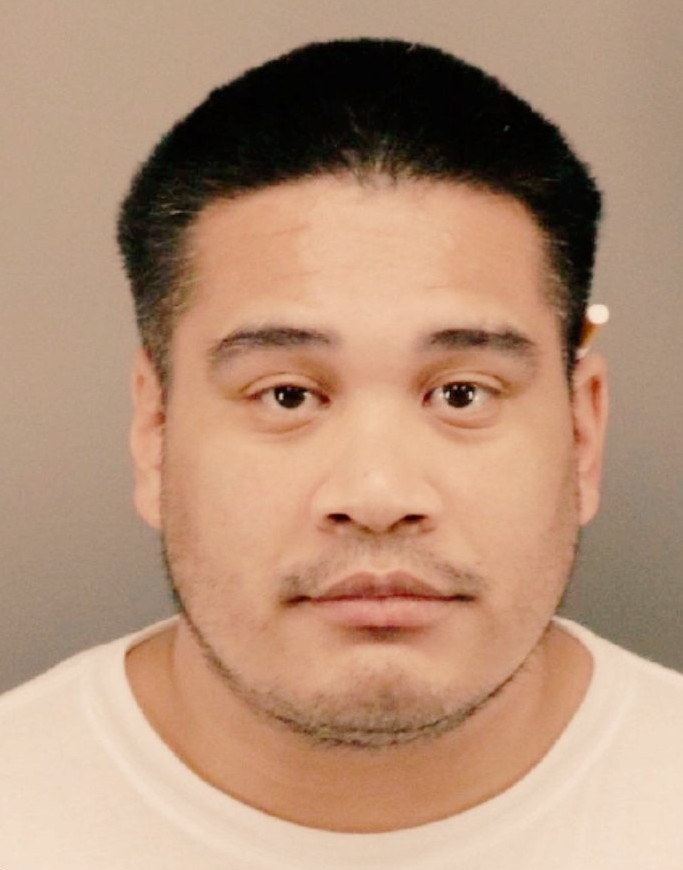
Santa Clara County detectives wanted San Jose man David Huerta for sexual battery and registration violations
By Editorial Desk • April 16, 2026 -

At-risk Latino senior Murillo-Zamora located after missing from Fruitvale Avenue, Oakland in California
By Editorial Desk • April 16, 2026 -
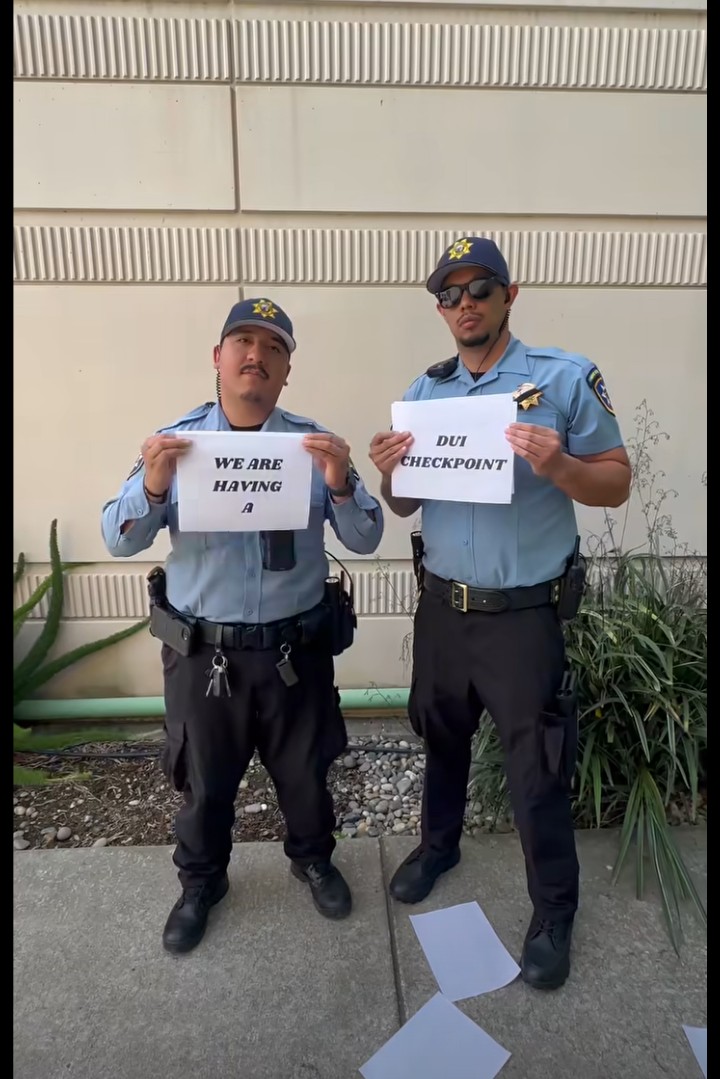
Redwood City, California Police Department announce April 18 DUI checkpoint to reduce impaired driving incidents
By Editorial Desk • April 15, 2026 -
Santa Rosa, California Police Department schedules DUI checkpoint for Friday evening to improve road safety
By Editorial Desk • April 15, 2026 -

During patrol on Guadalupe River Bike Trail – San Jose, California police seize firearm and narcotics
By Editorial Desk • April 15, 2026 -
Following fatal Mission Street hit-and-run – San Francisco police arrest 30-year-old man for homicide
By Editorial Desk • April 15, 2026 -

Berkeley, California police seek public assistance locating missing 28-year-old man Hadari Darden
By Editorial Desk • April 15, 2026 -
Missing at-risk 15-year-old African American teenager Zahra Muwwakkil found safe in Berkeley, California
By Editorial Desk • April 15, 2026 -

Family offers $10,000 reward for information on missing Oakland, California 52-year-old woman Amy Hillyard
By Editorial Desk • April 15, 2026 -
San Mateo, California police arrest Quinn Johns for physical attack on 83-year-old man on Laurel Avenue
By Editorial Desk • April 15, 2026