
Last updated December 12, 2025
Add Next Stamina on Google
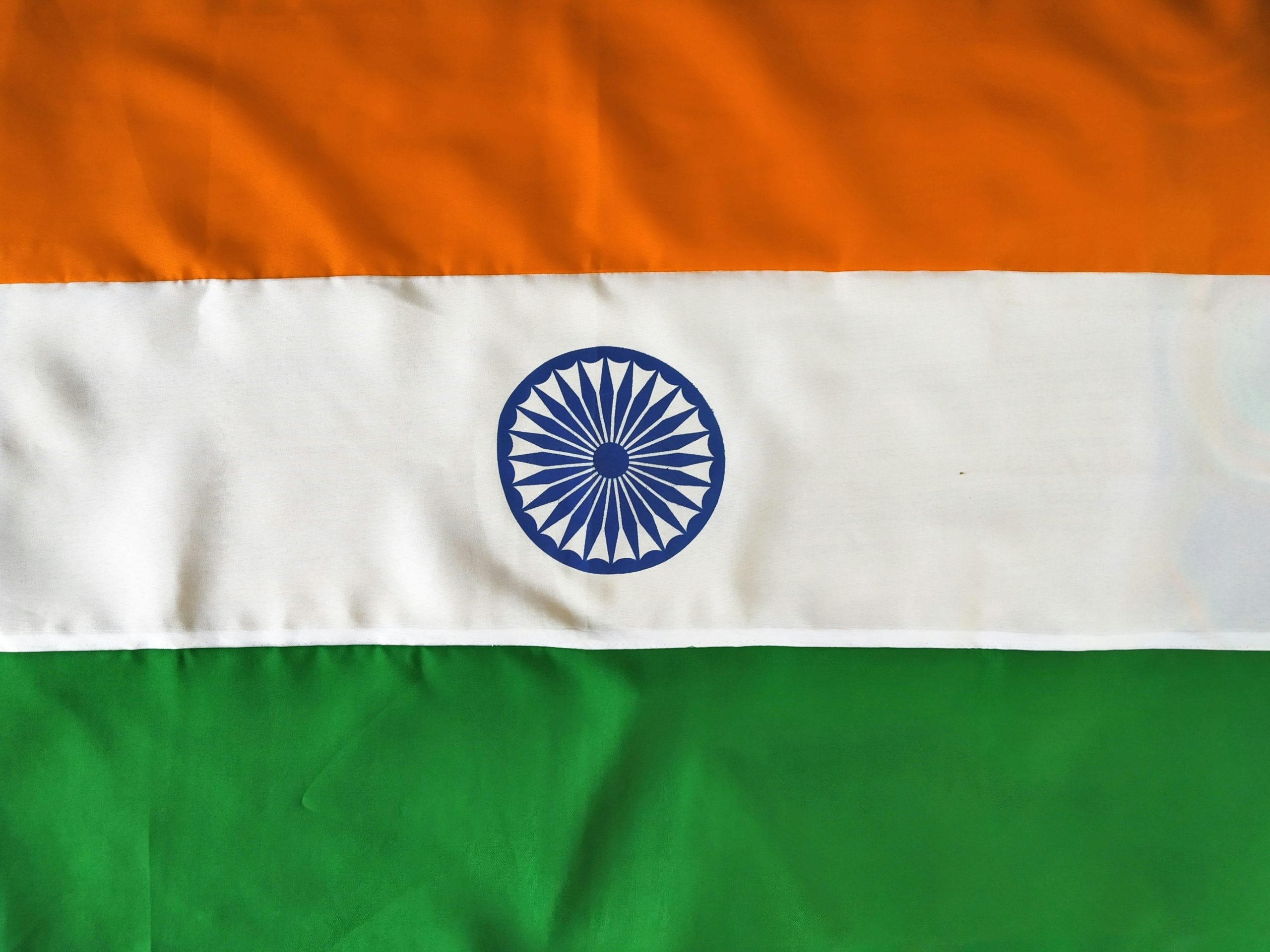
NEW DELHI, India –– India has streamlined its visa process for Chinese business professionals, aiming to revive economic ties with its Asian neighbor and tackle delays that have cost billions of dollars in lost output, officials said.
Two government sources told Reuters that New Delhi has removed a layer of bureaucratic scrutiny, cutting business visa approval times to less than a month. “We have removed the layer of administrative vetting and are processing the business visas within four weeks,” one official told Reuters on condition of anonymity.
The move follows Prime Minister Narendra Modi’s visit to China earlier this year, his first in seven years, during which he met Chinese President Xi Jinping to discuss improving bilateral relations. Since then, direct flights between the two countries have resumed for the first time since 2020.
India had nearly halted Chinese visits after a border clash in the Himalayas in mid-2020, expanding its vetting of business visas beyond the home and foreign ministries. The resulting delays contributed to production losses of an estimated $15 billion over four years, according to the Observer Research Foundation, a New Delhi-based think tank. Electronics manufacturers, including major firms like Xiaomi, were among the hardest hit. The solar sector also faced labor shortages due to visa restrictions.
The easing of restrictions comes after a high-level committee led by former cabinet secretary Rajiv Gauba, now part of a top government think tank, recommended reducing barriers for Chinese investment and skilled workers.
Industry groups welcomed the change. Pankaj Mohindroo, head of the Indian Cellular and Electronics Association, told Reuters that the government’s decision “reflects a collaborative approach and the government’s acceptance of our recommendations.” He added that the move comes at a critical time as India expands production of both finished goods and components.
The shift in policy also coincides with India’s broader recalibration of its international relations. After U.S. President Donald Trump imposed tariffs of up to 50% on Indian goods, including a 25% penalty on Russian oil purchases, India sought to strengthen ties with China and Russia while continuing trade negotiations with the U.S.
“We are cautiously easing some rules around restrictions on China, which, we hope, will improve the overall business environment,” a second official told Reuters.
India’s ministries of external affairs, home, trade, and the prime minister’s office did not respond to requests for comment.
Recent Updates
-

Santa Clara County detectives wanted San Jose man David Huerta for sexual battery and registration violations
By Editorial Desk • April 16, 2026 -

At-risk Latino senior Murillo-Zamora located after missing from Fruitvale Avenue, Oakland in California
By Editorial Desk • April 16, 2026 -
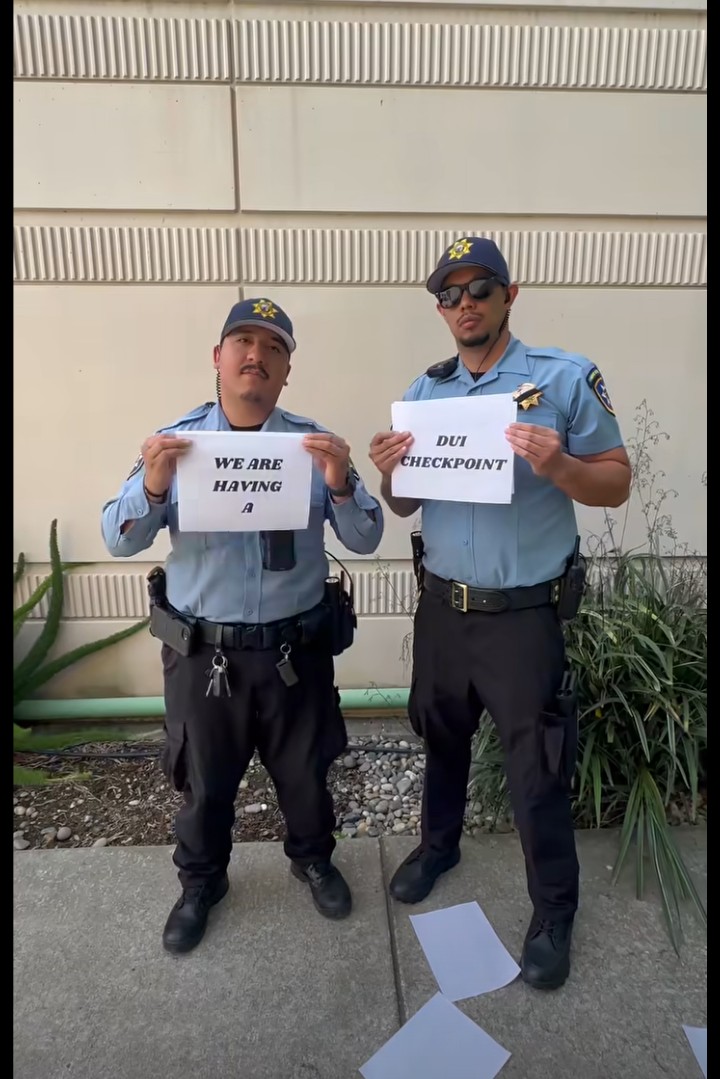
Redwood City, California Police Department announce April 18 DUI checkpoint to reduce impaired driving incidents
By Editorial Desk • April 15, 2026 -

Santa Rosa, California Police Department schedules DUI checkpoint for Friday evening to improve road safety
By Editorial Desk • April 15, 2026 -

During patrol on Guadalupe River Bike Trail – San Jose, California police seize firearm and narcotics
By Editorial Desk • April 15, 2026 -

Following fatal Mission Street hit-and-run – San Francisco police arrest 30-year-old man for homicide
By Editorial Desk • April 15, 2026 -

Berkeley, California police seek public assistance locating missing 28-year-old man Hadari Darden
By Editorial Desk • April 15, 2026 -

Missing at-risk 15-year-old African American teenager Zahra Muwwakkil found safe in Berkeley, California
By Editorial Desk • April 15, 2026 -

Family offers $10,000 reward for information on missing Oakland, California 52-year-old woman Amy Hillyard
By Editorial Desk • April 15, 2026 -
San Mateo, California police arrest Quinn Johns for physical attack on 83-year-old man on Laurel Avenue
By Editorial Desk • April 15, 2026