
- Article
- |
- Business
- |
- Politics
- |
- United States
Last updated November 13, 2025

Add Next Stamina on Google
As the federal government reopens after the longest shutdown in U.S. history, thousands of federal employees are wondering whether the hardship they endured was worth it.
For six weeks, Social Security claims specialist Jessica Sweet cut corners to survive. She limited herself to one coffee a day, skipped meals, and postponed paying bills while relying on credit cards to buy gas for work. Now, she and hundreds of thousands of others who missed paychecks are bracing for back pay — and grappling with resentment over being used as political leverage.
“It’s very frustrating to go through something like this,” said Sweet, a union steward for AFGE Local 3343 in New York. “It shakes the foundation of trust that we all place in our agencies and in the federal government to do the right thing.”
The shutdown, which began Oct. 1, stemmed from a political standoff after Democrats blocked a short-term funding bill that lacked an extension of Affordable Care Act health insurance subsidies. It ended only when eight Democratic-aligned senators broke ranks and agreed to fund the government without the subsidies — a move that left many workers feeling betrayed.
At least 670,000 federal employees were furloughed and about 730,000 others worked without pay, according to the Bipartisan Policy Center. The strain on workers, coupled with flight disruptions and food aid cuts, ultimately pressured lawmakers into compromise.
Throughout the shutdown, President Donald Trump’s administration sought to use federal employees’ unpaid status as leverage. Trump threatened to withhold back pay and initiated layoffs — actions later blocked by a federal court. The new bipartisan deal reverses those dismissals and ensures employees will receive missed wages while restoring funding for SNAP and other programs.
For Sweet, however, the damage runs deeper than lost income. “Stress and hunger are great tactics for traumatizing people,” she said. “There are other federal workers who understood what we were holding the line for and are extremely unhappy that trust was breached.”
Adam Pelletier, a National Labor Relations Board field examiner and union leader, said he’s relieved by the deal but feels manipulated. “The agreement that was reached almost feels like the Charlie Brown cartoon where Lucy holds the football and pulls it out from them,” he said.
Pelletier said he began saving in March when it became clear that a funding stalemate was looming. Still, he described feeling “like a pawn,” powerless as decisions about his livelihood played out in Washington.
Elizabeth McPeak, a furloughed IRS employee in Pittsburgh, said she saw colleagues pleading with landlords to delay rent and turning to food banks for groceries. “This has been the worst time in my 20 years to be a federal employee,” said McPeak, who serves as first vice president of NTEU Chapter 34. “A month without pay is a long time to go.”
For many, returning to work brings relief — but also lingering doubts about whether it could all happen again.
The AP contributed to this report.
Recent Updates
-

Santa Clara County detectives wanted San Jose man David Huerta for sexual battery and registration violations
By Editorial Desk • April 16, 2026 -

At-risk Latino senior Murillo-Zamora located after missing from Fruitvale Avenue, Oakland in California
By Editorial Desk • April 16, 2026 -
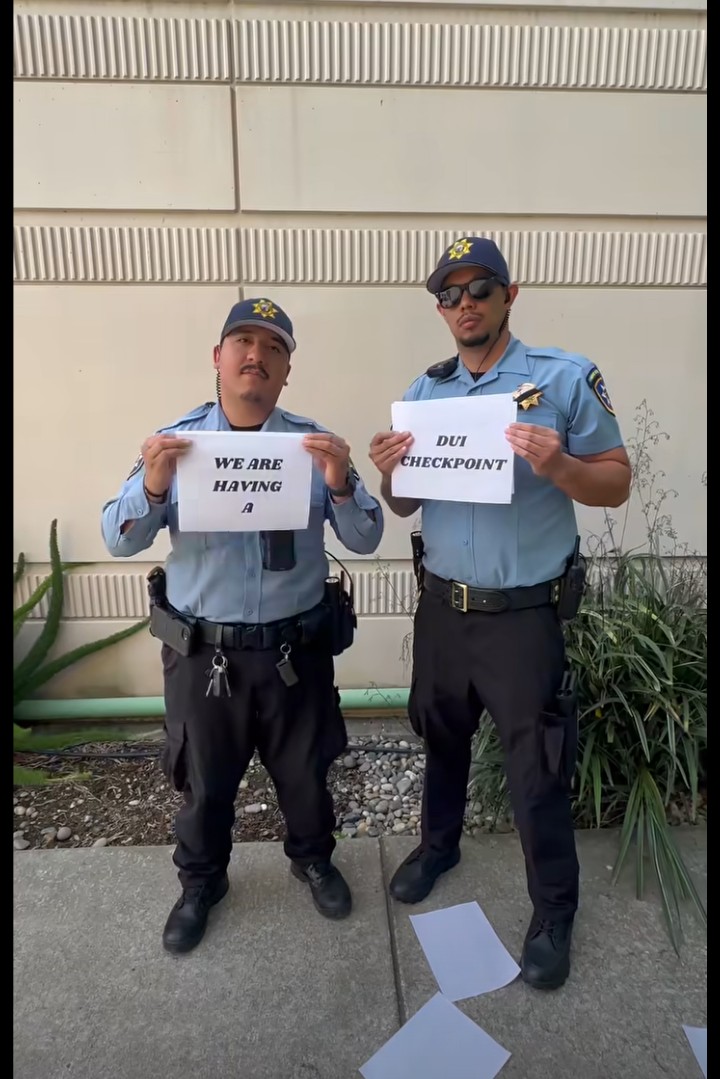
Redwood City, California Police Department announce April 18 DUI checkpoint to reduce impaired driving incidents
By Editorial Desk • April 15, 2026 -

Santa Rosa, California Police Department schedules DUI checkpoint for Friday evening to improve road safety
By Editorial Desk • April 15, 2026 -

During patrol on Guadalupe River Bike Trail – San Jose, California police seize firearm and narcotics
By Editorial Desk • April 15, 2026 -

Following fatal Mission Street hit-and-run – San Francisco police arrest 30-year-old man for homicide
By Editorial Desk • April 15, 2026 -

Berkeley, California police seek public assistance locating missing 28-year-old man Hadari Darden
By Editorial Desk • April 15, 2026 -
Missing at-risk 15-year-old African American teenager Zahra Muwwakkil found safe in Berkeley, California
By Editorial Desk • April 15, 2026 -

Family offers $10,000 reward for information on missing Oakland, California 52-year-old woman Amy Hillyard
By Editorial Desk • April 15, 2026 -
San Mateo, California police arrest Quinn Johns for physical attack on 83-year-old man on Laurel Avenue
By Editorial Desk • April 15, 2026