
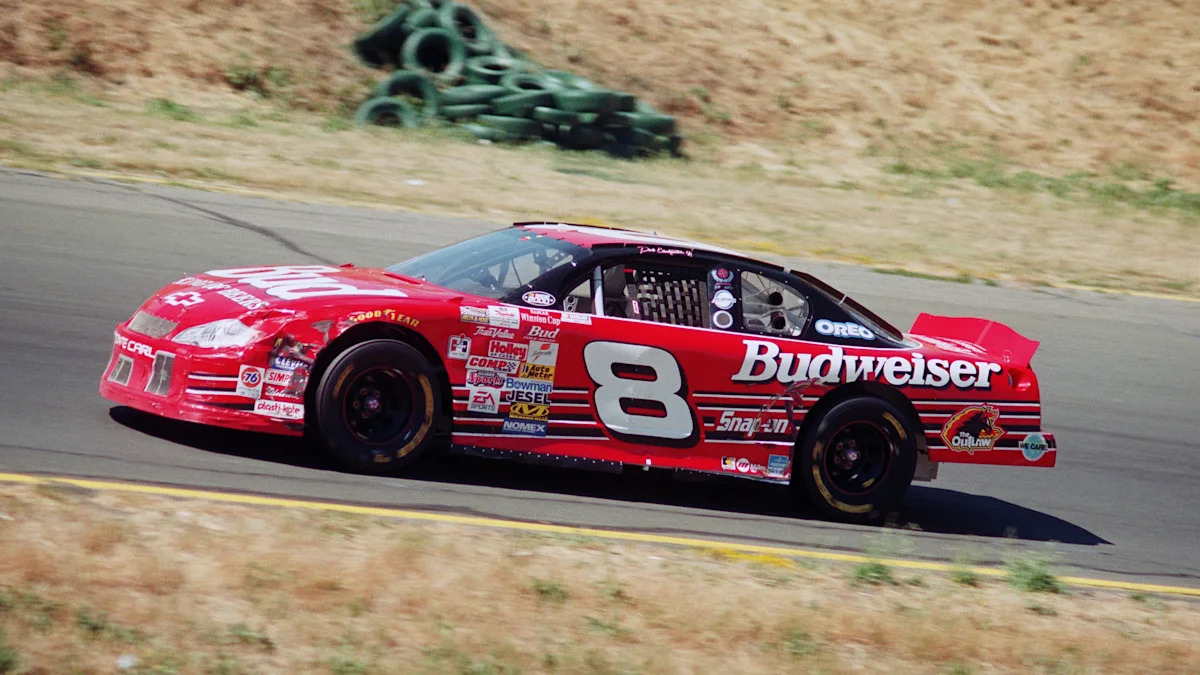
Dale Earnhardt Jr. is expressing significant doubt regarding the influx of outside financial interest currently entering NASCAR.
The former driver suggests that many new investors are treating team charters like collectible baseball cards rather than businesses requiring long-term commitment, according to Yahoo Sports.
Earnhardt noted that while he welcomes new capital, he is wary of those hoping to flip their stake for a profit in just a few years.
He articulated his concerns during a recent podcast appearance, stating, “I’m curious and skeptical of anybody investing in the sport believing that they’re going to double their investment like a stock in a couple of years.”
The financial stakes are high, with industry estimates valuing charters between $90 million and $100 million.
However, Earnhardt emphasized that possessing a charter does not cover the daily operational costs of tires, fuel, and crew salaries.
Recent high-profile investments include the Avenue Sports Fund joining Trackhouse and Knighthead Capital entering Legacy Motor Club.
Additionally, Harris Blitzer Sports & Entertainment has secured a minority stake in Joe Gibbs Racing.
Despite these cash injections, Earnhardt fears that these entities may exit the sport if performance results do not meet their expectations.
He argued that the focus should shift toward improving the on-track product rather than merely chasing corporate partnerships.
Driver Kevin Harvick has echoed these sentiments, suggesting that the current vehicle requires a technical update to enhance racing quality.
Harvick specifically stated, “We don’t need a Gen 8 car; we need a Gen 7.5,” as reported by the outlet.
Earnhardt pointed to the success of events like the 2.4 Hours of LeMullets as evidence that fans prefer physical, chaotic racing over corporate-focused strategies.
He remains concerned by the disconnect between rising charter values and stagnant television ratings.
Ultimately, the former driver insists that the sport requires owners who are dedicated to building a business for the long haul.
He concluded that NASCAR cannot afford to have stakeholders who view the garage as a temporary stop on a trading floor.