
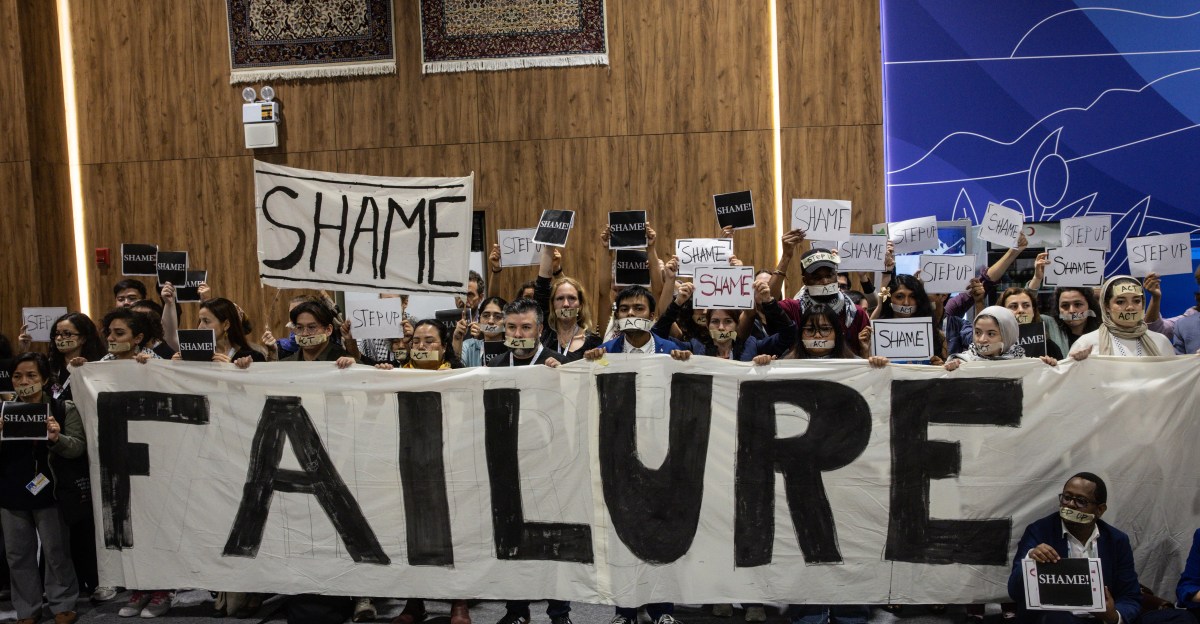
The COP31 United Nations climate conference concluded in Antalya, Turkey, on Sunday following a series of sessions marked by significant tension.
Attendees gathered to address the ongoing commitment to mitigate climate change as outlined in the 2015 Paris climate accord.
The primary objective of the international assembly was to discuss strategies for reducing global greenhouse gas emissions.
Experts noted that the clean energy transition is currently hindered by the necessity of electrifying the global economy while simultaneously managing the rapid growth of energy-intensive infrastructure.
The rise of power-hungry data centers has introduced a new complication for negotiators attempting to meet established environmental targets.
According to The Verge, the surge in electricity demand from these facilities creates a significant hurdle for the clean energy revolution.
Delegates spent the duration of the summit grappling with the reality that increasing energy consumption threatens to undermine efforts to curb climate change.
The conference aimed to prevent the escalation of extreme weather events that lead to coastal flooding and widespread agricultural droughts.
Participants emphasized that protecting food and water systems remains a critical priority for the international community.
Despite these goals, the gathering in Turkey ended in what was described as a chaotic and unsatisfying manner, as reported by The Verge.
Protesters remained visible outside the plenary hall throughout the final day of the event to voice concerns regarding the slow pace of progress.
The tension between technological growth and environmental sustainability remains a central theme for future climate policy discussions.
As the world continues to rely on digital infrastructure, the energy requirements of artificial intelligence and data storage will likely remain a focal point for subsequent United Nations climate negotiations.
The outcome of the summit highlights the complex intersection of modern technological expansion and the urgent need for a sustainable global power grid.