
A major effort to overhaul federal regulations for digital assets faces a procedural hurdle on the Senate floor.
Senators vote Tuesday on whether to proceed with the Clarity Act, a 600-plus-page measure backed by crypto firms.
Uncertainty surrounds the outcome as Democratic leaders negotiate changes to revised text introduced by Republicans.
Negotiators seek revisions to ethics rules aimed at restricting presidential profits from private crypto ventures.
Expressing dissatisfaction with proposed language, Democratic Sen. Ruben Gallego of Arizona urged deeper concessions.
Highlighting executive ethics concerns, Gallego stated, “If they think this is a final deal, it’s not their call.”
Republicans defended their proposal as a compromise allowing state attorneys general to sue noncompliant crypto exchanges.
Dismissing delay demands, Republican Sen. Cynthia Lummis of Wyoming pushed for an immediate decision.
Emphasizing action, Lummis declared, “The time for negotiating is over. Let’s vote.”
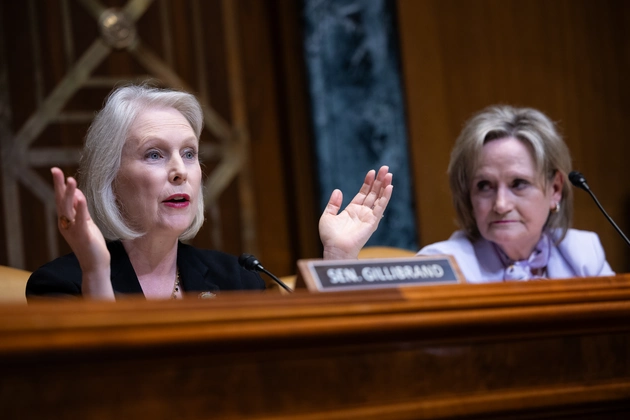
Democratic Sen. Kirsten Gillibrand of New York urged colleagues to support advancement despite pushback from progressive groups.
Criticizing Gillibrand, Sean Vitka of Demand Progress charged she is “pushing other Senate Democrats into supporting bad crypto industry policy that will enrich Trump’s family”.
Defending her approach, a Gillibrand aide replied the senator “would relish the chance to debate real ethics reforms on the floor.”
Banking associations also launched opposition, urging lawmakers to reject provisions affecting stablecoin interest rates.
Assessing party dynamics, Republican Sen. John Kennedy of Louisiana predicted most caucus members will vote to advance the measure.
Acknowledging political uncertainties, Kennedy noted, “My sense is that most — not all, but most — Republicans are going to vote to get on the bill.”
Looking across the chamber, Kennedy added, “But I don’t know what my Democratic friends are going to do.”