
Overview
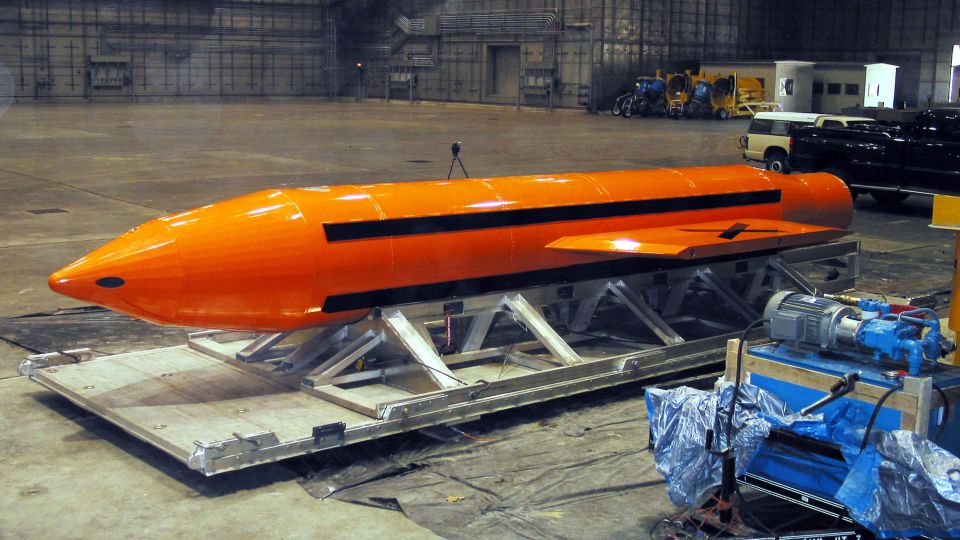
U.S. military planners have developed strike options that could include using the GBU-43/B Massive Ordnance Air Blast (MOAB) against Iranian energy infrastructure and suspected nuclear sites if President Donald Trump orders a resumption of combat operations, multiple U.S. officials told CNN. The proposal reflects efforts to provide the president with a range of high-impact options as he weighs how to conclude a deeply unpopular conflict.
Planned targets and stated objectives
Officials say the planning includes strikes aimed at degrading Iran’s energy network and hitting facilities believed to be linked to its nuclear program, including a site identified in reporting as Pickaxe Mountain. Some in the administration view such strikes as a possible way to deliver a symbolic or “definitive” message to domestic audiences, particularly as the midterm elections approach.
Effectiveness and operational limits
Military sources caution that the MOAB, while the largest non‑nuclear bomb in the U.S. arsenal, is an air‑blast weapon designed to clear large surface areas rather than penetrate deep underground. Analysts and officials say it would likely be ineffective at destroying deeply buried, granite‑reinforced facilities and could produce significant surface-level devastation.
- Blast characteristics: The MOAB detonates above the ground to create a wide blast radius, useful for collapsing soft‑surface tunnels or large above‑ground targets.
- Penetration limits: It is not designed as a deep‑penetrator and may not reach facilities fortified beneath rock.
- Civilian risk: Any use near populated areas would raise serious concerns about civilian casualties and humanitarian impact.
Psychological and political considerations
Officials said the weapon has a strong psychological effect—its sheer size and the spectacle of its blast can be used to send a message to an adversary or domestic audiences. Some White House advisers view such an option as a way to claim momentum without committing to a larger ground campaign, but others warn it would not necessarily deliver the strategic outcomes the administration seeks.
Find Your Qualified Amazon Prime Trial
Select your category below to unlock your specific free trial and discounted membership rate:
Prime for Young Adults
Included with Prime for Young Adults:
- Fast, Free Delivery: Unlimited Same-Day, One-Day, and Two-Day Delivery on millions of items.
- Unlimited Streaming: Prime Video with award-winning Originals, movies, and live sports.
- $0 Food Delivery Fees: Free Grubhub+ membership included (save ~$120/year).
Amazon Prime (Standard)
Included with Amazon Prime:
- Fast, Free Delivery: Unlimited Same-Day, One-Day, and Two-Day shipping options.
- Instant Entertainment: Award-winning TV shows, movies, music, and photo storage.
- Full Access to Alexa+: AI assistant for entertainment, deals, and smart home tracking.
Amazon Prime Access
- Full Prime Benefits: Free shipping, Prime Video, and exclusive shopping deals.
- No Long-Term Commitment: Cancel or pause membership anytime.
Precedent and context
The MOAB was developed in the early 2000s and first used in combat in 2017 against ISIS tunnel complexes in Afghanistan. That strike destroyed tunnels and materiel, and U.S. officials at the time said it demonstrated the weapon’s utility against certain fortified networks. Planners now say the munition’s historical role as a “psychological operations” tool informs its inclusion in the menu of options.
Broader military and political backdrop
Sources described ongoing debates within the administration about how to end the conflict without a costly ground invasion. The Pentagon continues to prepare a wide range of scenarios, and U.S. troop rotations in the Central Command area are under review. Officials emphasize that any employment of such weapons would carry risks, including escalation and Iranian retaliation.
A White House spokesperson declined to comment on specific operational plans, saying the president keeps all options on the table to prevent Iran from obtaining a nuclear weapon. A Pentagon statement reiterated that the department plans for a broad set of operational scenarios to execute presidential direction.
Implications
Using the MOAB against Iran would mark a visible escalation and carry both tactical limitations and political consequences. While it could serve as a dramatic demonstration of force, military and policy experts warn it is unlikely to eliminate deeply buried nuclear capabilities and could complicate diplomatic efforts or provoke further conflict.