
Investors are moving capital away from volatile artificial intelligence stocks and toward more stable, predictable market names amid a recent tech sector downturn.
The Nasdaq 100 has fallen 14% over the past month, reaching its lowest point since April, as major tech firms like Nvidia and Intel experienced significant declines.
In response to this volatility, capital has flowed into defensive assets such as Walmart, Berkshire Hathaway, Chipotle, Clorox, Charter, and Tyson Foods.
Market participants are prioritizing companies with strong balance sheets and reliable consumer demand, according to “Russ Mould, AJ Bell’s investment director.”
Mould noted that investors are shifting toward stodgier areas where “demand is less sensitive to the economic cycle and vagaries of consumer sentiment.”
The recent sell-off has been driven by concerns regarding overinvestment in AI infrastructure, potential regulatory oversight of data centers, and persistent inflation.
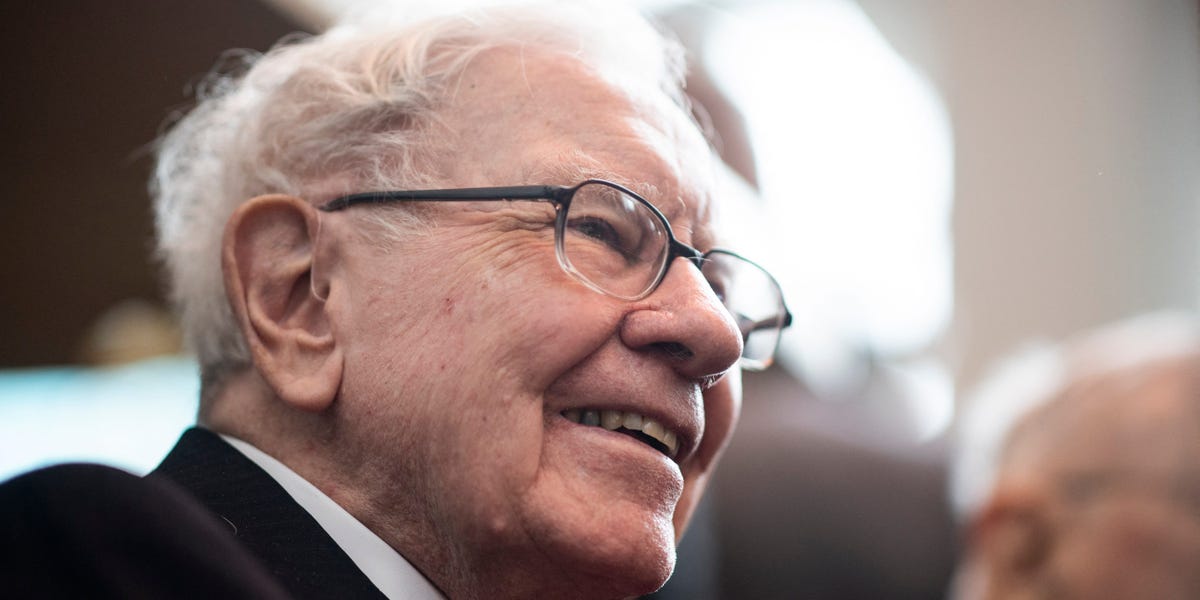
Berkshire Hathaway has emerged as a primary haven for investors due to its significant cash reserves and diversified operations.
The conglomerate held approximately $357 billion in cash and liquid assets at the end of September, which represents nearly 30% of its total market capitalization.
Retail giant Walmart has seen shares rally 23% during the same period, as the company is viewed as resilient to broader economic downturns.
Clorox and Tyson Foods have also experienced gains of 21% and 15% respectively, as investors bet on the continued necessity of household cleaning supplies and food staples.
Chipotle shares have climbed 29% over the past month, while Charter Communications has seen a 19% increase in value.
These defensive rotations reflect a broader market trend where investors favor companies that can maintain steady performance even if the economy weakens.
However, analysts caution that this rotation out of the technology sector could be temporary, as some tech stocks showed signs of rebounding during recent premarket trading sessions.
The long-term impact of this shift remains uncertain as market participants continue to balance the risks of high-growth tech against the security of established consumer brands.