
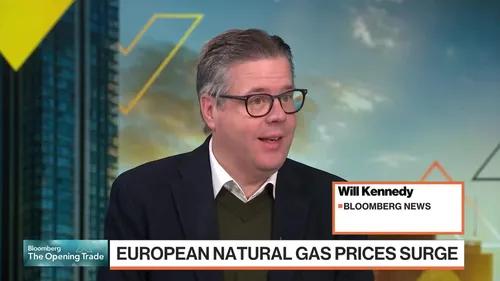
European natural gas prices increased sharply following a shift in weather forecasts that predicted significantly colder temperatures.
The rising costs have placed additional pressure on regional natural gas inventories that are already facing significant strain.
These supply concerns are being exacerbated by ongoing export disruptions linked to the war in the Middle East.
Global gas supplies remain tight as the region heads into a period of heightened demand for heating and industrial energy needs.
Norway, which serves as Europe’s largest pipeline gas supplier, is also experiencing operational difficulties at several of its key facilities.
The country continues to report ongoing outages that limit the amount of fuel available for transmission to the broader European market.
These supply constraints have created a volatile environment for energy traders and utility companies across the continent.
Market analysts are closely monitoring the situation as the cold snap threatens to deplete reserves faster than previously anticipated by industry experts.
The situation was detailed in a recent report by “Bloomberg’s Will Kennedy”.
The current combination of geopolitical instability and infrastructure challenges has left the energy market particularly vulnerable to sudden weather shifts.
While inventories were built up in anticipation of winter, the unexpected severity of the temperature drop has prompted concerns regarding the adequacy of current stock levels.
Energy officials are now evaluating the potential impact of these sustained outages on long-term supply security for the coming months.
Market observers noted that the intersection of these factors creates a difficult outlook for consumers and businesses alike.
The ongoing conflict in the Middle East continues to cast a shadow over global energy logistics, complicating efforts to diversify supply routes.
As temperatures continue to fall across Europe, the focus remains on whether pipeline capacity can be restored to meet the rising demand.
The situation remains fluid, according to “Bloomberg”.