
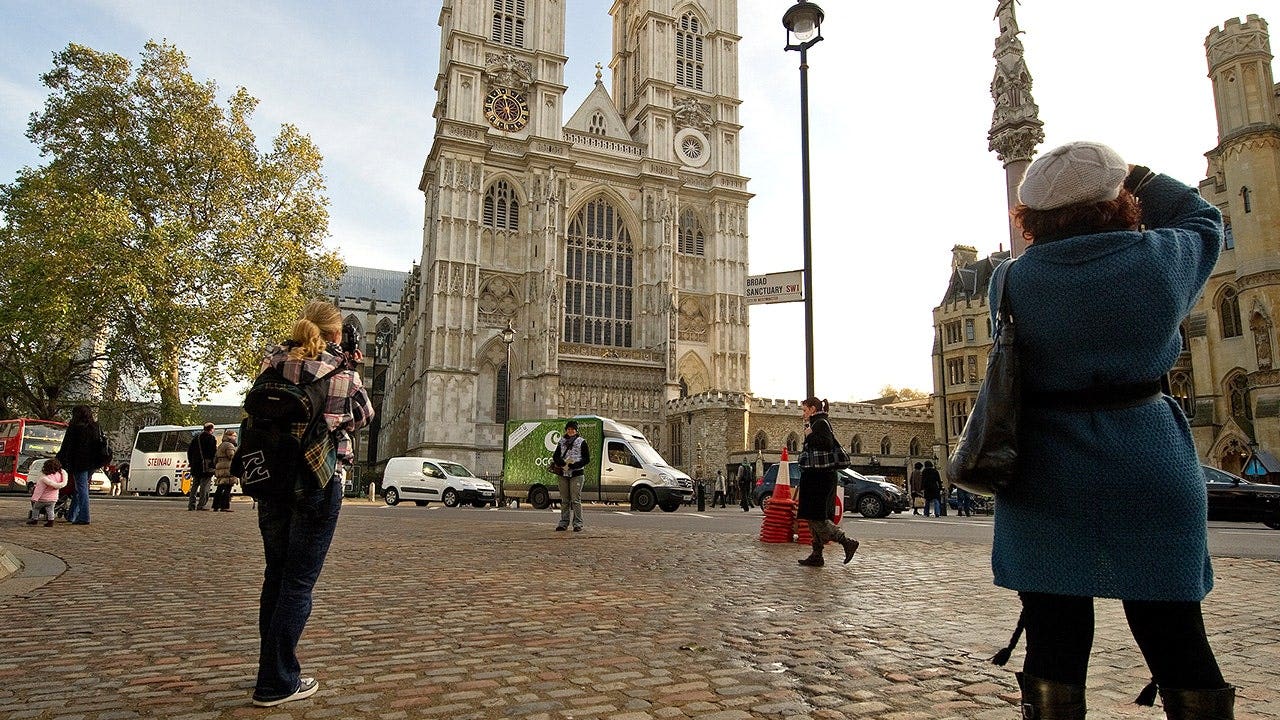
A long-standing mystery surrounding an unidentified skeleton buried at Westminster Abbey may finally be resolved after 150 years.
The research focuses on remains discovered in 1869 within a Roman limestone sarcophagus that originally bore an inscription for a wealthy 4th-century Briton named Valerius Amandinus, according to “news agency SWNS.”
Although the casket was intended for the Roman figure, the remains inside do not match that identity.
Archaeologists previously noted a distinctive early medieval Latin cross sculpted on the lid, a symbol that puzzled experts because it did not align with the Roman-era origins of the casket.
Warwick Rodwell, a consultant archaeologist at the Abbey, led the recent study published in the Journal of the British Archaeological Association.
Rodwell conducted his work following a 2025 excavation of the site required for the construction of the new King Charles III Sacristy.
The findings suggest the skeleton may belong to one of two high-ranking medieval monks who died during the 11th century.
The candidates are Aelfwig, who died around 1020, and his successor, Wulnoth, who died in 1049.
Carbon dating placed the bones between 987 and 1052 A.D., which aligns with the lifetimes of both individuals.
Regarding the potential identity of the deceased, Rodwell noted the chronological fit for either candidate, “as SWNS noted.”
Rodwell explained the historical context of the appointment, stating, “We do not know the date of birth of either, but either would fit equally well if we assume the Abbot was in his early twenties when the appointment was made and close to 50 when he died,” “reported SWNS.”
The man was likely between 35 and 49 years old and stood 5 feet, 9 inches tall.
Researchers also discovered white lime residue inside the stone casket, which outlined where a wooden coffin had once rested before decaying.
The sarcophagus is currently on display at the Queen’s Diamond Jubilee Galleries within Westminster Abbey.