
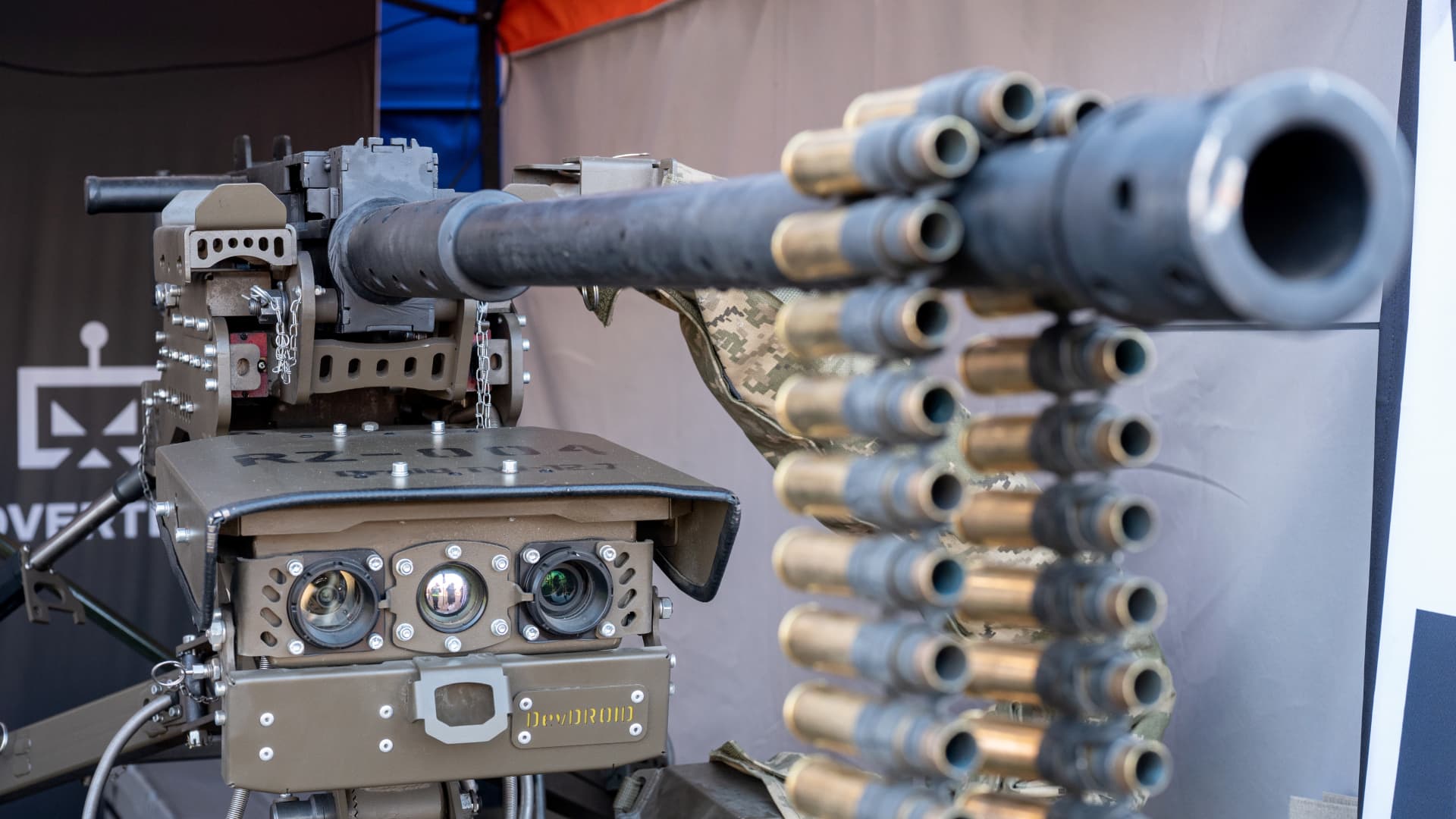
Approximately 100 nations have reached an agreement to pursue international talks aimed at establishing legally binding regulations for autonomous weapons systems.
The proposed timeline targets the year 2028 for the implementation of these international standards regarding what are commonly referred to as killer robots.
The initiative seeks to create a framework that governs the development and deployment of lethal autonomous technologies on a global scale.
The push for these regulations follows mounting concerns over the future of warfare and the potential for machines to make life-or-death decisions without human intervention.
Despite the widespread support for the measure, the path toward a unified treaty remains complex due to significant geopolitical divisions.
Several major arms-producing nations, including the United States, Russia and Israel, have formally opposed the push for legally binding rules.
These countries have expressed reservations about the feasibility and impact of such restrictions on their respective national security interests.
The opposition from these key military powers highlights the diplomatic challenges that organizers will face during the upcoming series of United Nations meetings.
The consensus among the participating nations reflects a growing urgency to address the ethical and legal implications posed by the rapid advancement of military robotics.
Proponents of the treaty argue that international law must evolve to prevent the proliferation of weapons that operate outside of human control.
The debate is expected to intensify as the 2028 deadline approaches, with diplomats working to reconcile the conflicting positions of the participating states.
The current state of the negotiations was highlighted in a report by “CNBC”.
The international community will continue to monitor these developments as they attempt to navigate the intersection of technological innovation and global security policy.
Whether a consensus can be reached remains uncertain given the strategic priorities of the nations currently standing against the proposed regulations.
The upcoming diplomatic efforts will serve as a critical test for international cooperation regarding the future of artificial intelligence in military applications.