
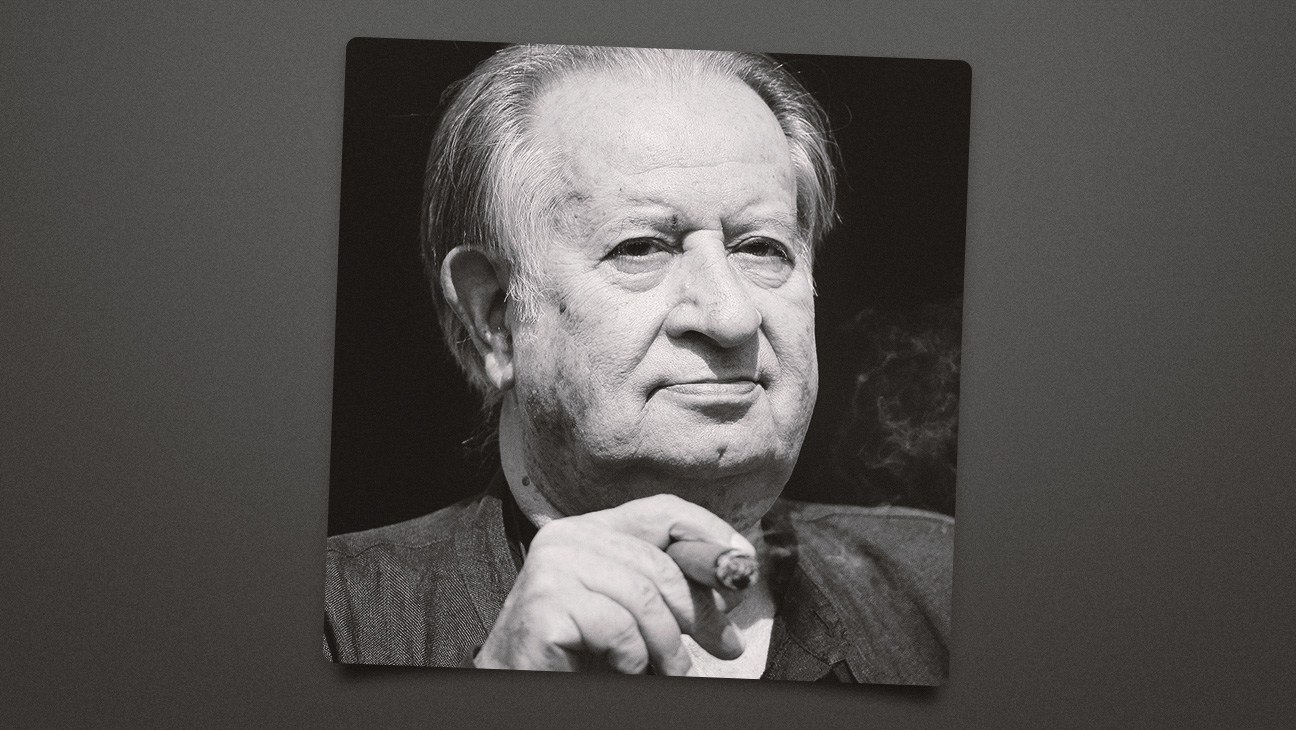
Tinto Brass, the celebrated and controversial Italian filmmaker, has passed away at the age of 93. Known for his distinctive visual style and transgressive storytelling, he leaves behind a complex cinematic legacy.
The director gained international notoriety for his work on the 1979 historical epic “Caligula,” a project that remains one of the most polarizing films in the history of global cinema due to its extreme sexual content and graphic violence.
Born in Milan in 1933, Brass began his career as a film critic before transitioning into directing during the 1960s. His early work was deeply influenced by the French New Wave, characterized by experimental editing and a rejection of traditional narrative structures. This avant-garde approach eventually evolved into the erotic realism that defined his later career.
Throughout the 1970s and 1980s, Brass became a central figure in European art-house cinema. His films often explored themes of human desire, political corruption, and the constraints of societal norms. While his work frequently faced censorship and harsh criticism from conservative groups, he maintained a dedicated following among cinephiles who admired his uncompromising artistic vision.
The production of his most famous film was famously fraught with conflict. The project, which featured an ensemble cast including Malcolm McDowell, Helen Mirren, and Peter O’Toole, suffered from significant creative disputes between Brass, the producers, and the screenwriter. Despite these internal tensions, the film achieved a cult status that persists decades after its initial release.
Beyond his provocative features, Brass was a prolific creator who directed dozens of projects across various genres. His ability to blend high-concept artistic ambition with visceral, often shocking imagery made him a unique, if divisive, voice in the industry. Colleagues and film historians have noted that his influence on the depiction of sexuality in film remains a subject of intense academic and public debate.
The film industry mourns the loss of a director who never shied away from controversy. Whether lauded for his technical boldness or criticized for his thematic choices, Tinto Brass remained a singular figure in Italian film history until the very end of his life.