
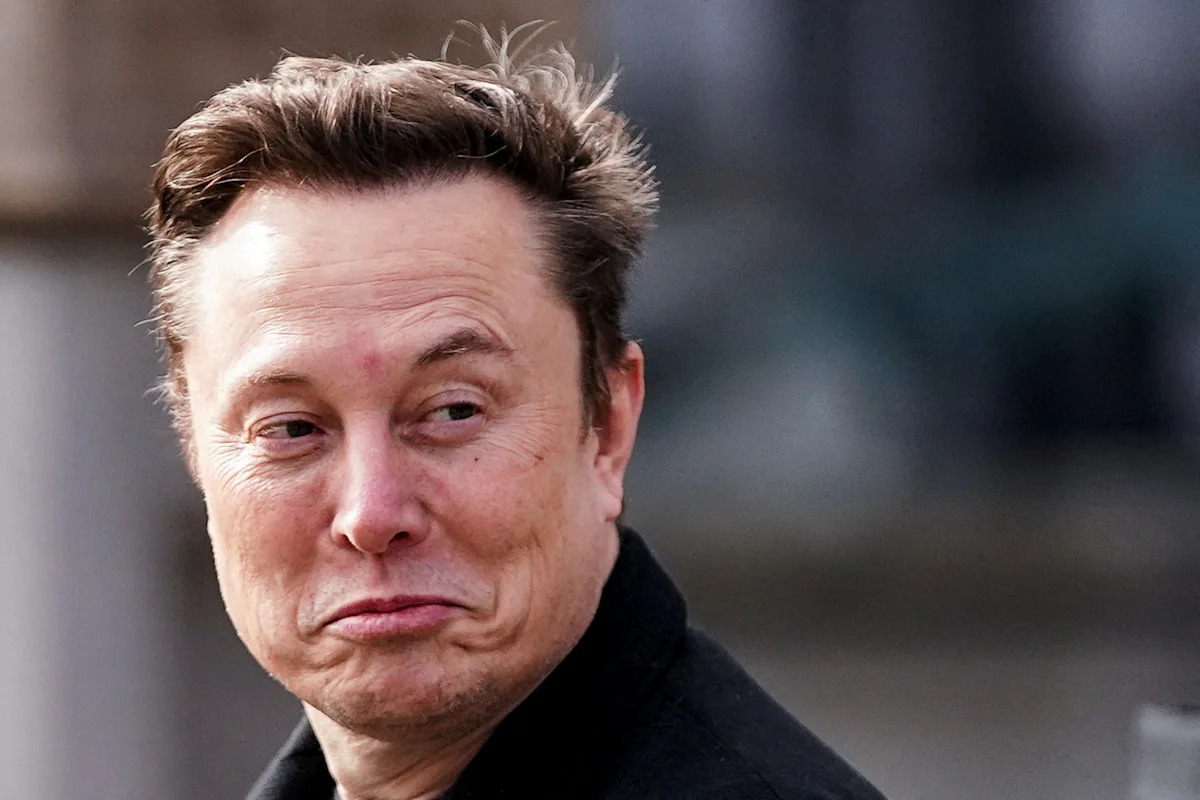
The political landscape in Texas is undergoing a significant transformation following recent election results that saw Democrats gain ground in key areas. For Elon Musk, whose companies Tesla and SpaceX maintain a massive presence in the state, this shift introduces a new level of uncertainty regarding future regulatory environments and state-level cooperation. The billionaire entrepreneur has long benefited from a friendly relationship with Texas leadership, but the changing legislative makeup could complicate his operations.
As “Musk’s Tesla and SpaceX face a new political reality after Democrats flip Texas”, analysts are closely watching how the state government will handle tax incentives and infrastructure development. The companies have invested billions into facilities such as the Gigafactory Texas and the Starbase launch site. Historically, Republican dominance in the state legislature provided a predictable path for industrial expansion and deregulation. A more divided government may now introduce rigorous oversight and different policy priorities that could challenge Musk’s current business model.
Political experts suggest that while the shift does not immediately threaten existing contracts or facilities, it forces a change in lobbying strategies. Musk, who has been vocal about his political leanings, may find himself navigating a legislature that is no longer monolithic in its support for his ventures. The transition comes at a time when both Tesla and SpaceX are navigating complex federal regulations alongside their state-level responsibilities. Industry observers note that the incoming legislative session will be a litmus test for how the state handles major corporate interests when the political balance of power fluctuates.
The broader implications for the Texas tech sector remain to be seen as lawmakers prepare to convene. While many remain optimistic about the state’s economic resilience, the changing political tides suggest that the era of unfettered expansion may face increased scrutiny. Whether this leads to gridlock or a new form of bipartisan industrial policy remains the primary question for stakeholders. Both Tesla and SpaceX have yet to issue formal statements regarding how they intend to adapt to the new legislative composition.