
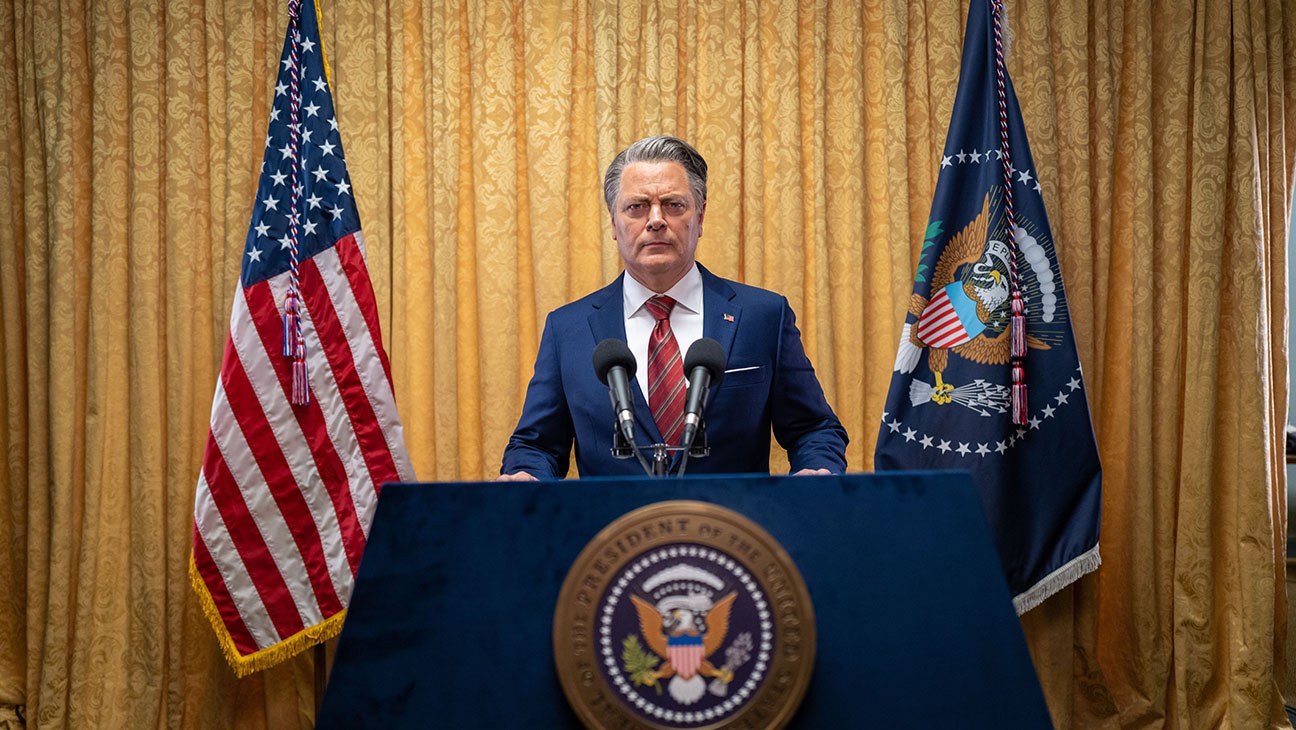
In the wake of recent political developments regarding electoral shifts in Texas, Alex Garland’s dystopian film Civil War has experienced a surge in renewed public discourse. The movie, which depicts a fractured United States embroiled in a violent internal conflict, was initially met with polarized reactions upon its theatrical release earlier this year. However, recent discussions on social media platforms have sparked a wave of reassessment among viewers and critics alike.
Many users online have begun to suggest that the film’s narrative serves as a more prescient warning than previously acknowledged. The discourse has reached a point where some commentators have explicitly stated that “You Owe Him an Apology” in reference to Garland’s artistic vision. This sentiment reflects a broader trend of audiences revisiting works of speculative fiction to find parallels with current real-world events.
Critics of the film had originally argued that the premise lacked sufficient political context or that it failed to ground its conflict in recognizable ideological divides. Yet, as the domestic political climate continues to evolve, the film’s focus on the breakdown of national unity is being interpreted by some as a reflection of deep-seated societal anxieties. The director has previously maintained that the film was intended to be an open-ended exploration of political polarization rather than a specific commentary on contemporary American elections.
The recent online activity highlights the ongoing tension between artistic intent and audience reception in a highly polarized environment. While the film remains a work of fiction, its ability to generate continued conversation suggests that its themes continue to resonate with the public imagination. Observers note that this type of retrospective appreciation is common for films that tackle controversial or sensitive subject matter. Whether this renewed interest will lead to a broader critical reevaluation of the project remains to be seen. For now, the conversation continues to thrive as viewers weigh the film’s depiction of a divided nation against the backdrop of current political realities and the evolving state of the country’s electoral map.