
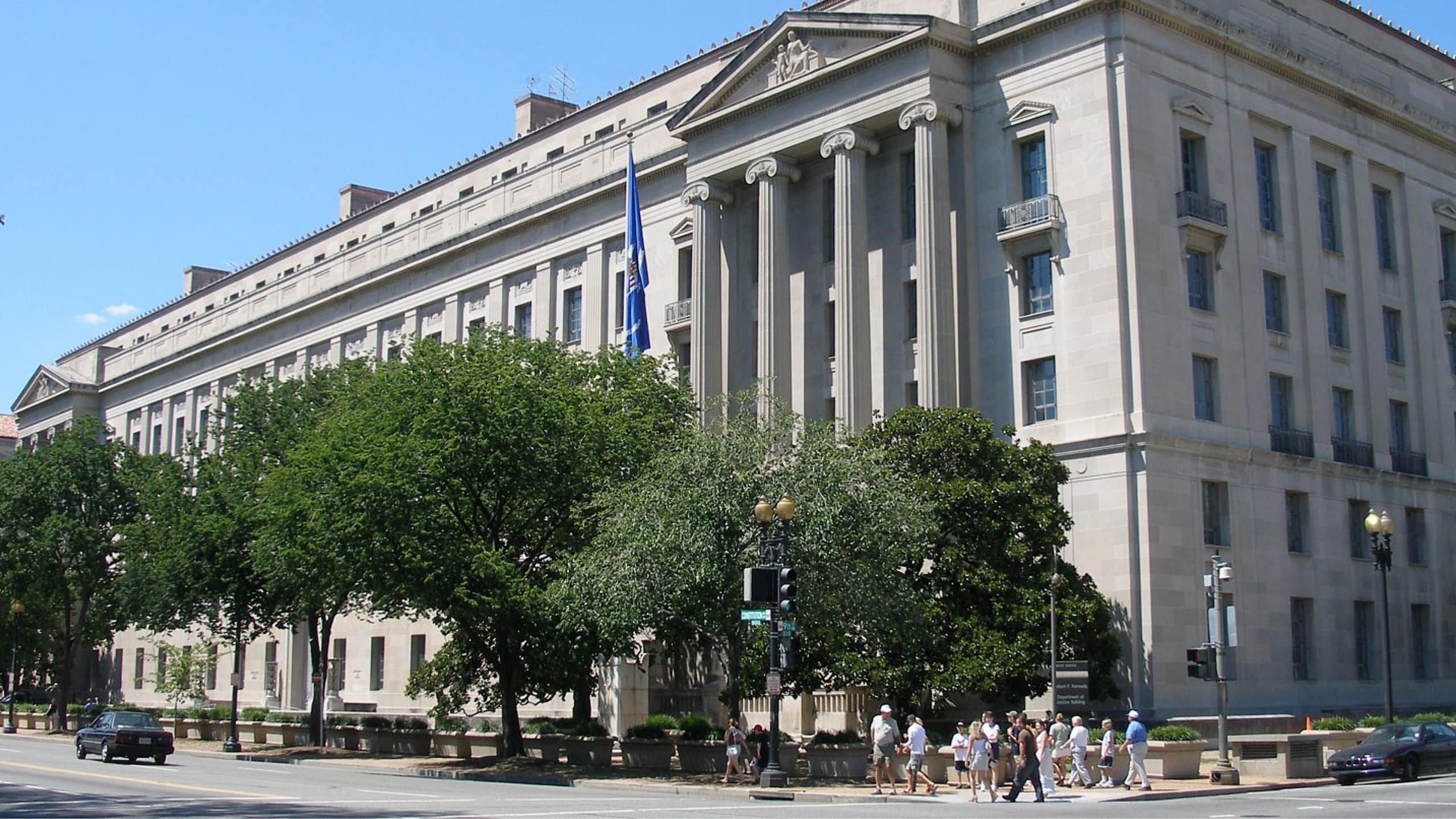
The Justice Department and the State of South Carolina have finalized a legal agreement to ensure that military members and U.S. citizens living abroad can participate in the upcoming special federal primary election.
This move comes as the state prepares for a sudden shift in its political calendar following the vacancy of a long-held Senate seat.
According to the Justice Department, the agreement specifically targets protections for those covered under the Uniformed and Overseas Citizens Absentee Voting Act, commonly known as UOCAVA.
These voters often face logistical hurdles when elections are called on short notice, particularly when serving in remote locations or living in different time zones.
The need for this specialized oversight arose after the death of Senator Lindsey Graham, which triggered a special primary election to determine the Republican nominee for the 2026 general election.
Per the established schedule, the primary is set for Aug. 11, 2026, with a subsequent runoff primary scheduled for Aug. 25, 2026, if no candidate secures a majority in the first round.
Assistant Attorney General Harmeet K. Dhillon of the Justice Department’s Civil Rights Division emphasized the importance of this collaborative effort to maintain the integrity of the franchise for those in uniform.
While discussing the motivation behind the federal intervention, Dhillon said, “This agreement reflects the Justice Department’s commitment to protecting the right to vote for members of our armed forces deployed around the world, their families, and U.S. citizens overseas, and ensuring that these voters are afforded a meaningful opportunity to vote in all federal elections”.
The Justice Department reported that South Carolina officials were proactive in addressing potential violations of federal law once the special election was announced.
The agreement mandates that the South Carolina State Election Commission and its executive director take several specific steps to prevent disenfranchisement.
One of the primary requirements of the settlement involves the timeline for distributing ballots.
By Aug. 1, 2026, South Carolina must send UOCAVA ballots to all eligible voters who have a standing request on file for elections through December 2027.
This ensures that even those stationed halfway across the globe have a window to receive, mark, and return their choices.
Furthermore, the agreement introduces flexibility in how these ballots are handled.
Recognizing the delays inherent in international mail, the Justice Department noted that ballots will include instructions for secure return via electronic transmission.
Voters may also choose to use express mail or traditional post, provided the ballots are received by 7 p.m. EDT on Aug. 11, 2026.
To streamline the process for the potential runoff on Aug. 25, the state will implement instant runoff voting on the initial ballots.
This allows overseas voters to rank their preferences for a potential second round at the same time they vote in the primary, eliminating the need for a second mailing that would likely fail to meet the tight two-week turnaround.
Public outreach is another cornerstone of the agreement.
By July 24, 2026, South Carolina is required to contact eligible UOCAVA voters who do not have a standing request.
These individuals will be informed of the special election deadlines and offered the option to receive their ballots via email.
The Justice Department stated that the South Carolina State Election Commission must also publicize these deadlines widely to ensure all potential voters are aware of their rights.
This includes highlighting the availability of the Federal Write-In Absentee Ballot, which serves as a backup for voters who do not receive their official state ballot in time.
The Civil Rights Division indicated that South Carolina worked immediately with federal authorities once the potential for a UOCAVA violation became apparent due to the condensed election cycle.
This cooperation was cited as a key factor in reaching a resolution that avoids prolonged litigation while safeguarding the constitutional rights of the state’s military and overseas population.