
Last updated February 26, 2026
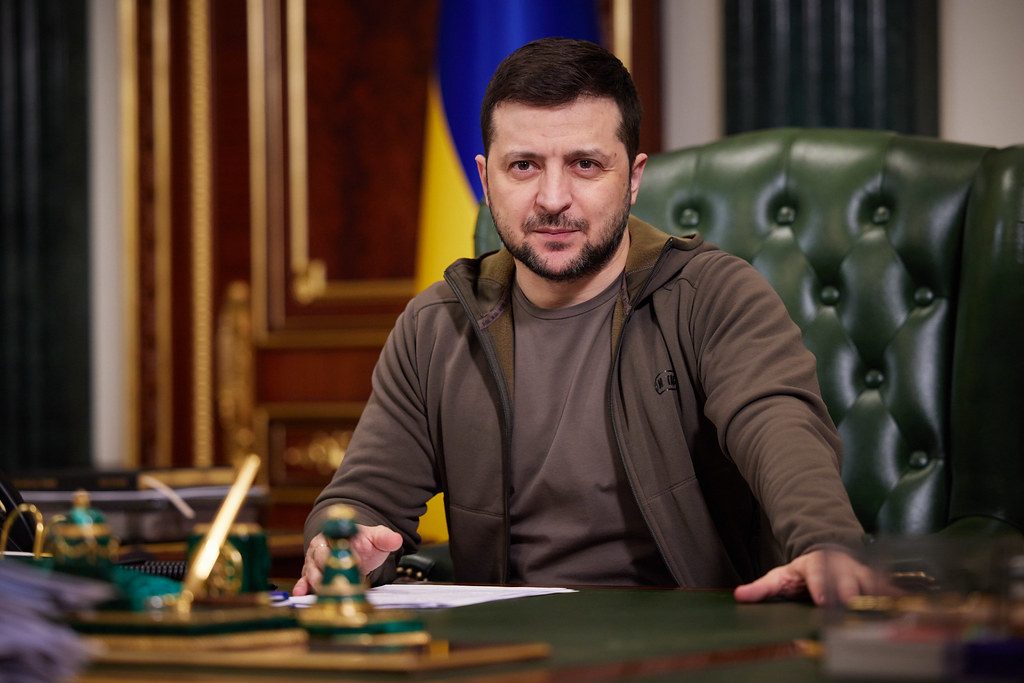
KYIV, Ukraine — President Volodymyr Zelenskiy warned Wednesday that restoring the Druzhba oil pipeline is “not that fast” of a process, rebuffing pressure from the European Union and accusations of a “political blockade” from Hungary. Shipments to Hungary and Slovakia have been suspended since Jan. 27 following Russian strikes on pipeline equipment in western Ukraine.
The big picture: The outage is exacerbating regional energy tensions as oil prices hover near a six-month high, while Kyiv and Budapest trade blame over the cause of the prolonged shutdown.
- Repair delays: Zelenskiy noted that Russian strikes specifically targeted the infrastructure linking the Odesa port to the Druzhba line, adding that Ukrainian workers have already been injured while attempting to maintain the network.
- EU pressure: During a visit to Kyiv, European Commission President Ursula von der Leyen urged Ukraine to accelerate repairs, a request Zelenskiy countered by highlighting the ongoing physical danger to technical crews.
- Hungarian allegations: Prime Minister Viktor Orban labeled the suspension “purely political,” claiming Ukraine is using an oil blockade to pressure Hungary and Slovakia.
By the numbers: The conflict has shifted from rhetoric to a direct assault on Ukraine’s broader energy capabilities according to reports from Reuters and Naftogaz.
- 60 drones: The number of Russian UAVs that targeted Naftogaz facilities in the Kharkiv and Chernihiv regions over the last two days, according to the national energy company.
- 50 percent: Approximate loss of Ukraine’s gas production capacity following intensified Russian strikes on power plants and gas infrastructure in recent months.
The friction point: Ukraine’s government has formally rejected what it calls “ultimatums” from specific EU member states.
- Official stance: In a letter to EU officials reported by Evropeiska Pravda, Kyiv stated that Russia “bears full responsibility” for the interruption due to its strikes on critical infrastructure.
- Retaliation threats: Hungary and Slovakia, which provide emergency electricity to Ukraine, have threatened to halt those exports if the oil flow is not restored.
- A “truce” needed: Zelenskiy suggested that if Hungary wants the oil to flow, it should appeal to Moscow for an “energy truce” rather than blaming Kyiv.
Between the lines: While Ukraine has halted Russian gas transit as of last year, it has historically continued oil transport despite the war; however, the current physical destruction and political rift with Orban—who maintains ties with Moscow—is creating an unprecedented bottleneck.