
Last updated February 25, 2026
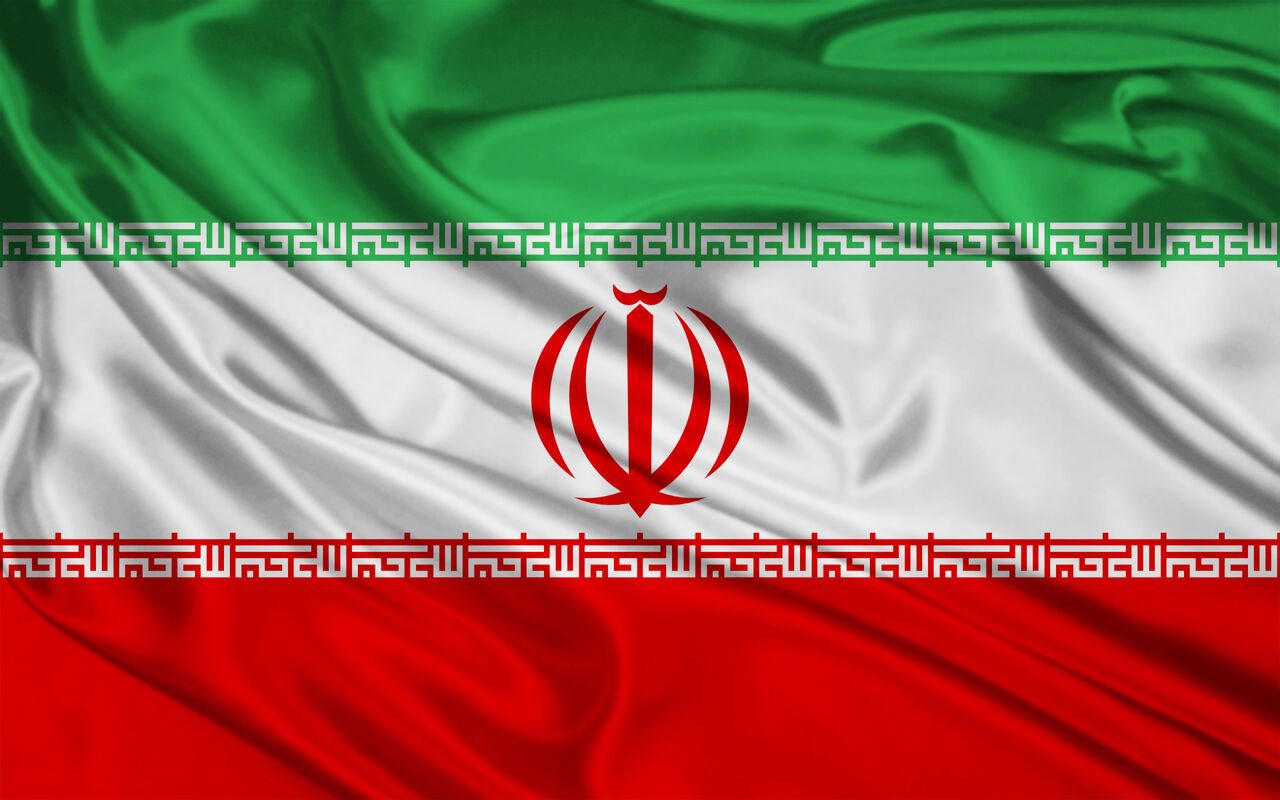
WASHINGTON — Hours after President Donald Trump used his State of the Union address to outline the potential for military strikes against Tehran, the U.S. Treasury Department moved to further isolate the Iranian regime. On Wednesday, federal officials unveiled a sweeping sanctions package targeting the infrastructure behind Iran’s ballistic missile programs and its “shadow fleet” of oil tankers.
The Big Picture: The Treasury’s Office of Foreign Assets Control (OFAC) blacklisted more than 30 individuals, entities, and vessels. According to a Treasury statement, these targets are central to Iran’s ability to fund and manufacture advanced conventional weapons and long-range missiles.
Why It Matters: The timing of the announcement reinforces a “maximum pressure” strategy as tensions reach a fever pitch. In his address to Congress on Tuesday night, President Trump accused Iran of restarting its nuclear ambitions and warned that he would not allow “the world’s number one sponsor of terror” to obtain a nuclear weapon.
The Details: The new sanctions hit several specific operational layers, including:
- The Shadow Fleet: Multiple tankers were designated for enabling the illicit sale of Iranian petroleum to international markets, a primary revenue stream for the regime.
- Procurement Networks: OFAC targeted organizations used by the Islamic Revolutionary Guard Corps (IRGC) and the Ministry of Defense to secure machinery and chemical precursors needed for missile production.
- Global Reach: The designated entities include a web of front companies designed to bypass existing international trade restrictions.
Between The Lines: While the President emphasized his preference for a diplomatic “deal” during his speech, the simultaneous buildup of U.S. naval forces in the Gulf and these fresh economic penalties suggest the administration is preparing for a scenario where talks in Geneva fail.