
- Article
- |
- Business
- |
- Russia
- |
- Technology
Last updated December 18, 2025
Add Next Stamina on Google
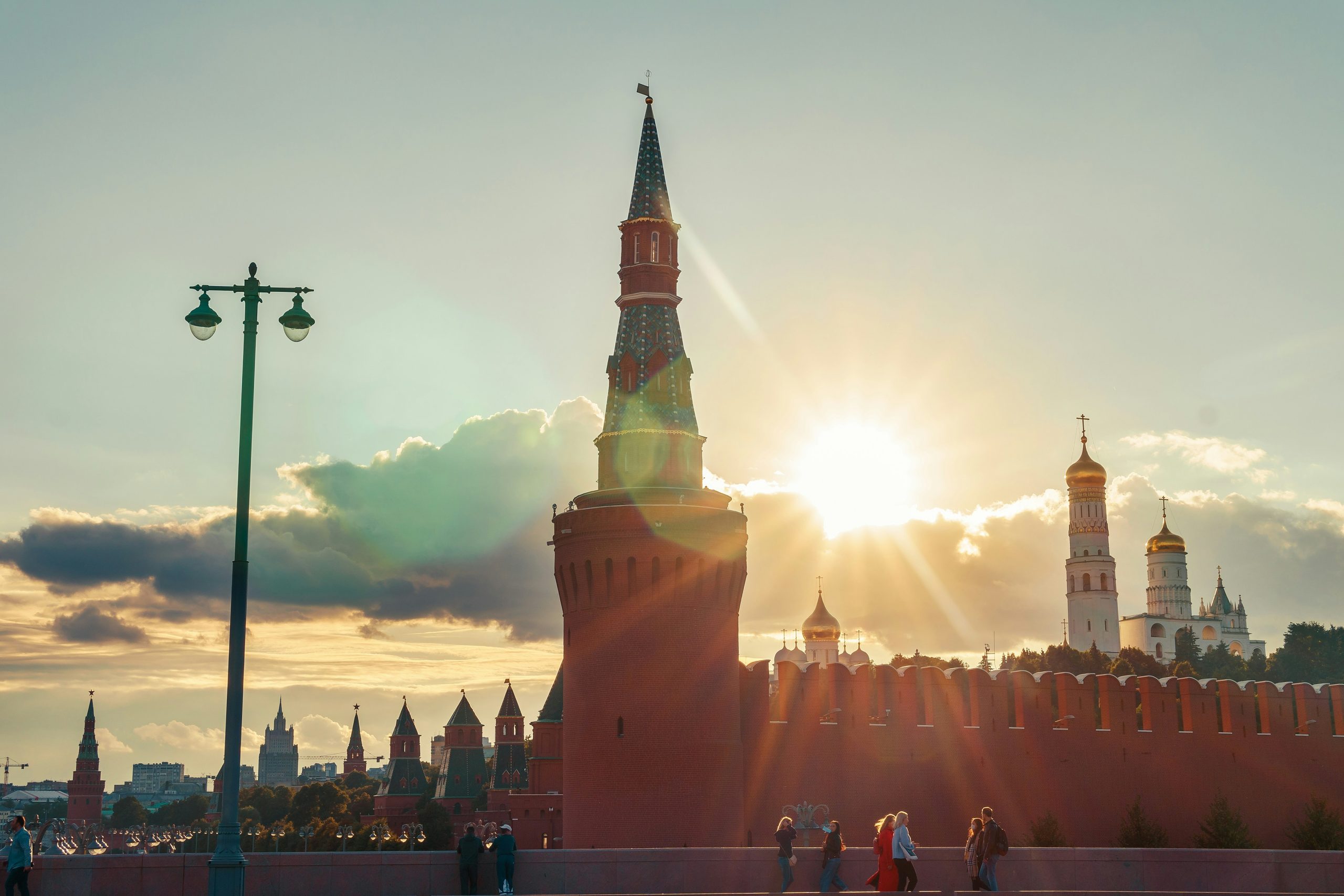
MOSCOW — The Russian government’s recent move to block the popular gaming platform Roblox has sparked an unusual mix of protests, parental concerns, and debates over the effectiveness of online censorship. The decision by Roskomnadzor, Russia’s communications watchdog, came on December 3, citing the presence of “inappropriate content,” alleged extremist and LGBT propaganda, and potential dangers to children.
In Russia, where access to major social media platforms including Facebook, Instagram, Snapchat, WhatsApp, and YouTube is heavily restricted, the Roblox ban underscores how authorities aim to shape digital spaces and control cultural narratives. Yet the measure has triggered resistance, even among the youngest internet users.
In Tomsk, Siberia, a small protest drew attention to the issue, with banners declaring “Hands off Roblox” and warning of a “digital Iron Curtain.” For many children, Roblox offered more than games; it was a gateway to global connections and online communities. According to Reuters, fourteen-year-old Polina Gerina described the platform as ‘so much fun,’ while her younger sisters, Darya and Yekaterina, said they had also been active users.
Roblox, in response, told Reuters it is prepared to adjust communication features and content moderation processes to meet Russian legal requirements, emphasizing ongoing dialogue with authorities to restore access. The company stresses that its platform has built-in safeguards aimed at creating a secure, age-appropriate environment for children.
Despite official warnings, many young Russians continue to use VPNs to bypass blocks, a practice that authorities have attempted to curtail by banning hundreds of VPN services this year. Critics of the ban argue that such measures can backfire. Yekaterina Mizulina, director of the Safe Internet League, warned that repeated circumvention of restrictions could foster disregard for government rules and even drive some children to consider leaving Russia.
Parents remain concerned but divided. Maria Gerina, mother of three Roblox users, said she would prefer regulated monitoring over a total ban. “I do not think a full ban will resolve the problem — if there is no Roblox, then there will be something else,” she said, Reuters reported.
The controversy highlights the ongoing tension in Russia between efforts to control online spaces and the desire of younger generations to connect with the wider digital world.
Recent Updates
-
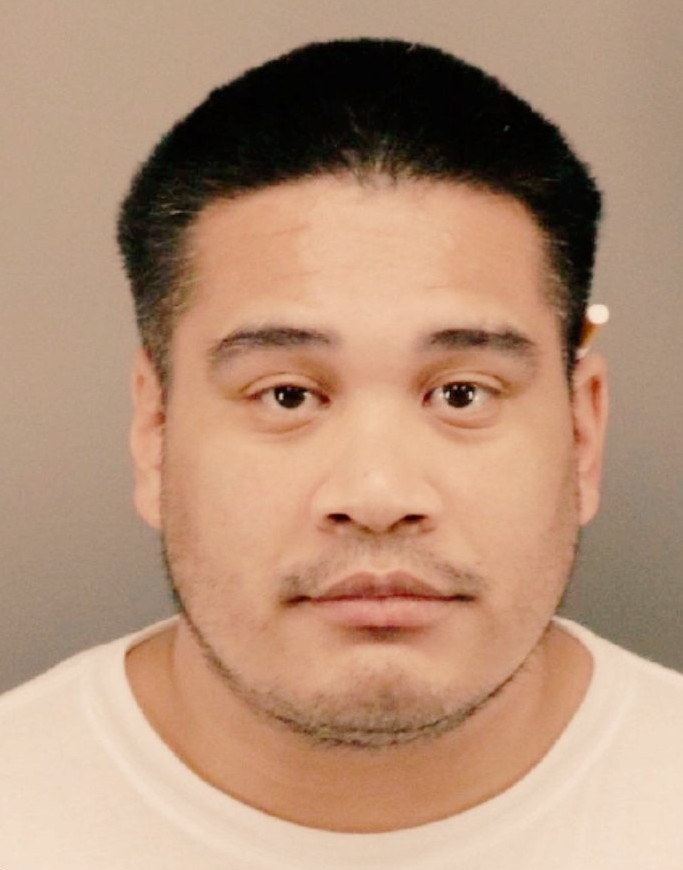
Santa Clara County detectives wanted San Jose man David Huerta for sexual battery and registration violations
By Editorial Desk • April 16, 2026 -
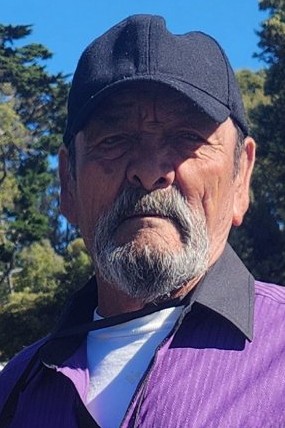
At-risk Latino senior Murillo-Zamora located after missing from Fruitvale Avenue, Oakland in California
By Editorial Desk • April 16, 2026 -
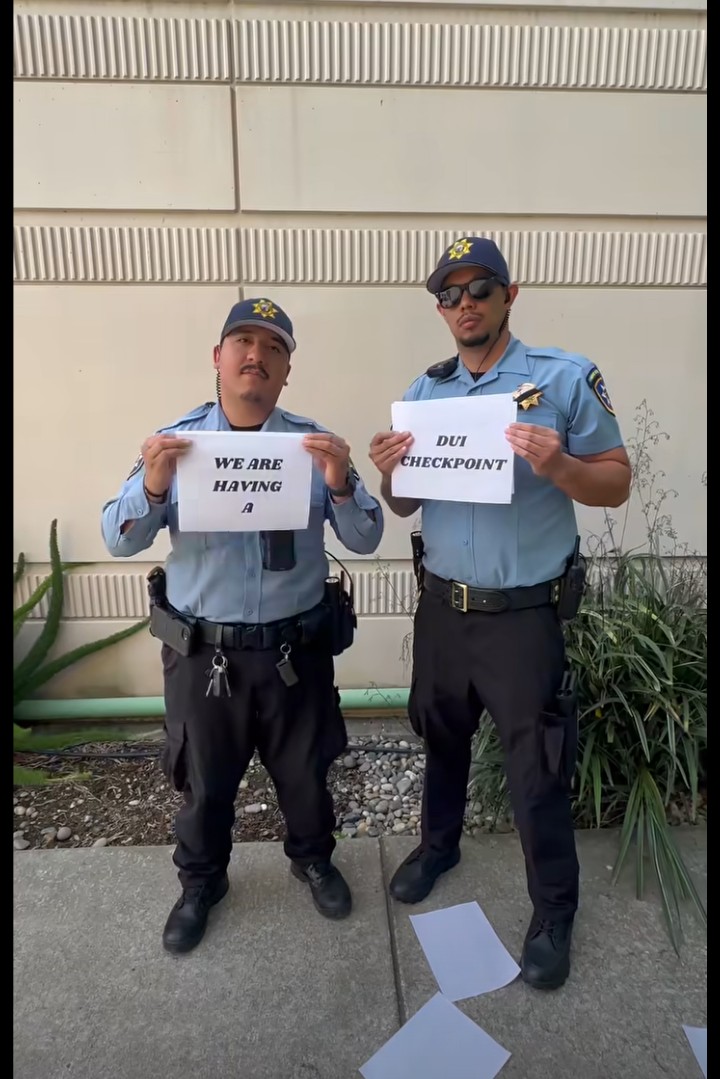
Redwood City, California Police Department announce April 18 DUI checkpoint to reduce impaired driving incidents
By Editorial Desk • April 15, 2026 -
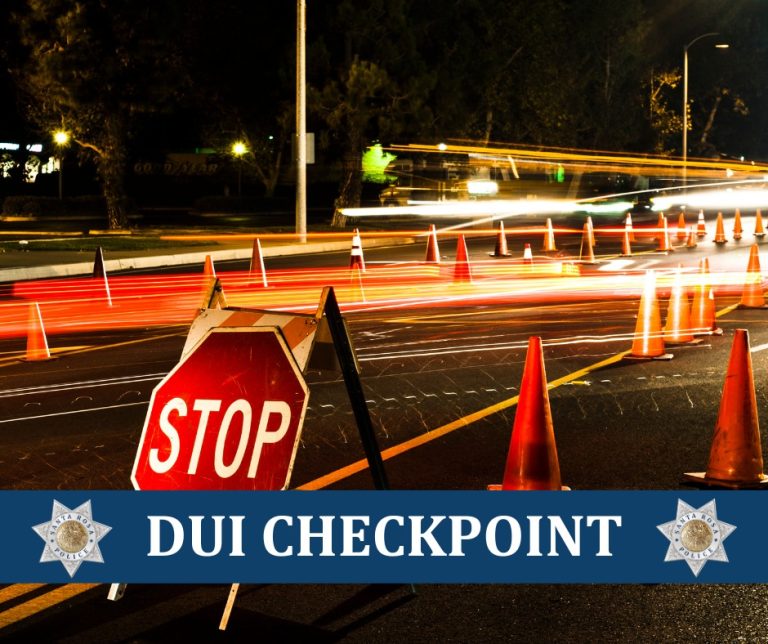
Santa Rosa, California Police Department schedules DUI checkpoint for Friday evening to improve road safety
By Editorial Desk • April 15, 2026 -

During patrol on Guadalupe River Bike Trail – San Jose, California police seize firearm and narcotics
By Editorial Desk • April 15, 2026 -
Following fatal Mission Street hit-and-run – San Francisco police arrest 30-year-old man for homicide
By Editorial Desk • April 15, 2026 -
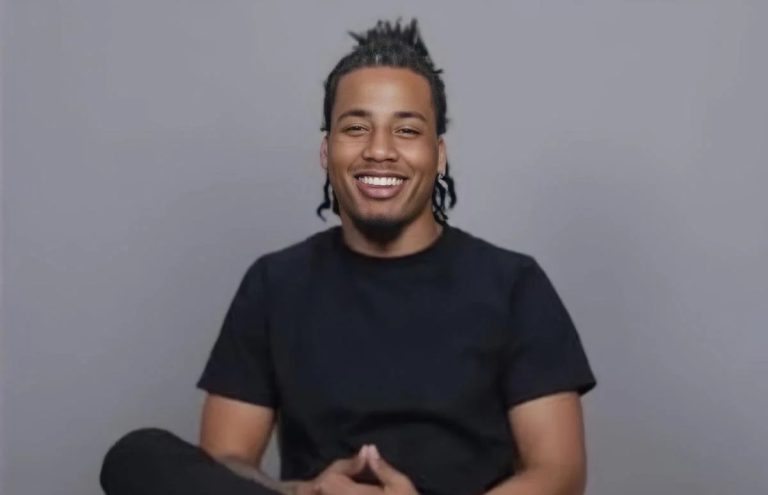
Berkeley, California police seek public assistance locating missing 28-year-old man Hadari Darden
By Editorial Desk • April 15, 2026 -
Missing at-risk 15-year-old African American teenager Zahra Muwwakkil found safe in Berkeley, California
By Editorial Desk • April 15, 2026 -
Family offers $10,000 reward for information on missing Oakland, California 52-year-old woman Amy Hillyard
By Editorial Desk • April 15, 2026 -
San Mateo, California police arrest Quinn Johns for physical attack on 83-year-old man on Laurel Avenue
By Editorial Desk • April 15, 2026