
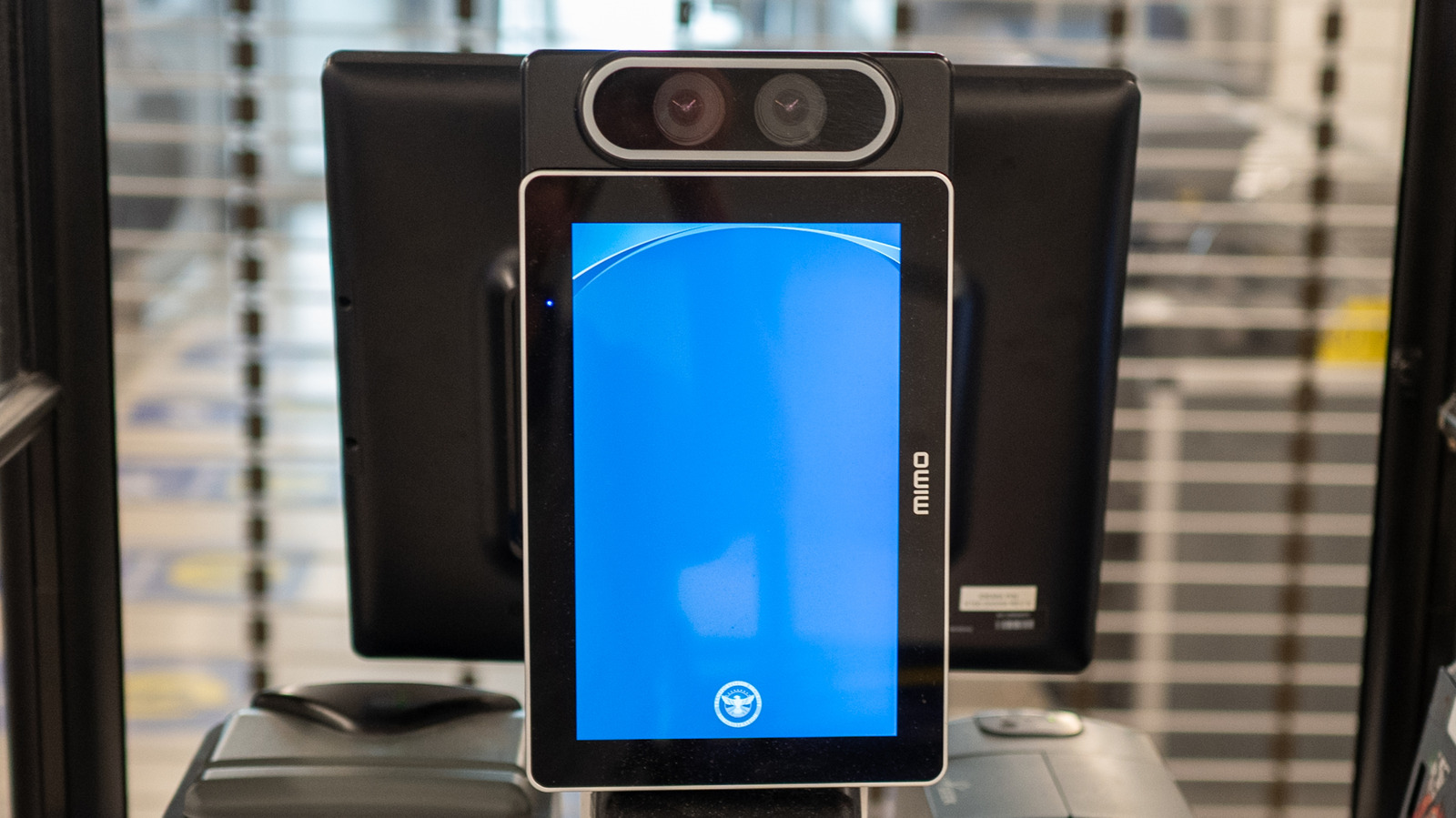
Travelers passing through airport security checkpoints may feel that facial recognition technology is an unavoidable part of the modern screening process.
However, federal transportation officials maintain that the use of these biometric scans remains optional for the flying public.
Check Your Amazon Prime Eligibility (Without Leaving This Page)
Select your category below to unlock your specific free trial and discounted membership rate:
Prime for Young Adults
Included with Prime for Young Adults:
- Fast, Free Delivery: Unlimited Same-Day, One-Day, and Two-Day Delivery on millions of items.
- Unlimited Streaming: Prime Video with award-winning Originals, movies, and live sports.
- $0 Food Delivery Fees: Free Grubhub+ membership included (save ~$120/year).
Amazon Prime (Standard)
Included with Amazon Prime:
- Fast, Free Delivery: Unlimited Same-Day, One-Day, and Two-Day shipping options.
- Instant Entertainment: Award-winning TV shows, movies, music, and photo storage.
- Full Access to Alexa+: AI assistant for entertainment, deals, and smart home tracking.
Amazon Prime Access
- Full Prime Benefits: Free shipping, Prime Video, and exclusive shopping deals.
- No Long-Term Commitment: Cancel or pause membership anytime.
The agency clarifies that passengers are not required to participate in the digital identification process if they prefer to use traditional verification methods.
According to “Engadget”, the reality of the situation is that a facial scan at the airport might seem inevitable, but that is far from the case.
Individuals who wish to avoid the technology may express their desire to decline the scan to the security officer on duty.
The process of opting out is designed to be straightforward for those who value their privacy or have concerns regarding biometric data collection.
By choosing to bypass the automated system, travelers can proceed through the checkpoint using standard document verification procedures instead.
The agency notes that opting out of the facial recognition scan is a protected choice for passengers.
Most travelers who choose to exercise this right will find that the process remains efficient and largely unaffected by their decision.
As noted in the report by “Engadget”, you can opt out, almost certainly without any major repercussions.
This assurance serves to inform the public that refusing the scan does not lead to significant delays or administrative hurdles at the gate.
While technology continues to integrate into travel infrastructure, the ability to decline remains a standard operational procedure.
Travelers are encouraged to remain aware of their rights as they navigate security checkpoints in airports across the country.
Understanding these policies helps ensure that passengers feel comfortable and informed while complying with necessary security regulations.
Ultimately, the decision to participate in facial recognition remains entirely at the discretion of the individual passenger at the time of screening.