
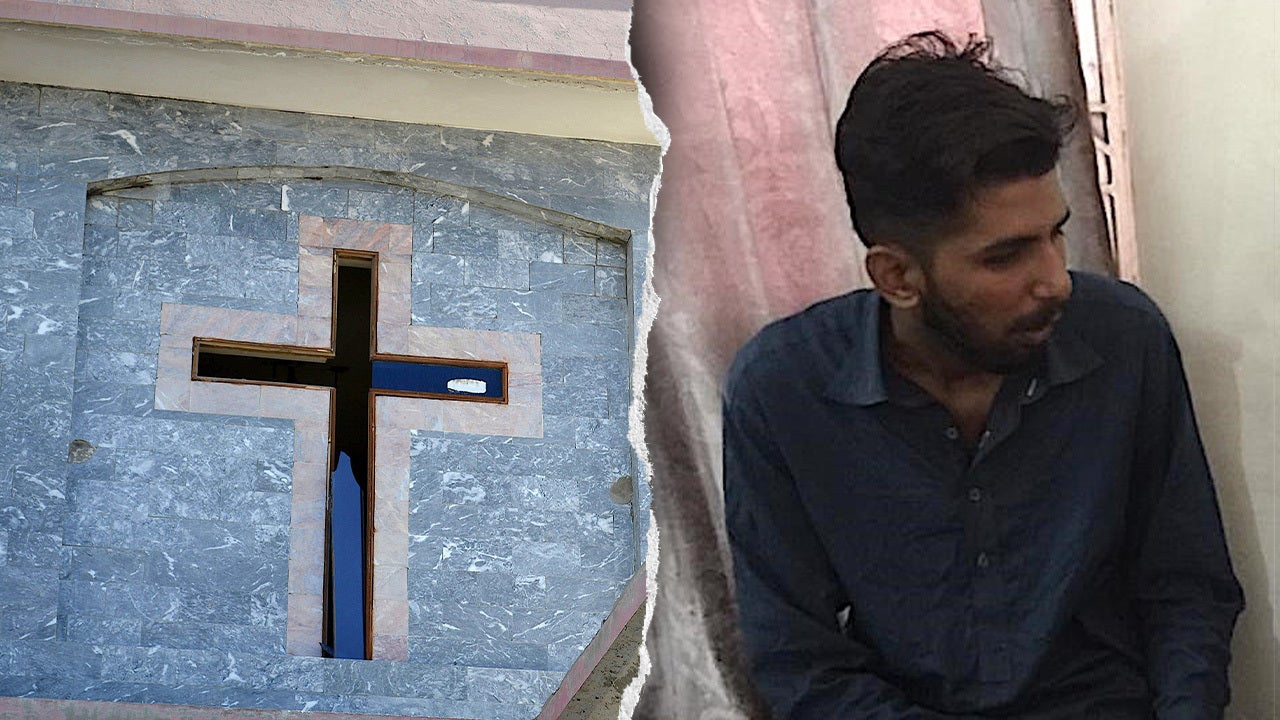
Following a recent Pakistani Supreme Court ruling upholding the conviction and death sentence of a Christian man accused of blasphemy, a U.S.-based advocacy group is urging action to stop another Christian’s death sentence for the same crime.
The latest case of concern is that of 16-year-old Shahzad Masih, who was working as a hospital janitor in July 2017 when his Muslim colleague engaged him on the topic of religion, according to the American Center for Law and Justice.
Check Your Amazon Prime Eligibility (Without Leaving This Page)
Select your category below to unlock your specific free trial and discounted membership rate:
Prime for Young Adults
Included with Prime for Young Adults:
- Fast, Free Delivery: Unlimited Same-Day, One-Day, and Two-Day Delivery on millions of items.
- Unlimited Streaming: Prime Video with award-winning Originals, movies, and live sports.
- $0 Food Delivery Fees: Free Grubhub+ membership included (save ~$120/year).
Amazon Prime (Standard)
Included with Amazon Prime:
- Fast, Free Delivery: Unlimited Same-Day, One-Day, and Two-Day shipping options.
- Instant Entertainment: Award-winning TV shows, movies, music, and photo storage.
- Full Access to Alexa+: AI assistant for entertainment, deals, and smart home tracking.
Amazon Prime Access
- Full Prime Benefits: Free shipping, Prime Video, and exclusive shopping deals.
- No Long-Term Commitment: Cancel or pause membership anytime.
CeCe Heil, senior counsel and international legal director for the ACLJ, said that Masih, who was illiterate, could not answer the question about who he had as a leader in Christianity.
When Masih’s colleague explained that Muslims recognize the Prophet Muhammad, Masih replied that his father “has a friend who, every time he hears the name Muhammad,” curses, according to Heil.
In response to Masih’s claim, his colleague gathered a huge mob at a cell phone store, called Masih down, and had him arrested immediately, Heil claimed.
The Organization for Legal Aid, an ACLJ affiliate in Pakistan, has supported Masih’s efforts to fight the charges, but Masih was tried as an adult and sentenced to death by hanging on Nov. 22, 2022.
His appeal is still pending with the Lahore High Court.
In a press release, the ACLJ urged Pakistani authorities to uphold fundamental human rights, overturn the unjust conviction and bring Shahzad home to his family.
Christians account for around 1.9% of the population of some 250 million people in the Muslim-majority nation, according to Open Doors, a Christian advocacy group.
In its World Watch List on the situation of religious freedom for Christians in the world, Pakistan was ranked 8th by the group.
Masih’s case is just one demonstration of what the U.S. Commission on International Religious Freedom warned is a troubling trajectory for Pakistan’s religious freedom in its annual report.
The report notes Pakistan’s strict enforcement of blasphemy laws and increasing vigilante attacks and mob violence targeting religious minorities.
The independent, bipartisan federal commission is urging the U.S. government to redesignate Pakistan as a country of particular concern for engaging in systematic, ongoing and egregious violations of religious freedom.
The State Department currently designates Pakistan a CPC, though the designation has not been updated since 2023.
A State Department spokesperson told Fox News Digital that the United States is concerned about religious freedom in Pakistan and throughout the world and regularly discusses the concern with Pakistan.
The United Nations has also repeatedly raised concerns about Pakistan’s blasphemy cases.
In September, several United Nations officials addressed a letter to the Government of Pakistan outlining concerns about several blasphemy cases before the Pakistani judiciary.
In Masih’s case, U.N. experts raised concerns that the court rejected Masih’s birth certificate as evidence that he was a minor at the time of the alleged offense and instead used an ossification test to justify trying him as an adult.
They also noted that even under the existing law, the evidence against Masih would not constitute blasphemy.
The letter also described how a local fundamentalist group has repeatedly threatened that if the court did not punish Shahzad Masih, they would kill him.
The Government of Pakistan responded to the officials’ letter, stating that the referenced matters fall within the judicial domain and the executive is constitutionally prohibited from intervening in individual cases.
Concerns about Masih and other prisoners’ fates spiked after the Pakistani Supreme Court upheld the death sentence for another Pakistani Christian, Qaisar Ayub, in October.
Ayub has been mired in the legal system since 2014, when he was arrested for allegedly publishing a WordPress site containing content that insulted the Prophet Muhammad.
Heil told Fox News Digital that for Masih, every scheduled hearing keeps getting postponed.
With the recent Supreme Court ruling upholding Qaiser’s conviction and death sentence, Heil expressed concern that the plan is to draw out appeals forever, ensuring the process is part of the punishment.