
Robert Zemeckis directed a 1997 film adaptation of Carl Sagan’s novel “Contact”, which has been recognized as a standout science fiction achievement.
The motion picture stars Jodie Foster as Dr. Ellie Arroway, delivering a performance focused on a scientist seeking proof.
Check Your Amazon Prime Eligibility (Without Leaving This Page)
Select your category below to unlock your specific free trial and discounted membership rate:
Prime for Young Adults
Included with Prime for Young Adults:
- Fast, Free Delivery: Unlimited Same-Day, One-Day, and Two-Day Delivery on millions of items.
- Unlimited Streaming: Prime Video with award-winning Originals, movies, and live sports.
- $0 Food Delivery Fees: Free Grubhub+ membership included (save ~$120/year).
Amazon Prime (Standard)
Included with Amazon Prime:
- Fast, Free Delivery: Unlimited Same-Day, One-Day, and Two-Day shipping options.
- Instant Entertainment: Award-winning TV shows, movies, music, and photo storage.
- Full Access to Alexa+: AI assistant for entertainment, deals, and smart home tracking.
Amazon Prime Access
- Full Prime Benefits: Free shipping, Prime Video, and exclusive shopping deals.
- No Long-Term Commitment: Cancel or pause membership anytime.
The cinematic project also features supporting performances from Matthew McConaughey, Tom Skerritt, and James Woods, alongside a musical score by Alan Silvestri.
Instead of relying on traditional action tropes or explosions, the cinematic work establishes its tone through a poetic cosmic perspective.
The feature begins with a breathtaking CGI single-take sequence that runs for just under three minutes.
This opening shot starts with a close-up of Earth from orbit before pulling backward through the solar system and past the outer planets.
Concurrently, an audio track captures decades of human history through radio and television broadcasts drifting backward through time.
As the camera pulls further into the cosmos past distant galaxies, the broadcast eventually fades into total silence.
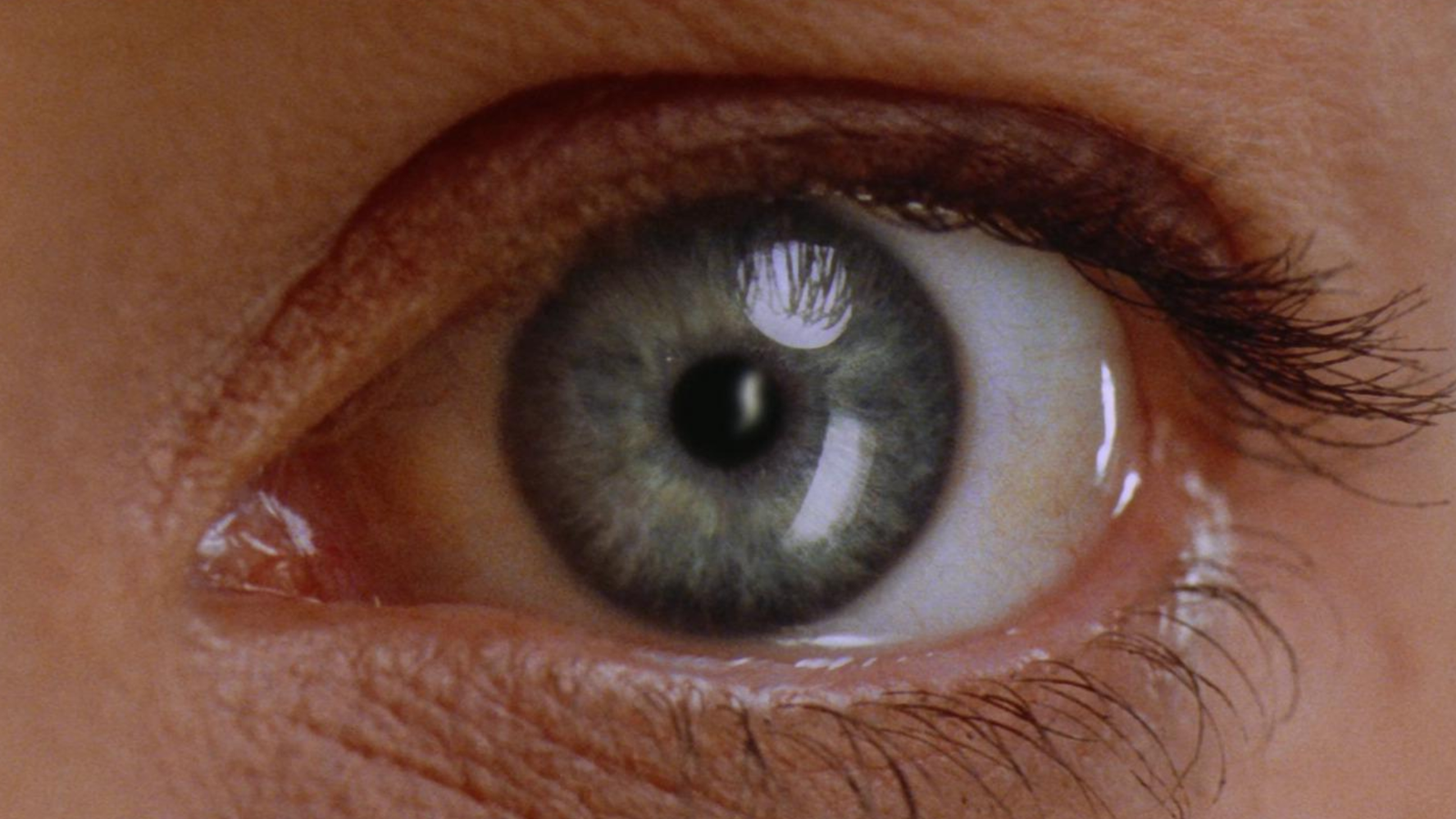
The sequence ultimately reveals that the swirling cosmic light is reflected inside the eye of young Ellie Arroway while she uses a ham radio.
This visual storytelling effectively connects the infinite scale of space to the character’s relentless obsession with reaching out into the universe.
When the motion picture debuted in the summer of 1997, it was an earnest cerebral drama disguised as a big-budget studio release.
Audiences initially expected a traditional alien invasion thriller rather than a philosophical story built around debates over faith and human grief.
Nearly three decades later, this refusal of the obvious is cited as the reason the project has aged so well without relying on dated tropes.
The production remains a poignant and intellectually substantial entry in the science fiction genre.