
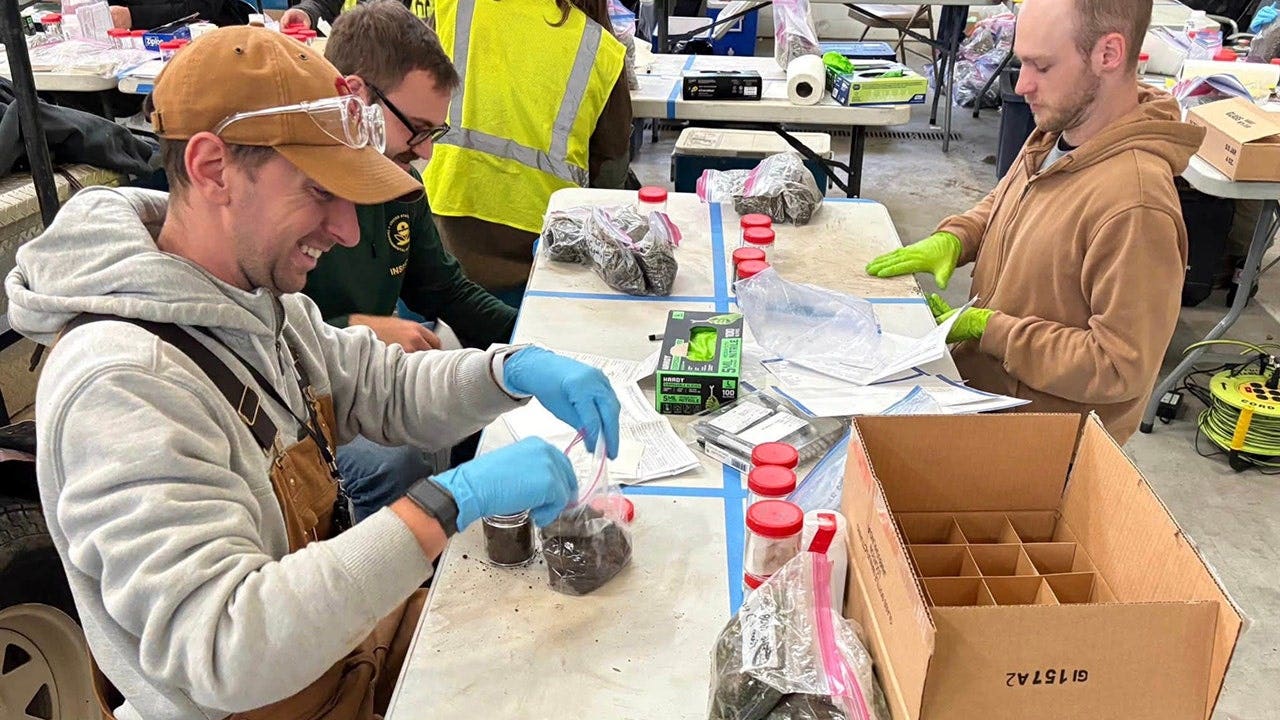
Initial lab tests found no rise in lead contamination in southeastern Iowa drinking water and lakes following the Army controlled detonation of 5 tons of unstable lead azide, federal environmental officials announced Saturday.
The Environmental Protection Agency said results from 38 public drinking water samples and 26 recreational water samples collected after the blast at the Iowa Army Ammunition Plant in Middletown showed no lead tied to the detonation.
Check Your Amazon Prime Eligibility (Without Leaving This Page)
Select your category below to unlock your specific free trial and discounted membership rate:
Prime for Young Adults
Included with Prime for Young Adults:
- Fast, Free Delivery: Unlimited Same-Day, One-Day, and Two-Day Delivery on millions of items.
- Unlimited Streaming: Prime Video with award-winning Originals, movies, and live sports.
- $0 Food Delivery Fees: Free Grubhub+ membership included (save ~$120/year).
Amazon Prime (Standard)
Included with Amazon Prime:
- Fast, Free Delivery: Unlimited Same-Day, One-Day, and Two-Day shipping options.
- Instant Entertainment: Award-winning TV shows, movies, music, and photo storage.
- Full Access to Alexa+: AI assistant for entertainment, deals, and smart home tracking.
Amazon Prime Access
- Full Prime Benefits: Free shipping, Prime Video, and exclusive shopping deals.
- No Long-Term Commitment: Cancel or pause membership anytime.
Still, the agency has yet to release results for the vast majority of the 1,616 post-detonation samples collected across air, tap water, soil and dust, fueling skepticism from environmentalists who warn the testing is far from complete.
The drinking water tests included both untreated intake water and finished treated water, while the recreational samples came from lakes, ponds and other non-drinking sources, according to the EPA.
The agency also reported zero airborne lead readings for 30 consecutive hours following the blast.
Muscatine Mayor Brad Bark called the initial test results a reassurance for communities in his city about 50 miles north of Middletown.
“Our priority remains the health and safety of our residents,” Brad Bark told The Associated Press in an email statement.
Bark added that officials will continue to follow recommendations and stay in close coordination with the EPA, the Army, and state and county partners.
Agriculture Secretary Brooke Rollins said on X that the U.S. Department of Agriculture remains on the ground in Iowa to support farmers, ranchers and rural communities alongside state and federal partners.
Not everyone is convinced the area is in the clear following the munitions disposal operation.
Wally Taylor, legal chair for the Sierra Club Iowa Chapter, told The Associated Press he was not confident in the early results and maintained it is still too early to make any firm conclusions.
“The lead had to go somewhere,” Wally Taylor said, adding that lead could still have spread near the explosion site.
Taylor added that he is waiting on test results from the University of Iowa and other research groups.
The Sierra Club chapter was among the environmental groups that petitioned to pause a permit clearing the way for the Wednesday detonation.
The Army has said detonating the aging stockpile immediately was the safest option because the material was degrading and risked an uncontrolled explosion as colder weather arrived.
Additional lab results are expected over the coming days and are being posted publicly at epa.gov/IowaData as they are validated.