
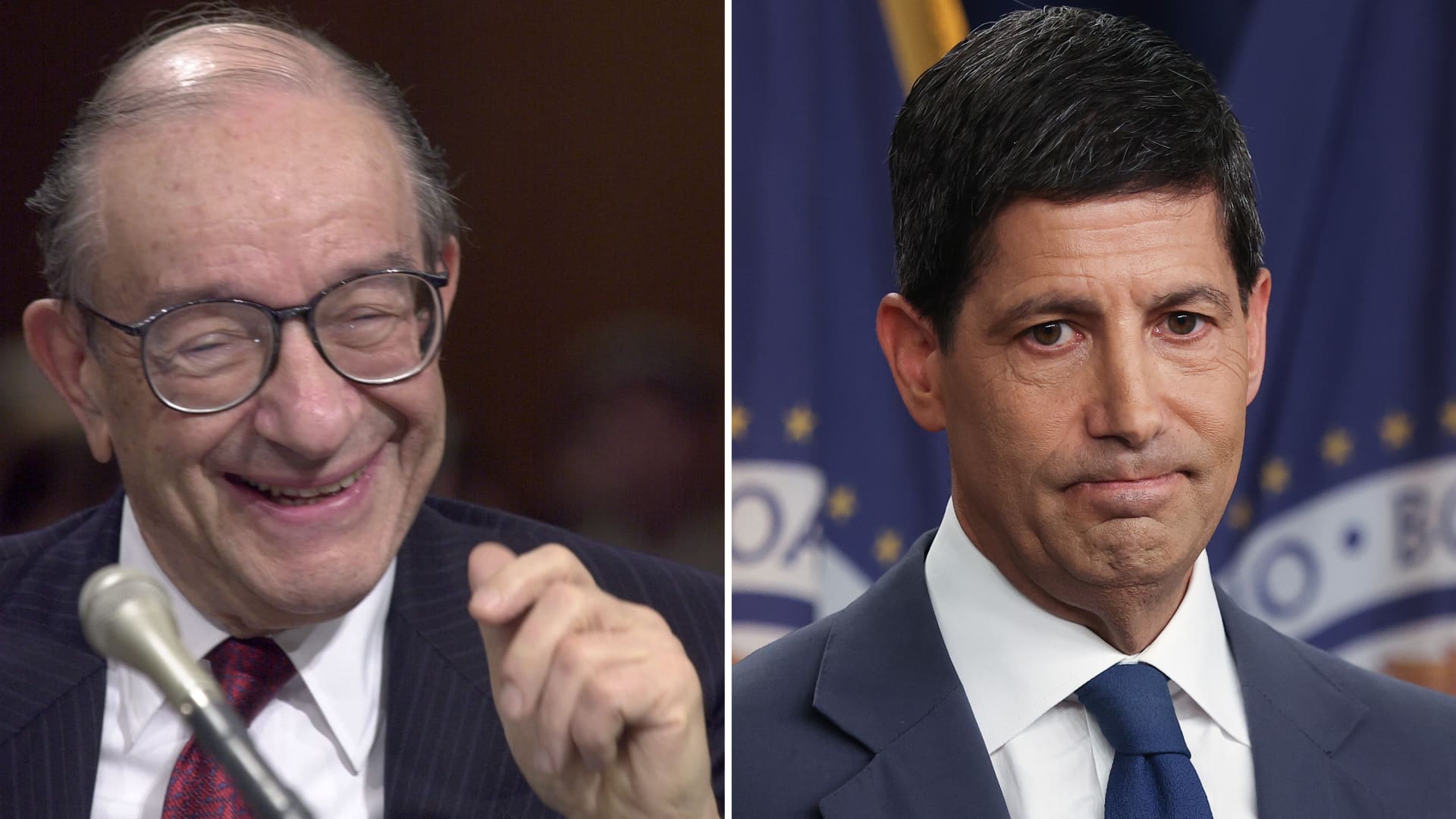
Economic observers are currently debating whether Kevin Warsh should adopt a monetary policy strategy similar to that once employed by former Federal Reserve Chair Alan Greenspan.
Greenspan famously maintained steady interest rates during the internet boom because he held a strong belief in the transformative productivity potential of the new technology.
Check Your Amazon Prime Eligibility (Without Leaving This Page)
Select your category below to unlock your specific free trial and discounted membership rate:
Prime for Young Adults
Included with Prime for Young Adults:
- Fast, Free Delivery: Unlimited Same-Day, One-Day, and Two-Day Delivery on millions of items.
- Unlimited Streaming: Prime Video with award-winning Originals, movies, and live sports.
- $0 Food Delivery Fees: Free Grubhub+ membership included (save ~$120/year).
Amazon Prime (Standard)
Included with Amazon Prime:
- Fast, Free Delivery: Unlimited Same-Day, One-Day, and Two-Day shipping options.
- Instant Entertainment: Award-winning TV shows, movies, music, and photo storage.
- Full Access to Alexa+: AI assistant for entertainment, deals, and smart home tracking.
Amazon Prime Access
- Full Prime Benefits: Free shipping, Prime Video, and exclusive shopping deals.
- No Long-Term Commitment: Cancel or pause membership anytime.
The historical precedent set by Greenspan during that period of rapid technological growth provides a potential framework for current fiscal decision-making.
Market analysts are now questioning if the current economic environment warrants a similar approach from Warsh, or if the circumstances necessitate a more aggressive stance on hiking interest rates.
The comparison centers on the belief that productivity gains could potentially offset inflationary pressures, a theory that defined much of the Fed’s approach during the late 1990s.
Some experts argue that the current landscape, influenced by advancements in artificial intelligence, mirrors the optimism once associated with the internet expansion.
The central question remains whether Warsh will prioritize productivity-driven growth or if he will choose to hike rates to combat lingering inflation concerns, as noted by CNBC.
The debate highlights the ongoing challenge of interpreting technological shifts and their impact on broader economic stability.
While Greenspan’s reliance on productivity was a hallmark of his tenure, critics of such a strategy often point to the risks of ignoring inflationary signals.
As the Federal Reserve navigates these complex variables, the pressure on leadership to define a clear path forward continues to mount.
Whether the lessons from the internet era can be successfully applied to the current era of artificial intelligence remains a point of significant contention among financial professionals.
Ultimately, the decision rests on whether policymakers view modern productivity metrics as a sufficient buffer against the need for higher interest rates.
The financial community continues to monitor these developments closely to determine the future direction of the nation’s monetary policy.
With the legacy of previous leadership serving as a backdrop, the current administration must weigh the merits of historical strategies against the realities of today’s unique economic pressures.