
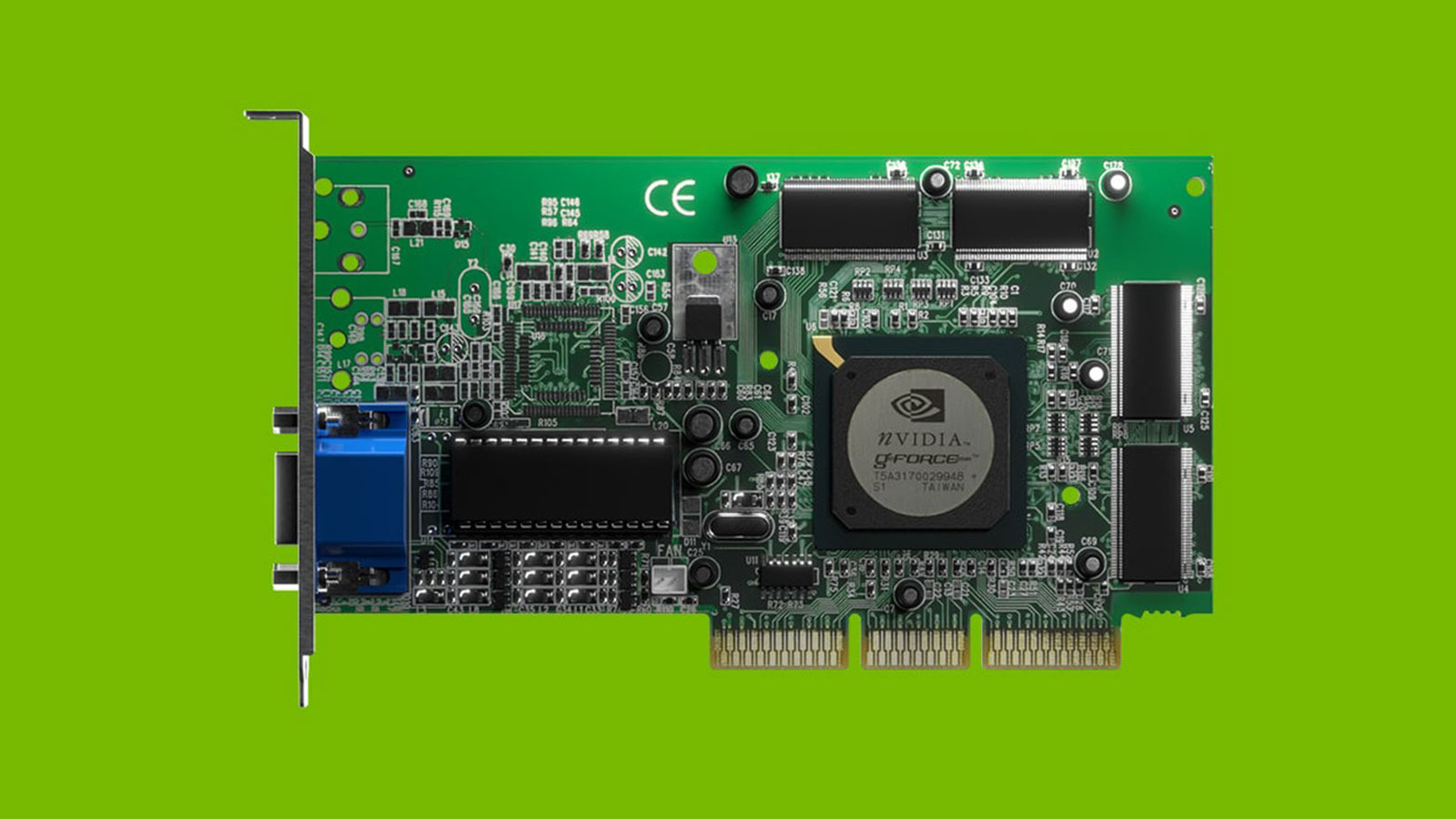
The introduction of the first graphics processing unit from Nvidia marked a definitive turning point for the computer hardware industry.
This initial release served as the catalyst for a significant revolution in the development and capability of graphics cards.
Check Your Amazon Prime Eligibility (Without Leaving This Page)
Select your category below to unlock your specific free trial and discounted membership rate:
Prime for Young Adults
Included with Prime for Young Adults:
- Fast, Free Delivery: Unlimited Same-Day, One-Day, and Two-Day Delivery on millions of items.
- Unlimited Streaming: Prime Video with award-winning Originals, movies, and live sports.
- $0 Food Delivery Fees: Free Grubhub+ membership included (save ~$120/year).
Amazon Prime (Standard)
Included with Amazon Prime:
- Fast, Free Delivery: Unlimited Same-Day, One-Day, and Two-Day shipping options.
- Instant Entertainment: Award-winning TV shows, movies, music, and photo storage.
- Full Access to Alexa+: AI assistant for entertainment, deals, and smart home tracking.
Amazon Prime Access
- Full Prime Benefits: Free shipping, Prime Video, and exclusive shopping deals.
- No Long-Term Commitment: Cancel or pause membership anytime.
Technology historians often emphasize the importance of this specific component in shaping the trajectory of digital visual performance.
The device is widely recognized for establishing the technical standards that would eventually define the company as a leader in the market.
According to “Nvidia’s first GPU was the start of a major graphics card revolution.” reported Engadget.
This development allowed for more complex rendering tasks that were previously impossible for standard consumer hardware to handle effectively.
The architectural choices made during the design phase of this product set a precedent for future iterations of high-performance computing hardware.
Engineers focused on creating a dedicated system that could offload intensive graphical calculations from the central processor to improve overall system efficiency.
As the industry evolved, the legacy of this first unit remained a primary subject of study for those tracking the progression of silicon technology.
The impact of this early hardware is still felt today as modern systems continue to build upon the fundamental principles established by that initial release.
By prioritizing specialized processing power, the company successfully carved out a niche that would eventually become the backbone of the entire gaming and professional design sector.
The transition from general-purpose processing to specialized graphical acceleration remains one of the most significant milestones in the history of personal computing.
Experts note that without this early innovation, the rapid advancement of visual fidelity in software would have likely faced significant delays.
Ultimately, the device remains an iconic symbol of the era when personal computers began to transform into powerful multimedia machines capable of rendering sophisticated three-dimensional environments in real time.
This historical context provides a clear understanding of why the brand continues to hold a dominant position in the global graphics card landscape today.