
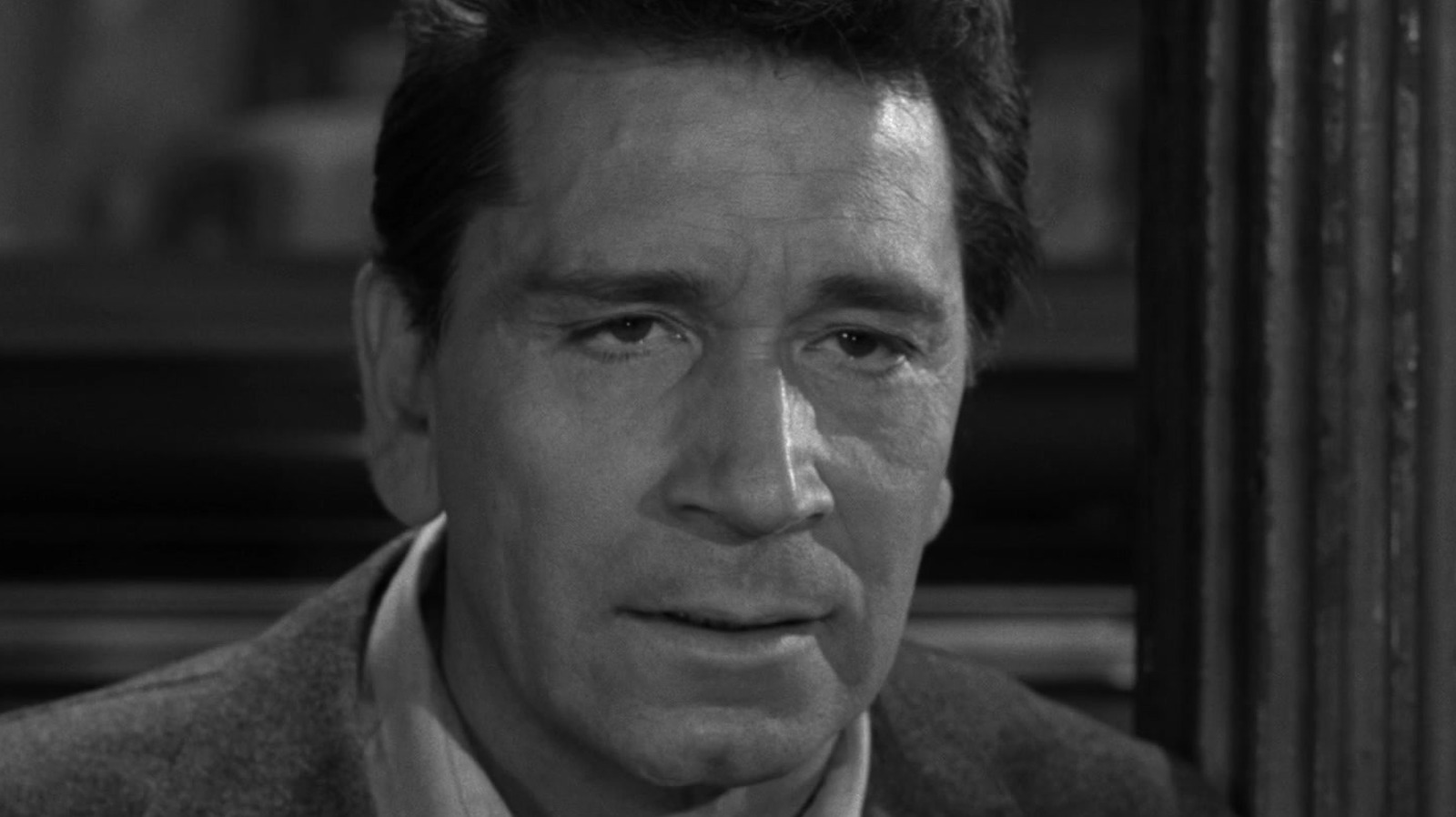
Rod Serling is widely considered the most iconic figure associated with the classic television anthology series The Twilight Zone.
As both the creator and the face of the program, he established a unique tone for the production that resonated with audiences across the country.
The show functioned as an anthology, meaning viewers could not rely on recurring actors or consistent characters from one week to the next.
Instead, the program utilized a specific narrative structure and thematic approach to maintain its identity.
According to “SlashFilm”, the only familiar element that welcomed viewers into each episode was the calm and sardonic voice of the host.
This vocal presence helped bridge the gap between disparate stories and provided a sense of continuity for the audience.
Despite his deep involvement as the primary creative force, the series eventually expanded its writing staff to include other contributors.
This shift marked a significant evolution for the production as it moved beyond the singular vision of its creator.
Although Serling is often viewed as the sole architect of the show, the collaborative nature of television writing allowed for a broader range of creative voices to influence the project over time.
The legacy of the show remains inextricably linked to Serling, whose hosting duties solidified his reputation as the definitive face of the franchise.
His influence on the medium of science fiction and television drama persists, even as historical records highlight the contributions of other writers who worked on the series.
The distinction of being the first episode not written by Serling represents a notable moment in the history of the show, illustrating the transition toward a more diverse writing room.
Ultimately, the program succeeded by balancing the familiar authority of its host with the creative variety provided by its anthology format.
This combination ensured that the series remained a staple of television culture for generations of viewers who tuned in for the unique storytelling experience.