
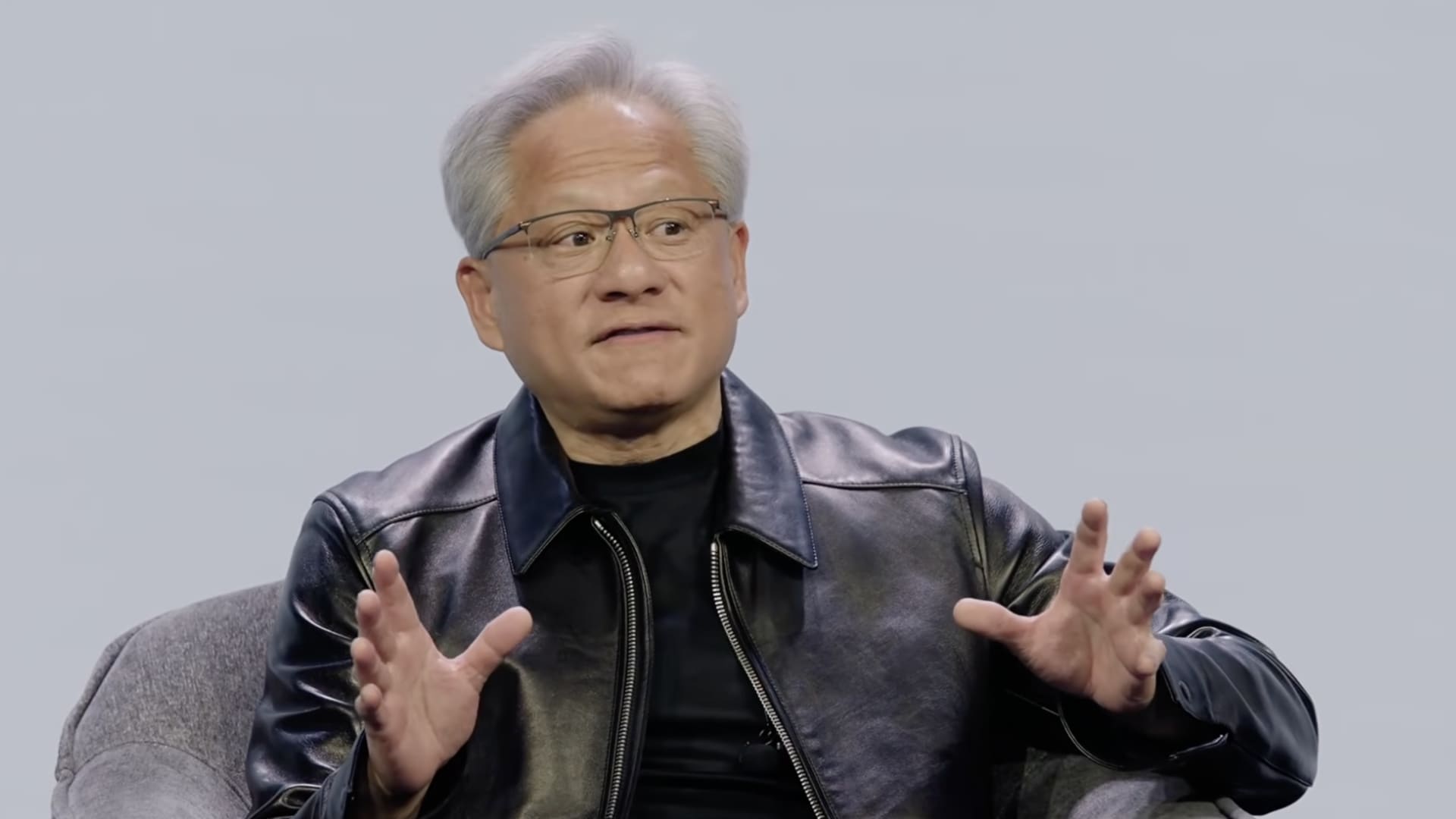
Nvidia is currently experiencing a significant surge in its market performance as investors react to the ongoing influence of CEO Jensen Huang.
The company remains at the center of the broader artificial intelligence trade, drawing intense interest from those looking to capitalize on the technology sector.
Despite the recent upward momentum, the current financial environment has prompted a sense of wariness among various stakeholders.
Market participants are closely evaluating the long-term sustainability of the current rally while navigating the complexities of the AI sector.
The enthusiasm surrounding the company is tempered by a growing sense of caution from both investors and lawmakers alike.
This atmosphere of apprehension suggests that while the market is embracing the return of leadership, there is a clear focus on risk management.
The sentiment is summarized by recent reports regarding the company’s position in the current market landscape, “The market is loving the return of Jensen Huang, but investors and lawmakers have their guards up,” reported CNBC.
Analysts are now tasked with determining how these external pressures might influence future trading sessions for the semiconductor giant.
The intersection of rapid technological growth and regulatory scrutiny continues to define the current investment narrative surrounding the stock.
As the market moves forward, the primary challenge for investors will be balancing the potential rewards of the AI trade against the identified risks.
The ongoing attention from lawmakers indicates that the regulatory environment will remain a critical factor for the company moving forward.
Whether this surge represents a lasting trend or a temporary spike remains a point of contention for financial experts monitoring the situation.
For now, the focus remains on how the company will manage these competing interests while maintaining its prominent role in the global tech economy.
The situation underscores the volatility inherent in the AI sector and the importance of maintaining a balanced perspective when evaluating high-growth stocks in the current economic climate.