
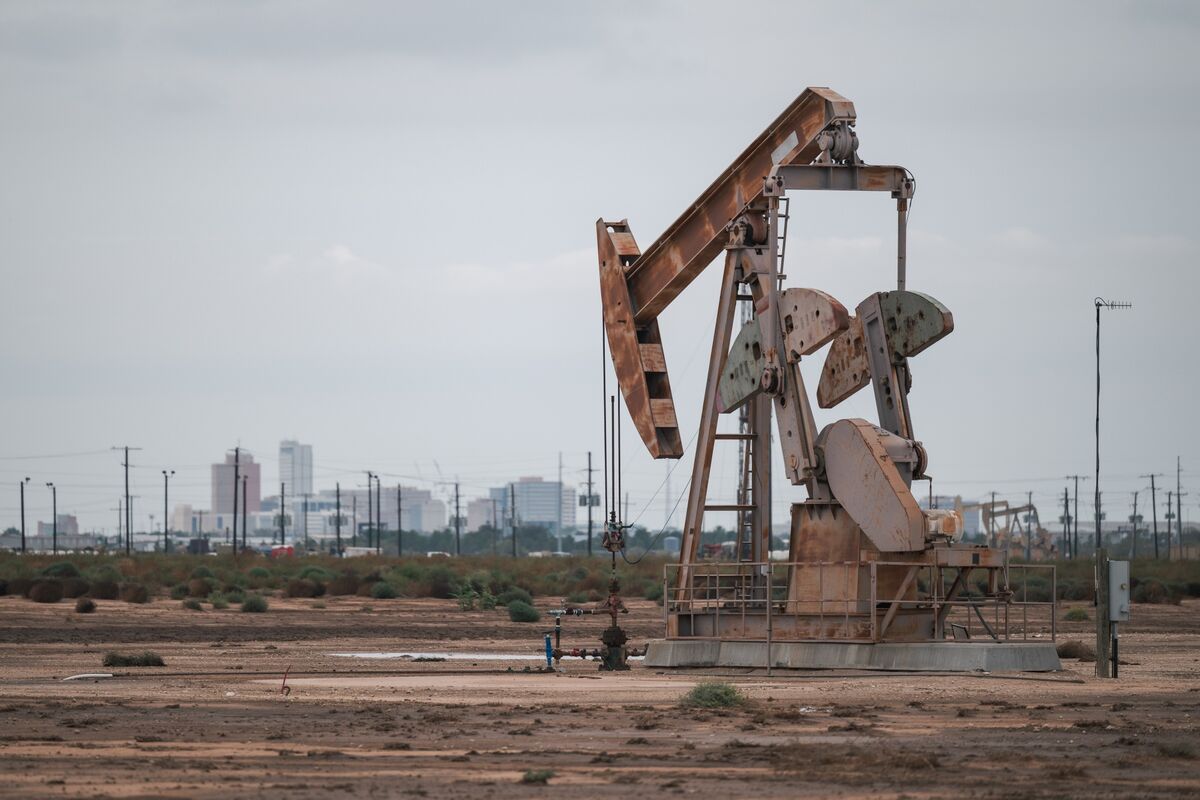
Natural gas flaring in the Permian Basin has reached its lowest point in three years.
The reduction follows the activation of new pipeline infrastructure designed to manage capacity.
These projects have successfully relieved a significant bottleneck that previously constrained the region.
Earlier this year, the lack of adequate transport capacity forced local gas prices into deeply negative territory.
Market observers noted that the new infrastructure provides a critical outlet for producers.
The industry shift is documented in a recent report from “Bloomberg”.
The data highlights how logistical improvements impact regional energy operations.
By moving excess supply out of the basin, companies have reduced the need to burn off gas as a waste byproduct.
This trend represents a notable change from the conditions faced by operators just months ago.
The infrastructure expansion serves as a major turning point for the Permian energy market.
Analysts suggest that the stabilization of transport routes is essential for maintaining consistent production levels.
The current figures reflect a broader stabilization across the basin’s midstream sector.
As pipeline capacity increases, the reliance on flaring as a disposal method continues to diminish.
This development is expected to influence future pricing dynamics in the energy sector.
The transition underscores the importance of pipeline connectivity in managing regional supply chains.
Industry participants are closely monitoring these developments to assess long-term impacts on gas markets.
The decline in flaring marks a significant operational improvement for the Permian region.
Moving forward, the focus remains on sustaining these logistical gains to prevent future bottlenecks.
The latest update confirms that the strategic deployment of new pipelines has achieved its primary goal of reducing waste.
This progress is a direct result of the recent expansion of regional transport capacity.
The industry continues to adjust to these improved logistical conditions.