
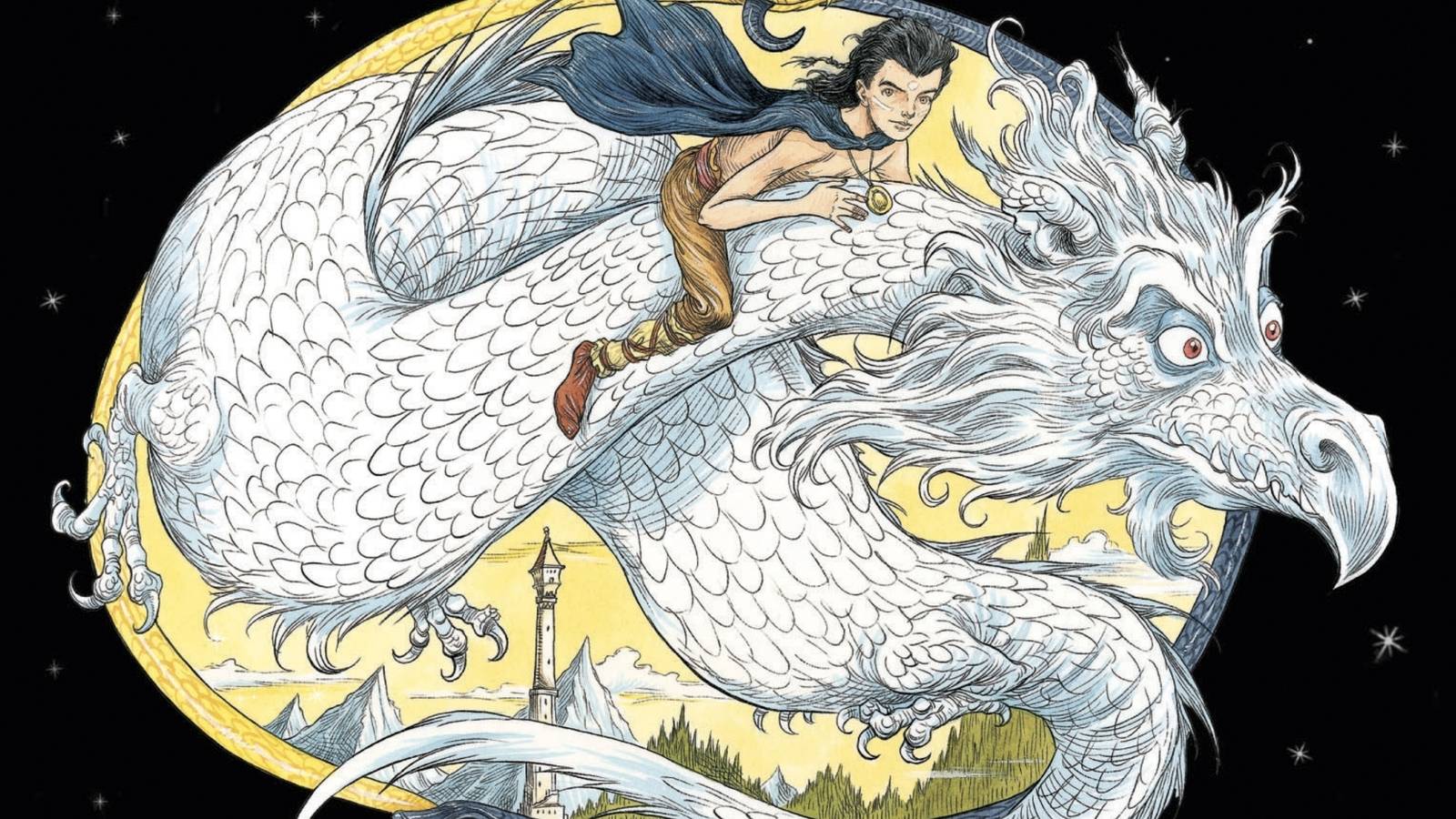
Fantasy literature often provides readers with different experiences depending on their age and level of familiarity with the text.
While younger readers may prioritize plot, those returning to a story often focus on worldbuilding, foreshadowing, or complex themes that were previously overlooked, according to “Collider.”
William Goldman’s 1973 work, The Princess Bride, serves as a prominent example of a book that benefits from multiple readings due to its unique framing device.
The narrative jumps between the story of Buttercup and Westley and the author’s own commentary on the process of abridging the fictional S. Morgenstern’s tale.
Philip Pullman’s The Golden Compass offers a different depth, as the series functions as a retelling of John Milton’s Paradise Lost.
While the initial reading focuses on Lyra Belacqua’s journey to the Arctic, subsequent readings reveal the text’s underlying discussions of physics and philosophy.
Peter S. Beagle’s The Last Unicorn also rewards those who return to its pages.
Knowing the conclusion of the story allows readers to appreciate the author’s prose and themes of memory and mortality, as noted by “Collider.”
The complexity of Jonathan Strange & Mr Norrell, published in 2004, makes it difficult to fully grasp during a single reading.
The novel provides an alternative history of 19th-century England, written with the wit associated with authors like Jane Austen and Charles Dickens.
Ursula K. Le Guin’s A Wizard of Earthsea also demands careful attention.
Though often categorized as children’s literature, the book explores profound themes such as self-acceptance and the dangers of unchecked power.
The story follows a young mage named Ged who accidentally unleashes a shadow creature.
Margaret Atwood described the work as one of the “wellsprings” of fantasy literature, according to reports cited by “Collider.”
Whether for the joy of a familiar journey or the discovery of new intellectual layers, these classic works remain significant to readers throughout their lives.