
Immigration and Customs Enforcement spent an estimated $13 million each month on empty beds located at five detention facilities the agency recently acquired.
This finding stems from a new investigation conducted by the government’s watchdog, according to the Government Accountability Office.
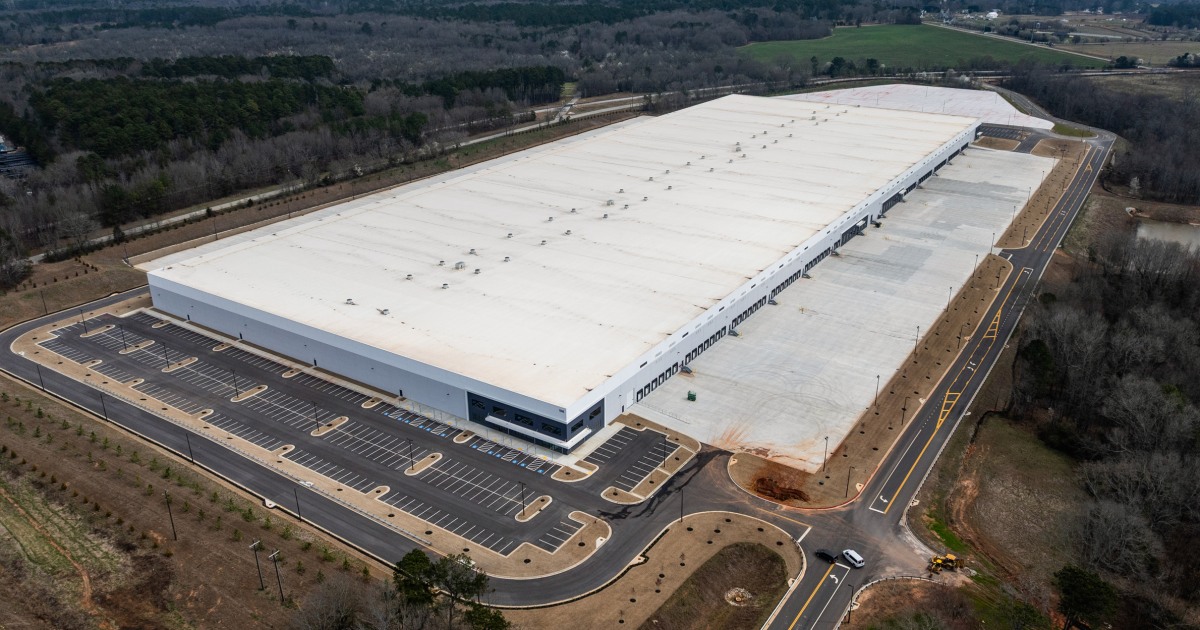
In addition to the costs associated with unused bed space, the federal agency reportedly overpaid by more than 50% for nine separate megawarehouses.
The agency is currently attempting to offload those properties, as noted by NBC News.
The expenditures highlight ongoing concerns regarding the fiscal management of detention infrastructure within the immigration enforcement system.
The report underscores the financial strain caused by maintaining facilities that are not currently operating at capacity.
Federal officials have faced scrutiny regarding the necessity of these acquisitions and the subsequent costs incurred by taxpayers.
The watchdog report provides a detailed breakdown of the spending patterns that led to these significant monthly losses.
Efforts to divest from the megawarehouses reflect a strategic shift for the agency as it manages its existing real estate portfolio.
The findings have prompted calls for greater oversight of how Immigration and Customs Enforcement allocates funds for detention center contracts.
While the agency previously sought to expand its detention footprint, the current focus is on managing the expenses related to these specific underutilized assets.
The report serves as a formal assessment of the agency’s procurement practices during the period in question.
Neither the agency nor the watchdog provided immediate comment on the specific timeline for the divestment of the properties.
The fiscal impact of these empty beds remains a point of contention for lawmakers reviewing the agency’s annual budget requirements.
Moving forward, the agency must balance operational needs with the pressure to reduce unnecessary spending on vacant facilities.
The oversight report concludes that these financial inefficiencies have persisted despite various internal reviews of the agency’s detention strategies.
Ultimately, the goal of selling the megawarehouses is to mitigate the ongoing financial burden identified by the government auditors.