
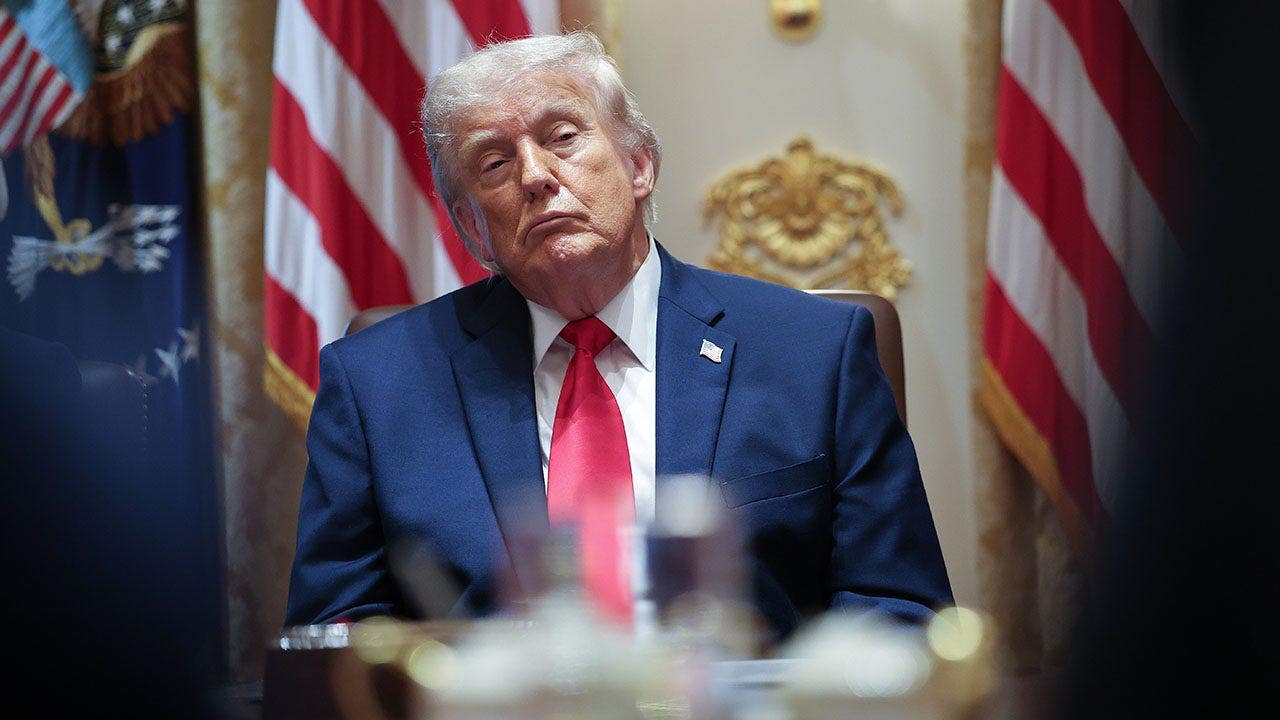
Widespread technical outages and a series of cyberattacks have fueled significant public anxiety across the United States.
Many citizens remain concerned about the stability of critical infrastructure, including banking systems and air travel, according to “Fox News.”
President Trump has attempted to minimize the severity of these disruptions to the public.
During his commentary on the situation, the president remarked, “Nobody’s going to play games with us.”
Homeland Security officials have similarly encouraged the public to remain calm while insisting that the nation is secure.
The administration faced criticism regarding its messaging strategy and the conduct of certain officials during the crisis.
Homeland Security Secretary Markwayne Mullin drew scrutiny after traveling on a government plane to a football game while many Americans were stranded by FAA ground stops.
Mullin defended the travel by stating he is required to fly on federal aircraft and that he reimbursed the government, as reported by “Fox News.”
Internal administration shifts occurred as White House Chief of Staff Stephen Miller adjusted media strategies for Cabinet departments.
Meanwhile, the federal government continues to grapple with persistent cyber threats targeting major corporations and government agencies, including the FBI and the National Security Agency.
Transportation Secretary Sean Duffy has requested additional funding to modernize infrastructure, noting that the current system is obsolete.
Despite these challenges, some analysts suggest that daily life for most Americans remains largely unaffected by these technical issues.
The massive commercial success of the video game Grand Theft Auto 6 serves as a potential indicator that consumer interest is currently focused on entertainment rather than widespread panic, according to “Fox News.”
While the administration works to address the systemic vulnerabilities, the public debate regarding federal oversight and infrastructure readiness persists.
Moving forward, authorities acknowledge that repairing aging systems will require sustained effort beyond immediate interventions.