
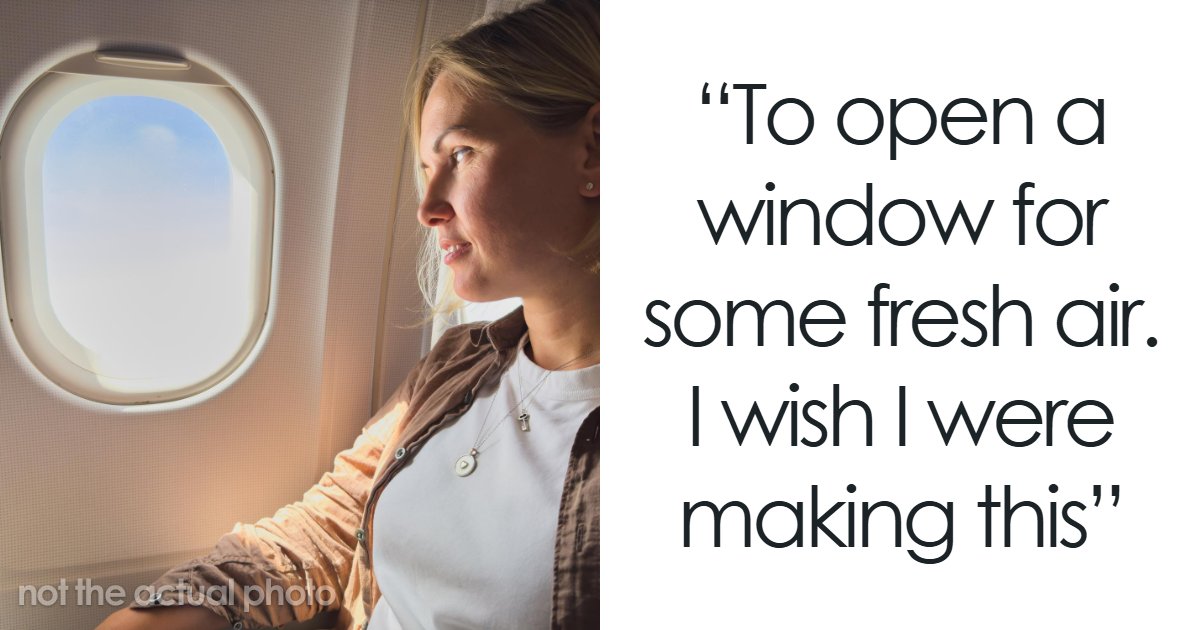
Flying at 35,000 feet often leads passengers to abandon common sense, according to a collection of stories shared by cabin crew members.
Flight attendants frequently encounter requests that defy logic, ranging from demands to open windows for fresh air to inquiries about whether pilots can turn off noisy engines.
One passenger questioned why Windsor Castle was built so close to Heathrow Airport, while another insisted the plane was stationary mid-flight, according to “Cabin Crew Confess The Request That Made Them Forget Their Safety Training.”
These interactions are sometimes linked to the unique environment of a pressurized cabin, where the lack of familiar surroundings may cause travelers to discard standard social norms.
Sociologist Arlie Hochschild coined the term “emotional labor” to describe the pressure flight crews face to remain polite and composed, even when confronted with unreasonable behavior.
One flight attendant described a situation where a passenger demanded a snack while the crew was performing emergency medical care for another traveler.
Another worker reported that a passenger asked for their personal lunch, which the crew member had paid for themselves, “according to Bored Panda.”
Despite these challenges, the primary responsibility of the cabin crew remains passenger safety and emergency evacuation procedures.
Federal regulations require a minimum number of flight attendants based on seating capacity to ensure a plane can be emptied within 90 seconds during an emergency.
While the beverage cart is a visible part of the job, it is considered a secondary function compared to the crew’s rigorous safety training.
The historical perception of cabin crew as glamorous figures, bolstered by 1960s literature, often contributes to the unrealistic expectations passengers place on staff today.
Modern flight attendants continue to navigate these strange requests with professional courtesy, often utilizing the “emotional labor” techniques developed over decades of industry training.
From requests for ATMs on board to questions about passport requirements for domestic flights, the stories highlight the unusual daily experiences of those working in the aviation industry.