
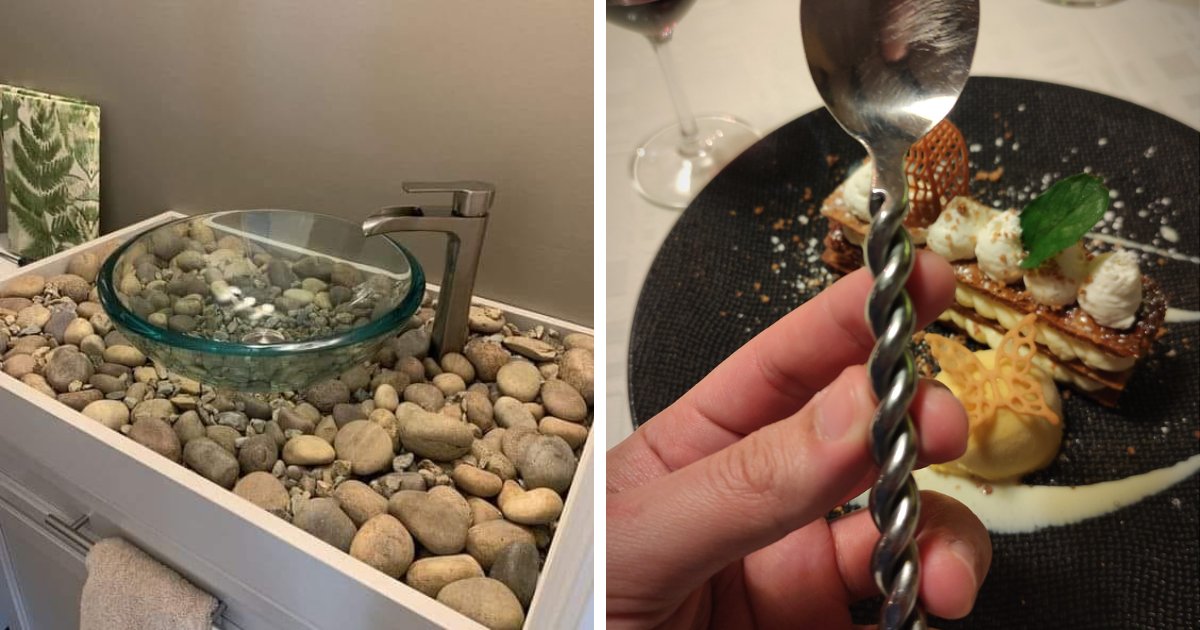
A recent analysis of home design suggests that many products prioritize appearance over functional utility, often creating significant challenges for homeowners.
While effective cleaning requires both proper materials and consistent effort, designers frequently incorporate awkward shapes or hard-to-reach areas into their work.
These design choices can make routine maintenance tasks, such as dusting or scrubbing, considerably more difficult for the average person.
The material composition of an object plays a critical role in how easily grime can be removed, according to “Bored Panda.”
Factors like surface roughness and energy levels determine how dirt adheres to furniture, which impacts the overall effort required to maintain a hygienic environment.
Manufacturers have the capacity to alter these properties to resist dirt, yet aesthetic appeal often remains a primary driver for consumer purchasing decisions.
Research indicates that initial impressions of a product are heavily influenced by its visual design, even before any practical use occurs.
One experiment involving mobile phone users showed that individuals initially perceived attractive devices as easier to operate than less appealing ones, despite identical functionality.
However, the study noted that this perceived advantage diminished as users gained more experience with the products, as reported by “Bored Panda.”
This trend toward aesthetic-focused design can exacerbate the physical toll of household chores, which are already considered tiring by many.
An ergonomic survey involving 385 respondents highlighted the need for better product design that considers how people move and perform daily tasks.
Principles of universal design advocate for simplicity, flexibility, and minimal physical effort to ensure that objects do not require awkward movements or excessive steps.
Beyond the home, the issue of surface hygiene is particularly relevant in high-traffic shared spaces like airports and daycare centers.
A study of 1,061 surfaces in four U.S. cities found biochemical markers on a significant percentage of tested items, underscoring the necessity of accessible cleaning designs.
Ultimately, experts suggest that practical utility should be considered as essential as visual style to ensure that daily maintenance remains manageable for users.