
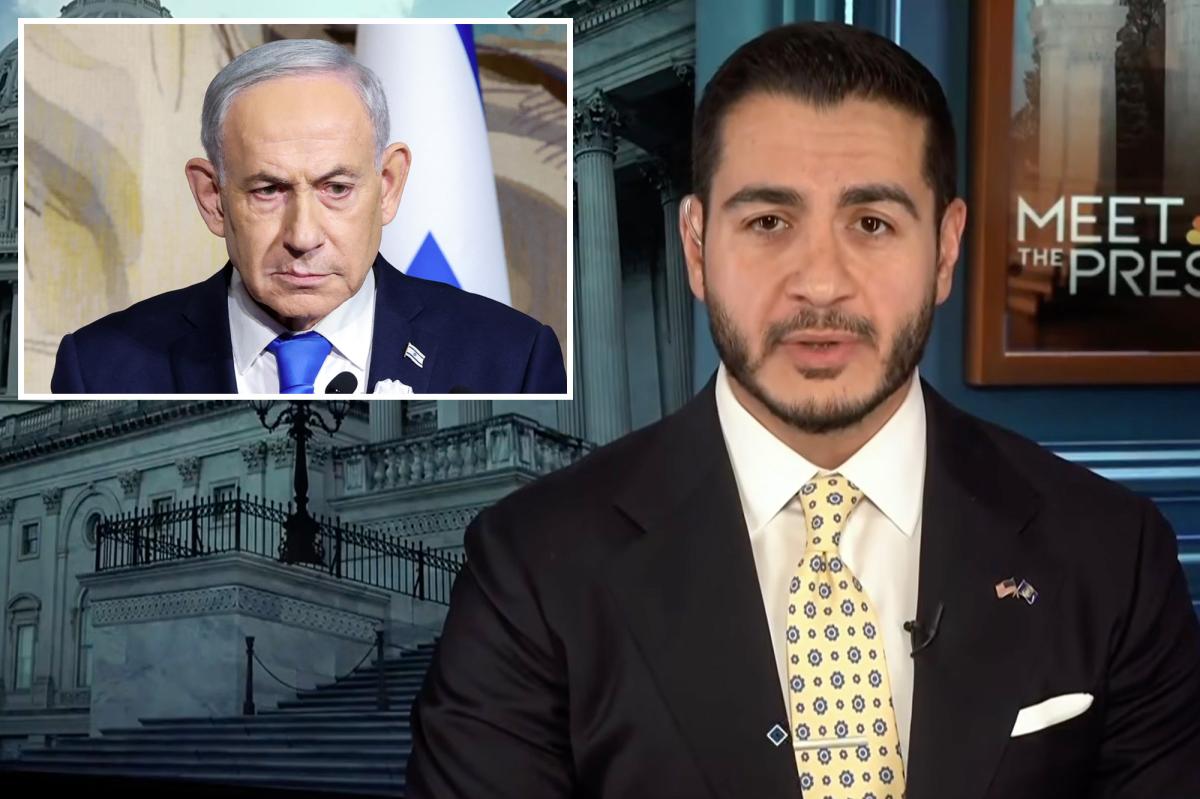
Abdul El-Sayed, a Michigan Democrat, recently shared his perspective on the nature of the Israeli state during a television interview.
Appearing on the NBC program Meet the Press, El-Sayed addressed the ongoing debate regarding the country’s political structure.
He expressed concerns regarding the concept of nations defined by specific ethnic or religious criteria.
The politician argued that the state of Israel must prioritize its commitment to democratic governance over its identity as a Jewish state, according to the New York Post.
El-Sayed articulated his opposition to the existence of what he characterized as ethno-states during the broadcast.
His commentary focused on the tension between maintaining a specific religious or ethnic national identity and ensuring inclusive democratic processes for all residents.
The remarks drew attention to the broader political discourse surrounding Israel’s foundational status and its regional role.
El-Sayed suggested that the prioritization of democratic ideals is essential for the future of the region.
He emphasized that the current structure of the state presents challenges that require a shift in focus toward broader democratic representation.
The discussion on Meet the Press highlighted the contrasting viewpoints held by various political figures regarding international policy and statehood.
El-Sayed maintained that his stance is rooted in the belief that equality should be the primary objective for any modern political entity.
By questioning the necessity of an ethno-state framework, he sought to challenge the traditional definitions that have historically shaped the region.
The comments reflect a growing conversation among some political observers about the intersection of religion, ethnicity, and democratic governance in the Middle East.
The interview concluded with El-Sayed reiterating his call for a transition toward a more universally democratic model in the area.
His statements continue to be a subject of discussion within political circles following the broadcast.
The debate remains centered on how the state balances its historical identity with the demands of contemporary democratic standards.