
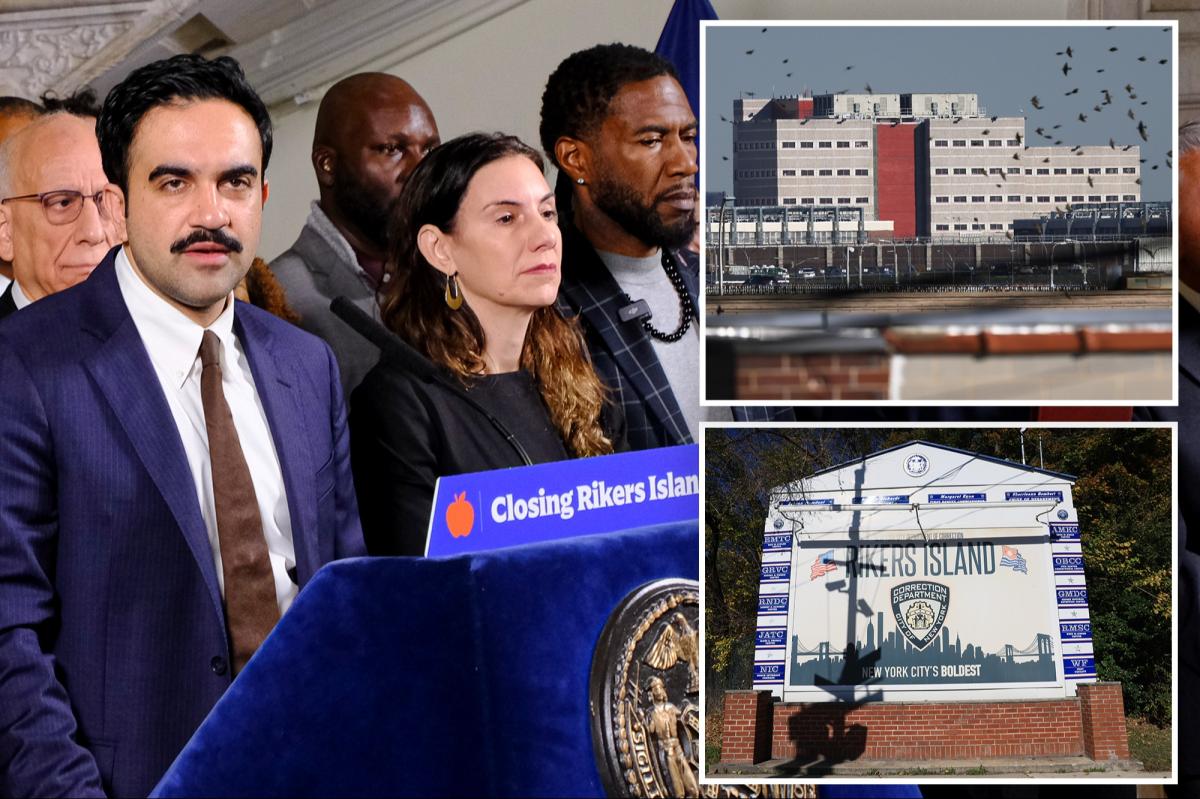
Mayor Zohran Mamdani has introduced a sweeping initiative aimed at closing the Rikers Island jail complex by 2032.
The proposal includes the expansion of a little-known program that provides financial payments to New Yorkers who offer housing to relatives returning from incarceration.
This initiative is part of a broader strategy to manage the transition of individuals leaving the correctional system.
The program, which has faced controversy, will receive millions of additional tax dollars under the current municipal plan.
According to the New York Post, the policy is designed to assist with the reintegration process for those formerly held at Rikers Island.
Officials have framed the financial assistance as a necessary measure to facilitate housing stability for families reuniting after a period of separation caused by imprisonment.
The expansion marks a significant shift in how the city approaches post-release support services for the population currently served by the jail facility.
Critics have questioned the fiscal implications of using public funds to compensate private citizens for housing their own family members.
The administration maintains that the investment is crucial for the successful closure of the Rikers Island site as scheduled.
The plan remains a central component of the mayor’s legislative agenda regarding criminal justice reform and city infrastructure.
As the 2032 deadline approaches, the city will continue to evaluate the effectiveness of these housing incentives.
Further details regarding the program’s oversight and eligibility requirements are expected to be released as the proposal moves through the municipal government process.
Supporters argue that the program provides an essential safety net for individuals who might otherwise face homelessness upon their release.
The allocation of millions in tax revenue reflects the scale of the transition efforts required to shutter the facility completely.
This policy remains a focal point of public debate concerning the city’s overall approach to managing its correctional facilities and the subsequent social outcomes for those impacted by the justice system.