
Clint Eastwood is a filmmaker widely recognized for his extensive career as both an actor and a director.
While he starred in numerous classics such as the Dollars trilogy and Dirty Harry, he also established himself as a director with notable projects like Unforgiven, Million Dollar Baby, and Gran Torino.
In 2006, Eastwood directed two World War II films focused on the Battle of Iwo Jima, opting to remain solely behind the camera for both productions.
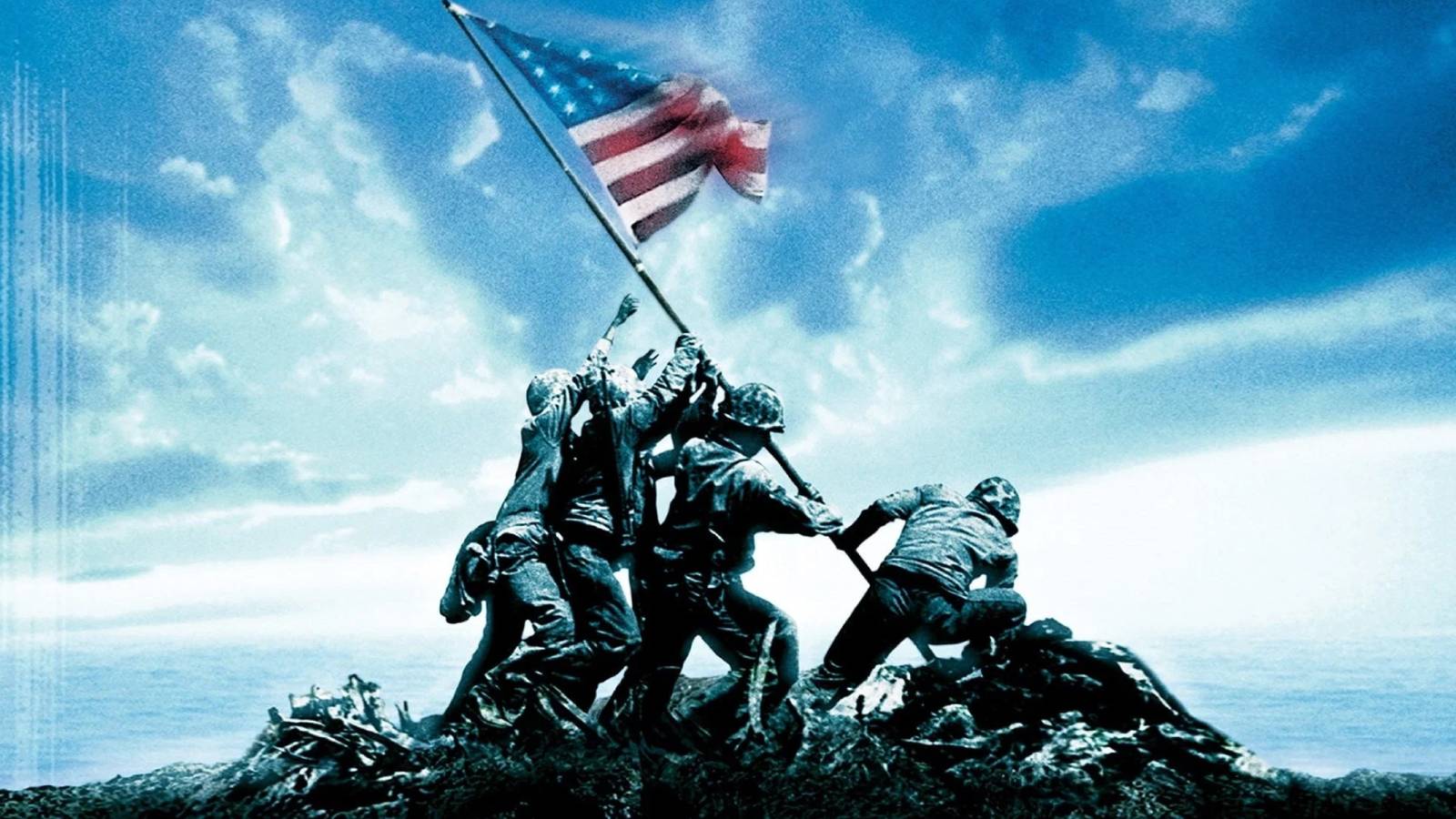
The first of these, “Flags of Our Fathers”, explores the battle from the American perspective, according to “Collider”.
The film examines the aftermath of the conflict rather than focusing exclusively on the combat itself.
It provides a thought-provoking look at the propaganda surrounding the famous photograph of soldiers raising the flag.
The narrative structure highlights how trauma lingers for those who survived the experience.
Eastwood released a companion film, “Letters from Iwo Jima”, just a couple of months later.
This second project depicts the same battle from the Japanese perspective.
Critics suggest that Flags of Our Fathers is arguably more of an epic and serves as an ideal starting point for viewers.
The film remains a significant study of history and media representation.
By shifting the focus from the battlefield to the personal and public consequences of the event, the movie offers a unique anti-war perspective.
The production serves as a testament to Eastwood’s directorial range, as he managed to capture the complexities of war without appearing on screen.
Two decades after its initial release, the film continues to resonate with audiences as a historical exploration of American military efforts.
The dual-perspective approach utilized by the director provides a comprehensive understanding of the event, as reported by “Screen Rant”.
Ultimately, the work stands as a defining entry in the director’s filmography.