
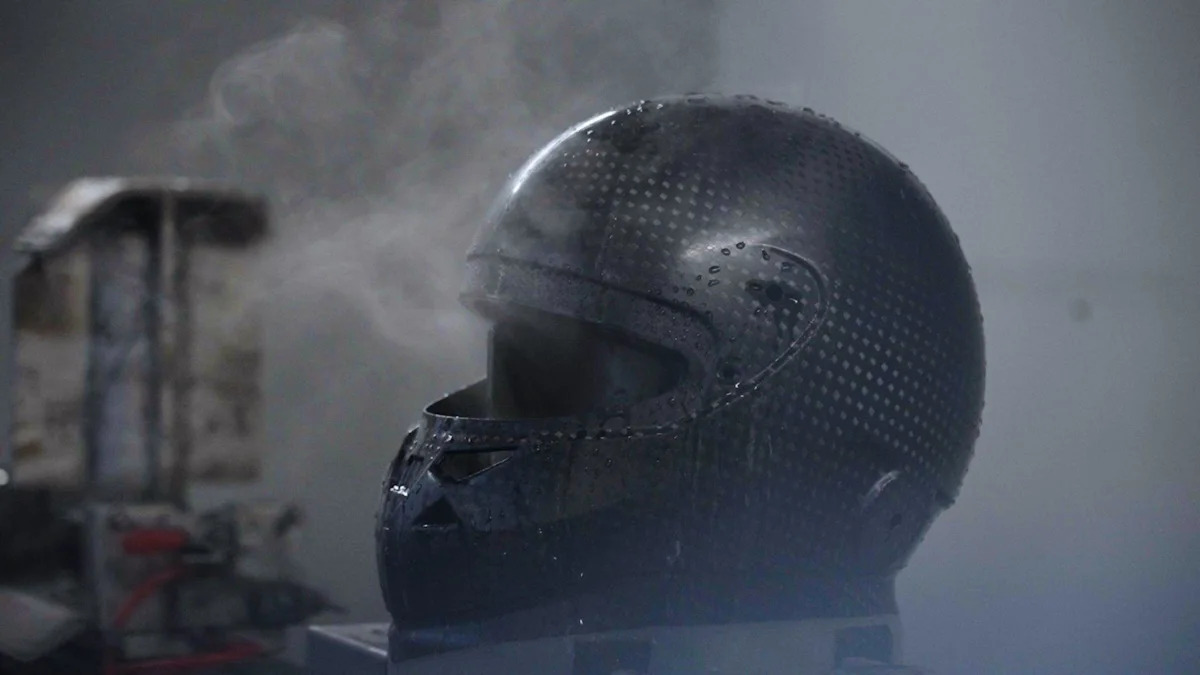
In a temperature-controlled facility in northern Italy, technicians meticulously assemble high-performance helmets for Formula One drivers.
The manufacturing process involves molding specialized carbon fiber at precise temperatures to ensure maximum structural integrity.
According to “the magic shop”, the facility operates under a strict philosophy of producing one shell for one specific driver.
Schuberth Performance CEO Alberto Dall’Oglio emphasizes the high stakes involved in this precision engineering work.
“Our philosophy is to make the best product for the best drivers,” “says chief executive Alberto Dall’Oglio.”
The evolution of this safety gear has been significant since the early days of racing when drivers wore basic leather caps.
Historical records show that early champions like Giuseppe Farina competed with minimal protection, relying on cloth caps and goggles.
The introduction of full-face helmets in the late 1960s provided a critical advancement against fire and impact hazards.
Tragic incidents, such as those involving Niki Lauda and Ayrton Senna, spurred further innovations in retention and material strength.
Modern equipment must now withstand extreme heat and high-velocity projectiles to meet strict FIA safety standards.
The life-saving capabilities of these designs were notably demonstrated when Romain Grosjean survived a fiery crash in 2020.
“Today’s helmets are withstanding up to 30 seconds at 700, even 800, degrees,” “says Dall’Oglio.”
Each helmet requires extensive labor, and any minor defect renders the expensive carbon materials obsolete during quality control.
Beyond the factory, specialized technicians travel globally to maintain equipment for drivers like Max Verstappen throughout the racing season.
These experts must manage weather conditions and logistics to ensure that drivers have reliable gear at every grand prix event.
Ultimately, these helmets represent a sophisticated marriage of science and aesthetics intended to protect athletes at the highest level of motorsport.
The industry remains committed to constant testing and regulatory updates to further minimize risks on the track.