
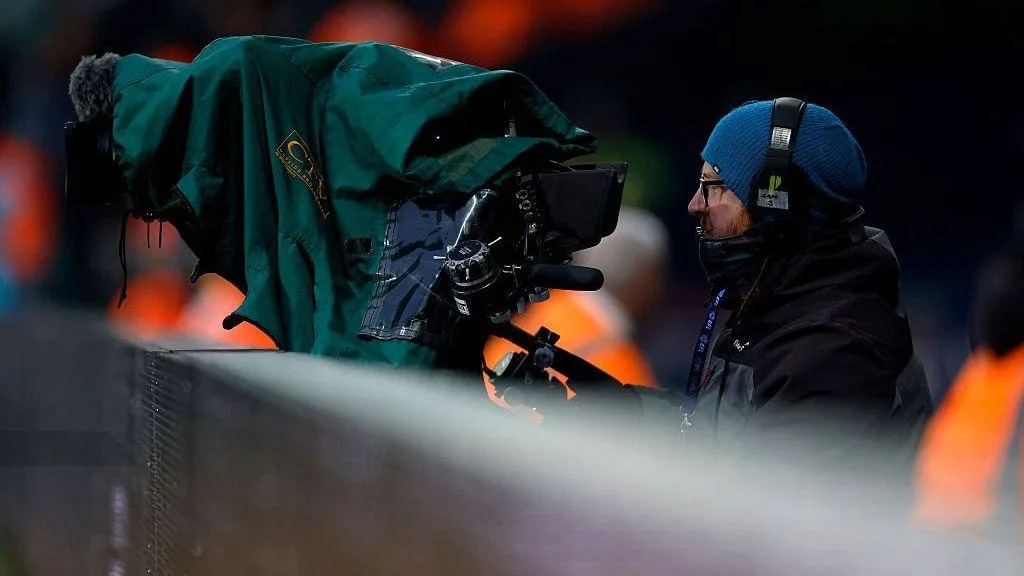
Andy Burnham has expressed significant reservations regarding potential plans to scrap the long-standing Saturday 3 p.m. television blackout in the United Kingdom.
The rule, which prohibits live football broadcasts between 2:45 p.m. and 5:15 p.m. on Saturdays, was established during the 1960s to incentivize fan attendance at lower-league matches, according to reports from the BBC.
Burnham emphasized that the welfare of the broader football pyramid must remain the primary priority for regulators.
“I would urge a bit of caution, because it does protect the income of lower-league clubs,” Burnham said.
The regulation is currently enforced through Article 48 of the Uefa Statutes and is applied by both the English and Scottish football associations whenever half of the top-flight fixtures are scheduled for the traditional Saturday afternoon slot.
While the Premier League is currently operating under a record domestic television deal worth 6.7 billion pounds, industry experts suggest the upcoming 2028-29 broadcast cycle could invite significant changes to existing rules.
The Scottish Professional Football League has indicated it is flexible regarding the number of matches included in future television packages, as reported by BBC Sport.
Burnham warned that an influx of televised top-tier games could diminish the incentive for fans to support local or non-league teams.
“If you have effectively wall-to-wall Premier League football at any time, it takes away perhaps the incentive to go and watch the football league or non-league,” the politician stated.
He added that he intends to prioritize the experience of the paying supporter over purely consumer-driven broadcast interests.
Premier League chief executive Richard Masters has previously acknowledged that the future of the blackout remains a subject for ongoing industry evaluation.
Currently, the only major event permitted to bypass the blackout window is the FA Cup final.
Burnham concluded that he would advocate for the protection of the traditional football structure before supporting any expansion of live television coverage.