
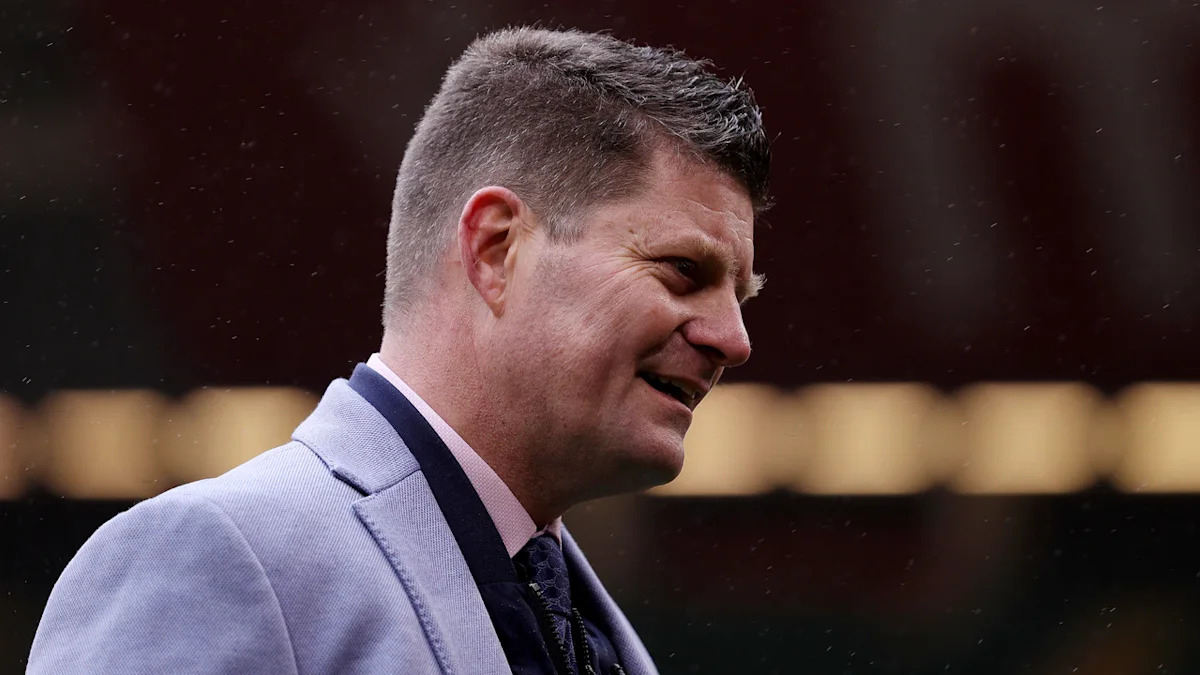
Former Celtic Chief Executive Dom McKay departed the club after only two months in the role, a move initially attributed to “personal reasons” by the organization.
However, recent commentary from Sky Sports journalist Anthony Joseph suggests the exit was linked to internal friction regarding the club’s management structure.
According to “Anthony Joseph,” McKay intended to modernize the club by appointing a sporting director, with Fergal Harkin identified as a primary candidate for the position.
Joseph explained that McKay faced significant resistance from a board that historically favored maintaining its established operational framework.
Reflecting on the challenges McKay encountered, Joseph noted, “I guess with Dom McKay, it was probably a case of he was trying to do too much too soon for a board that don’t like much change.”
The journalist suggested that the club could have remained competitive while adopting a more contemporary model involving expert personnel to manage football operations.
Joseph stated, “We need the experts to come in, people who actually do these roles, football people to run the football operations.”
McKay had been hired in 2021 to replace long-serving executive Peter Lawwell, a transition that was widely viewed as a significant development for the club at the time.
Despite his short tenure, he was credited with attempting to implement an ambitious, modern strategy that aligned with how other major football clubs operate.
The current board remains under scrutiny, as critics argue that the refusal to adopt the changes proposed by McKay reflects a reluctance to evolve.
While the board continues to oversee operations, the debate persists regarding whether the club requires a fundamental shift in its leadership structure to move forward effectively.
The departure of McKay highlights the ongoing tension between traditional governance and the desire for structural modernization within the organization.