
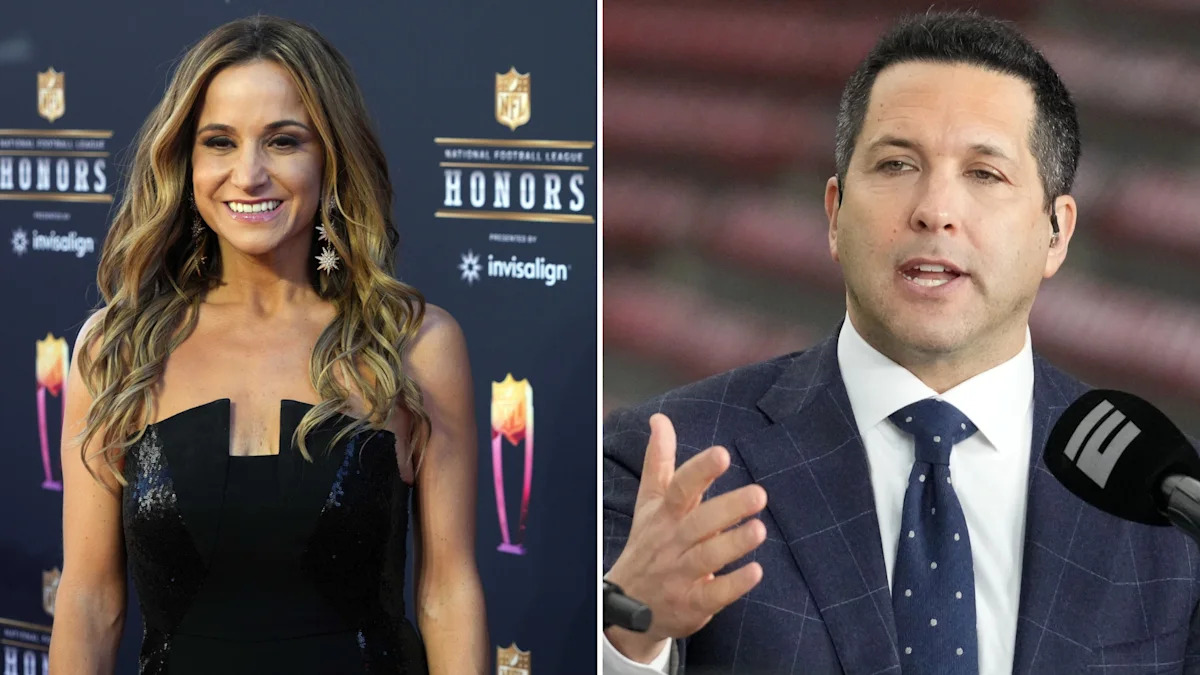
In a recent discussion regarding the integrity of sports journalism, ESPN insider Adam Schefter detailed the meticulous process he employs before confirming breaking news stories. Schefter emphasized that his primary responsibility is to ensure the absolute accuracy of information before it is disseminated to the public.
When addressing how he handles scoops provided by his colleague Dianna Russini, Schefter noted that he maintains a high threshold for verification. He stated, “I’m not reporting it until I know that it’s true”, highlighting the pressure to remain reliable in an era of rapid social media cycles.
The veteran reporter explained that the modern landscape of sports media requires a balance between speed and factual certainty. While the race to be first is a significant component of the industry, Schefter argued that the potential damage caused by inaccurate reporting far outweighs the benefits of being the first to break a story.
He further elaborated that his professional relationship with Russini is built on a foundation of mutual respect and rigorous fact-checking. By cross-referencing information through his own network of sources, Schefter ensures that every piece of news meets the network’s editorial standards. This approach serves as a safeguard against the spread of misinformation, which can often proliferate during the NFL offseason or trade deadlines.
The conversation underscored the evolving challenges faced by journalists who cover high-stakes professional sports. As fans and analysts increasingly rely on real-time updates, the demand for precision has never been higher. Schefter’s comments reflect a commitment to traditional journalistic principles, suggesting that despite the digital shift, the core requirement of verification remains the most critical aspect of the profession.
Ultimately, the exchange between the two reporters serves as a case study for how established media outlets manage internal information sharing. By prioritizing the truth over speed, Schefter aims to maintain the trust of his audience while navigating the complexities of the competitive sports news market. His methodology remains a cornerstone of his long-standing career at ESPN, reinforcing the importance of accountability in reporting.