
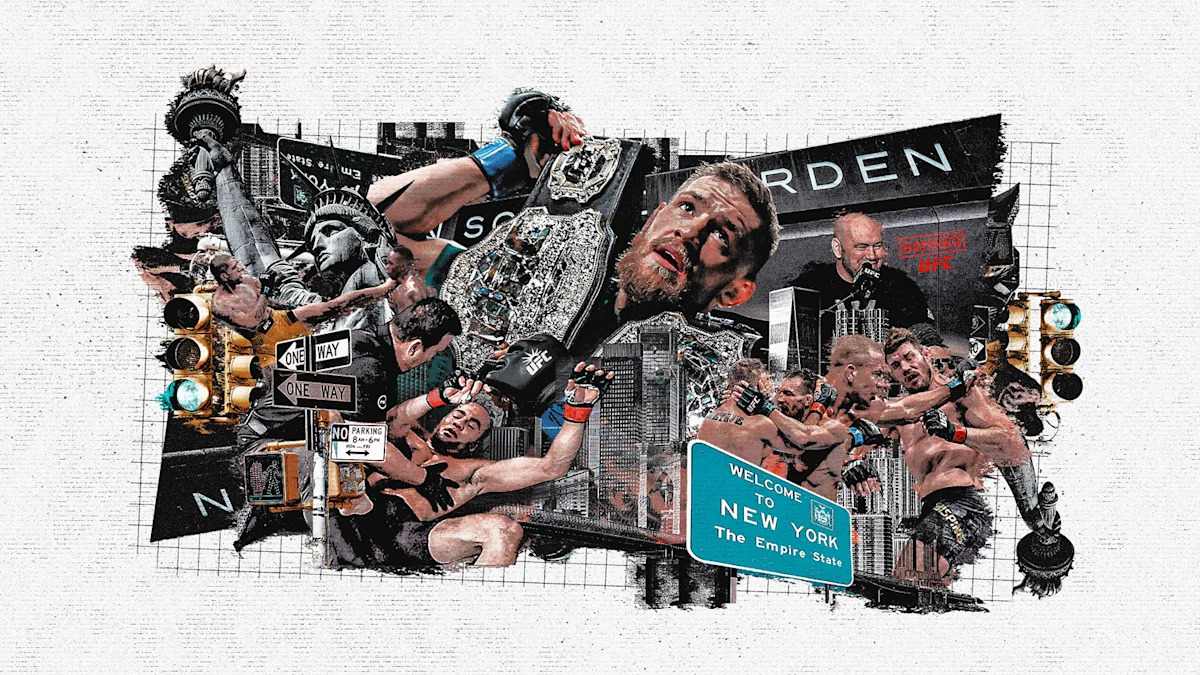
The Ultimate Fighting Championship continues to reflect on its historic expansion into New York, a milestone that marked the end of a long-standing prohibition against professional mixed martial arts within the state. For years, the promotion faced significant legislative hurdles, as New York remained the final jurisdiction in the United States to maintain a ban on the sport.
Reflecting on the arduous process, company officials described the eventual legalization as “A culmination of all the time we put in:” during recent discussions regarding the organization’s regional growth. This sentiment highlights the persistence required to lobby lawmakers and overcome persistent public perception concerns that had stalled the sport for nearly two decades.
The legislative breakthrough finally arrived in 2016, allowing the promotion to host its inaugural event at Madison Square Garden. This venue shift served as a symbolic victory for the sport, moving it from underground circuits to the mainstream spotlight of one of the world’s most iconic arenas.
Industry analysts note that the legalization process involved extensive negotiations regarding athlete safety, medical insurance coverage, and regulatory oversight. These concessions were essential to appease skeptical legislators who were initially concerned about the physical nature of the competition.
Today, the New York market stands as a cornerstone of the organization’s global operations. The state has since hosted multiple high-profile pay-per-view events that have generated significant tax revenue and tourism interest. By successfully navigating the complex political landscape of Albany, the UFC effectively secured its status as a legitimate, regulated athletic enterprise across the entire country.
As the promotion continues to expand its footprint, the success in New York remains a case study in corporate lobbying and sports advocacy. The transition from a banned activity to a sanctioned professional sport in the Empire State represents a defining chapter in the history of mixed martial arts, illustrating how institutional persistence can reshape public policy and cultural acceptance over time.