
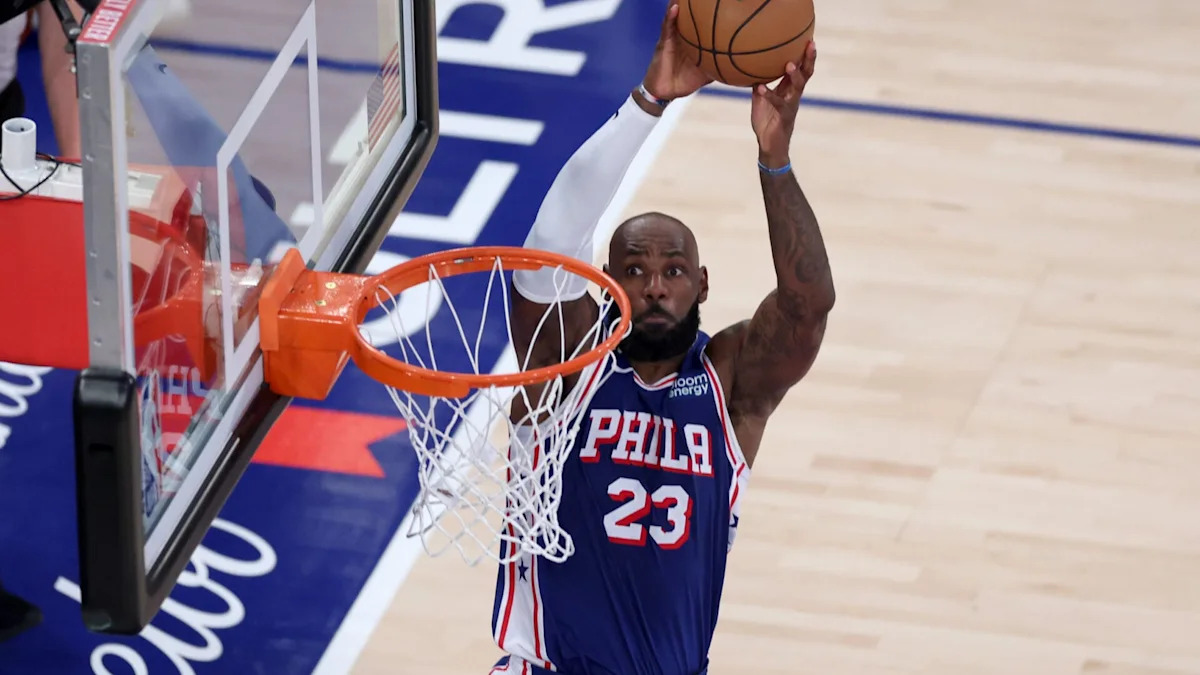
Longtime sports commentator Stephen A. Smith recently expressed strong criticism regarding the current state of the NBA All-Star Weekend. During a segment on his program, Smith specifically targeted LeBron James for his influence on the league’s midseason showcase.
The analyst argued that the veteran superstar has “ruined” the competitive integrity of the All-Star Game itself. According to Smith, the shift toward a more relaxed, exhibition-style atmosphere has diminished the appeal for fans who once enjoyed watching the league’s top talent compete with genuine intensity.
Smith emphasized that while James remains a monumental figure in basketball history, his approach to these events has set a precedent that other players have followed. The commentator noted that the lack of defensive effort and the prioritization of player safety over entertainment value have fundamentally altered the event’s legacy.
The criticism comes amid ongoing discussions within the NBA regarding how to revitalize the All-Star Game. League officials have experimented with various formats, including target scores and different roster structures, in an attempt to restore the prestige that the event held in previous decades.
Despite the changes, viewership numbers have fluctuated, leading to widespread debate among analysts and former players. Smith’s commentary highlights a growing divide between those who view the weekend as a necessary break for players and those who believe it should serve as a premier showcase of elite skill and competitiveness.
LeBron James has not yet issued a direct response to these specific remarks. However, the four-time champion has previously defended the necessity of managing player health throughout the grueling eighty-two game regular season schedule.
As the league continues to navigate these challenges, the debate surrounding the All-Star format remains a central topic. Fans and media members alike are watching to see if the NBA will implement further structural changes to address these concerns in the coming years. For now, Smith’s perspective serves as a prominent critique of the current cultural direction of the league’s most visible midseason event.