
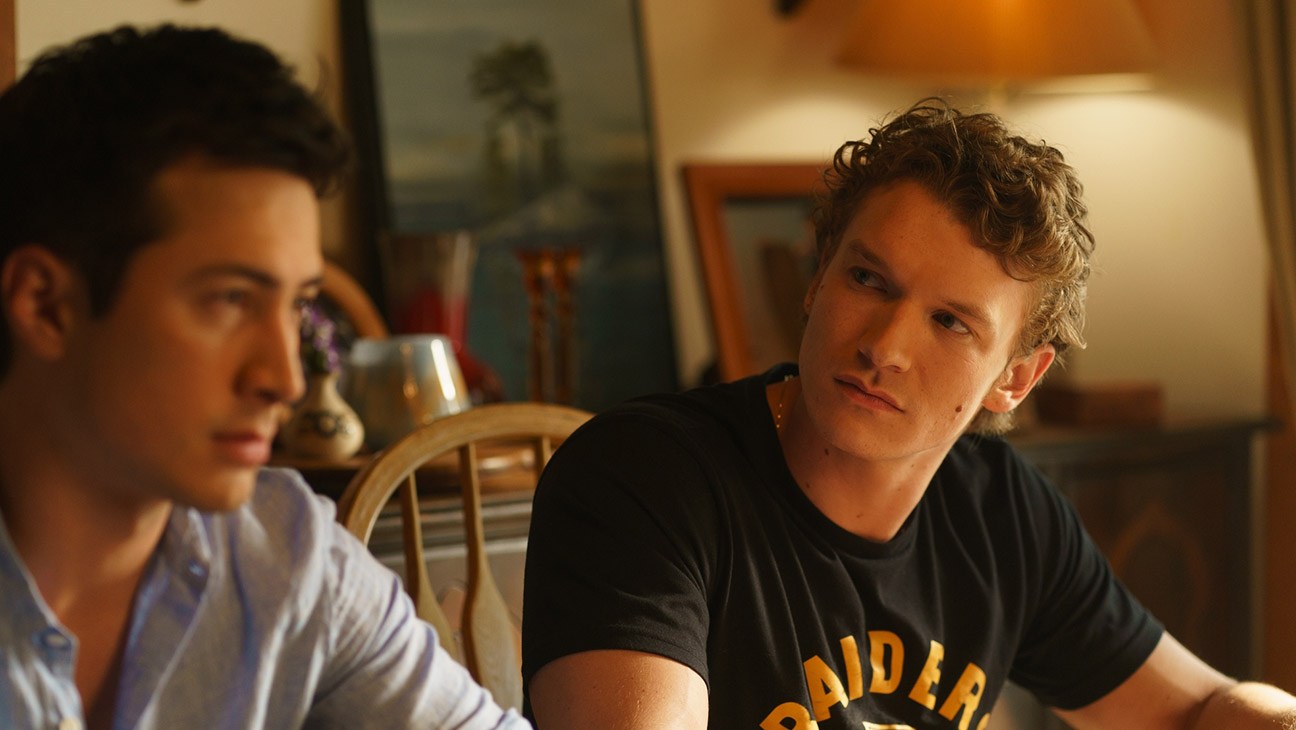
A recent study conducted by GLAAD has revealed a significant downturn in the presence of LGBTQ characters across broadcast television networks for the 2025-2026 season. The findings indicate that the industry is experiencing a contraction in diversity efforts that had previously seen consistent growth over the last decade.
According to the organization, the number of recurring LGBTQ characters has fallen to levels not seen in several years. This shift comes as networks face ongoing pressure from shifting viewership habits and broader economic challenges within the entertainment industry. The report highlights that these reductions are not limited to one network but appear to be a systemic trend across major broadcast platforms.
GLAAD officials expressed concern regarding the impact of this decline on viewers who rely on seeing themselves reflected in media. The study notes that “LGBTQ representation on TV dropped in 2025-26, GLAAD study finds” as networks pivot their programming strategies. This data serves as a benchmark for how media companies are prioritizing inclusive storytelling during a period of reduced content production.
Industry analysts suggest that the decline may be linked to a broader consolidation of programming and a move toward safer, more traditional content formats that networks believe will guarantee higher advertising revenue. Despite the decrease, advocates argue that the loss of visibility could hinder the progress made in recent years regarding social acceptance and accurate media portrayals.
The study also examined the depth of character development, noting that quantity is not the only metric for success. Even as the total count of characters diminishes, the quality of representation remains a focal point for advocacy groups monitoring the landscape. Networks have not yet provided detailed responses regarding their specific programming decisions for the upcoming cycle.
As the television landscape continues to evolve, the findings from this report are expected to spark further dialogue between advocacy organizations and network executives. The future of inclusive casting remains a critical topic for stakeholders who monitor the cultural influence of broadcast media on a global scale.