
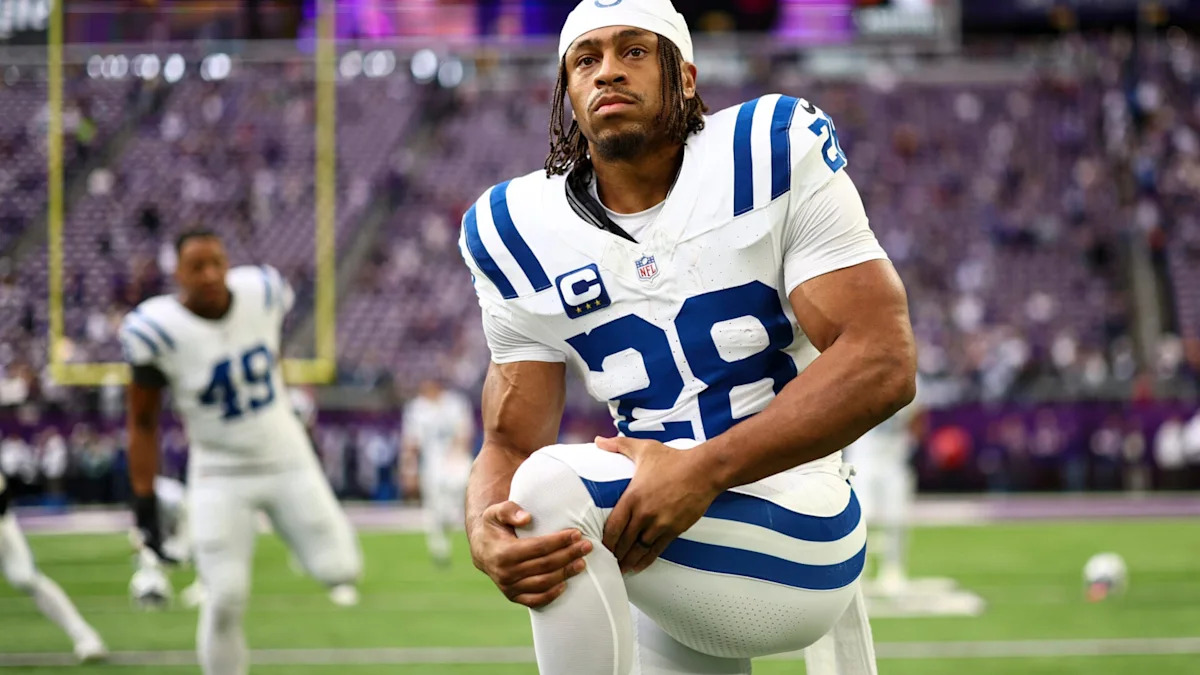
The ongoing contract dispute between running back Jonathan Taylor and the Indianapolis Colts has drawn significant attention from former NFL players. Devin McCourty, a retired defensive back who spent his entire career with the New England Patriots, recently weighed in on the situation during a media appearance. McCourty expressed his perspective on the current landscape for running backs in the league, specifically focusing on Taylor’s options after the trade deadline passed without a deal.
McCourty suggested that Taylor might need to take drastic measures to secure his future value. He specifically noted that “he should go on strike” as a strategic move to leverage his position against the organization. This commentary highlights the growing tension regarding how teams compensate elite running backs in the modern era of professional football.
Taylor, who has been a standout performer for Indianapolis, entered the season seeking a long-term contract extension. The Colts, however, have remained firm in their stance, opting not to grant the requested deal at this time. This impasse led to speculation about a potential trade, which ultimately did not materialize before the deadline. McCourty argued that by withholding his services, Taylor could potentially force the team to reconsider their current fiscal approach to his contract.
The suggestion of a strike reflects the broader frustrations felt by many veteran players regarding the current market trends for their position. While the Colts maintain that they value Taylor’s contributions to the offense, the lack of a finalized agreement continues to create uncertainty for both parties involved. It remains to be seen whether Taylor will adopt such an aggressive strategy or continue to participate in team activities while seeking a resolution through other channels.
As the season progresses, the status of this negotiation will likely remain a focal point for analysts and fans alike. McCourty’s advice underscores the high stakes involved for players attempting to maximize their earnings while navigating the complex rules of the NFL collective bargaining agreement. The situation serves as a stark reminder of the difficult business decisions that frequently occur behind the scenes of professional sports organizations.