
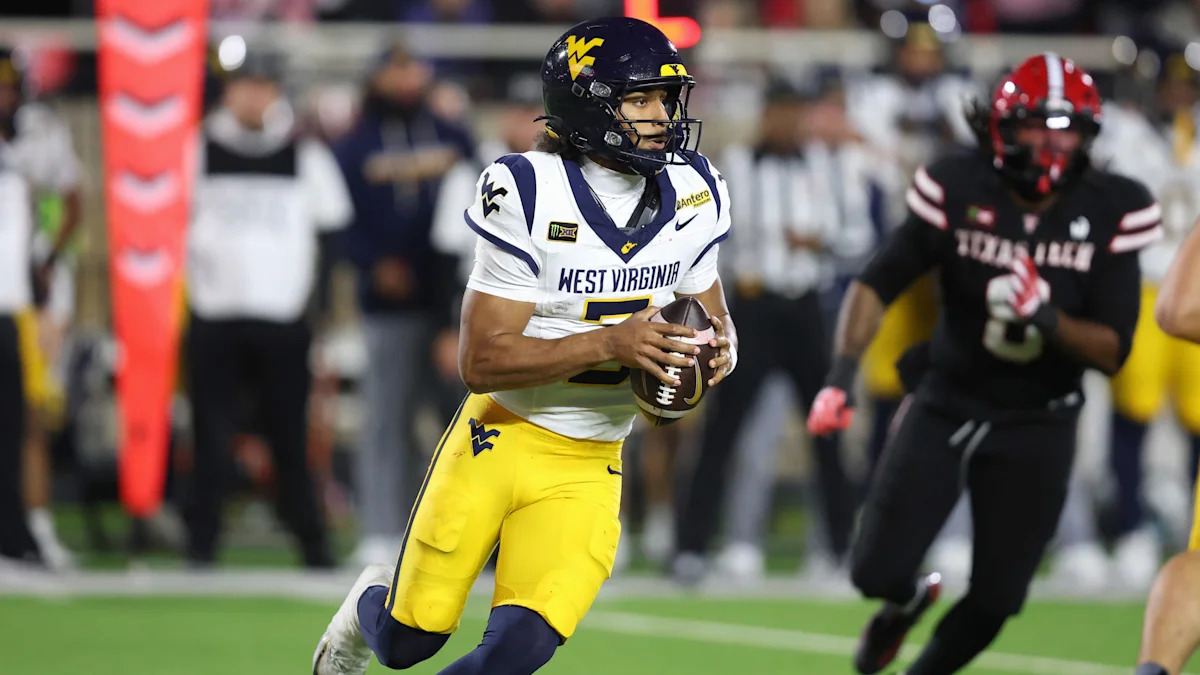
A growing coalition of athletic directors from mid-major programs is advocating for the creation of a secondary College Football Playoff tournament. This proposal comes as the gap between the power conferences and the rest of the Football Bowl Subdivision continues to widen significantly.
The push is driven by a desire for equitable postseason participation and additional financial resources for institutions outside the top-tier conferences. Proponents argue that the current structure leaves smaller programs with little chance to compete for a national title. As noted in recent reports, there is a sentiment that “second tier schools want a second CFP tournament” to ensure their programs remain viable in the modern landscape.
Critics of the current system point to the massive revenue disparities that have emerged following recent conference realignments. These schools argue that a tiered playoff system would allow for greater parity and provide a meaningful postseason experience for athletes who are currently excluded from the primary bracket. The proposal suggests that such a tournament could be marketed as a distinct event, potentially attracting its own television deals and sponsorship opportunities.
However, the feasibility of such a plan remains a subject of intense debate among university presidents and conference commissioners. Many officials express concern about the logistics of adding more games to an already crowded schedule. Furthermore, there are questions regarding how a secondary tournament would interact with existing bowl games and the overall structure of the postseason. Despite these hurdles, the conversation regarding the expansion of postseason opportunities for all levels of college football continues to gain momentum.
The discussion highlights the ongoing struggle to balance the commercial success of elite programs with the competitive aspirations of smaller institutions. Whether this proposal will gain formal traction during upcoming meetings remains uncertain, but it clearly indicates that the current structure of college football is facing mounting pressure for structural change. As stakeholders evaluate the future of the sport, the demand for broader access to championship competition will likely remain a central point of contention for athletic administrators across the country.