
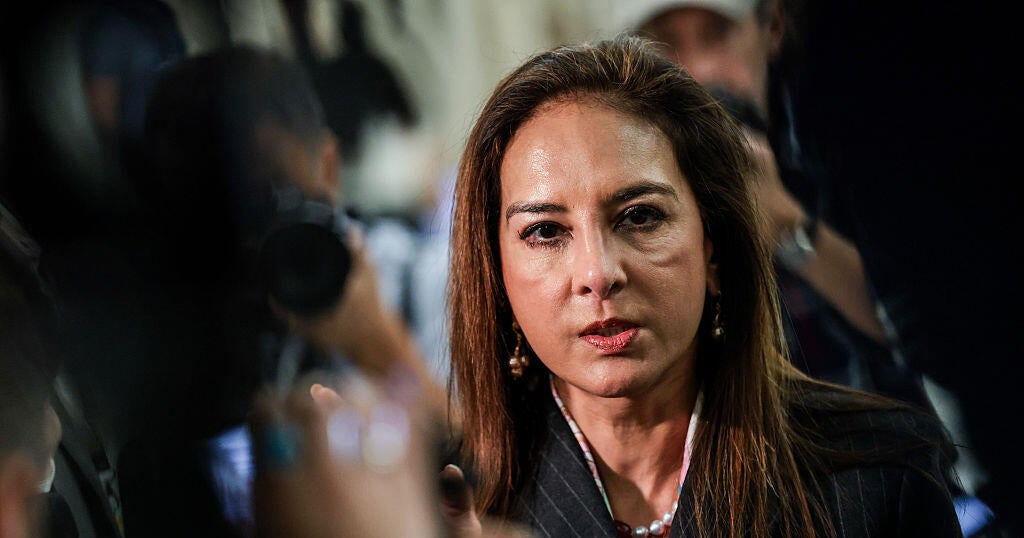
Harmeet Dhillon has officially stepped down from her position as the head of the Department of Justice’s civil rights division, marking the conclusion of a tenure defined by significant internal discord and external scrutiny. The announcement comes after what many observers described as a “turbulent 18 months” during which the division faced intense pressure regarding its policy enforcement and administrative direction.
The resignation follows a period of mounting tension within the agency, as officials grappled with shifting priorities and complex litigation that tested the division’s traditional scope. While the Department of Justice has not released an exhaustive list of specific grievances, insiders suggest that fundamental disagreements over the scope of civil rights protections contributed to the atmosphere of instability that preceded this departure.
Colleagues and legal analysts have noted that Dhillon’s time in office was characterized by a series of high-stakes challenges that often placed the division at the center of national debates. The nature of these disputes often required a delicate balance between departmental mandates and the evolving expectations of various advocacy groups that monitor the agency’s performance closely.
In the wake of the resignation, the Department of Justice is now tasked with finding a successor who can navigate the existing political climate while stabilizing the division’s internal operations. The search for a new leader is expected to be closely watched by lawmakers and civil rights organizations alike, as the appointment will likely signal the administration’s future strategy regarding federal oversight and enforcement protocols.
As the transition phase begins, acting leadership will oversee the day-to-day functions of the division to ensure that ongoing litigation and administrative duties remain uninterrupted. The department has stated that it remains committed to its core mission of upholding equal protection under the law, regardless of the changes occurring at the executive level. The departure marks a pivotal moment for the division as it attempts to move past the recent period of uncertainty and refocus its efforts on its primary legal responsibilities in the coming year.