
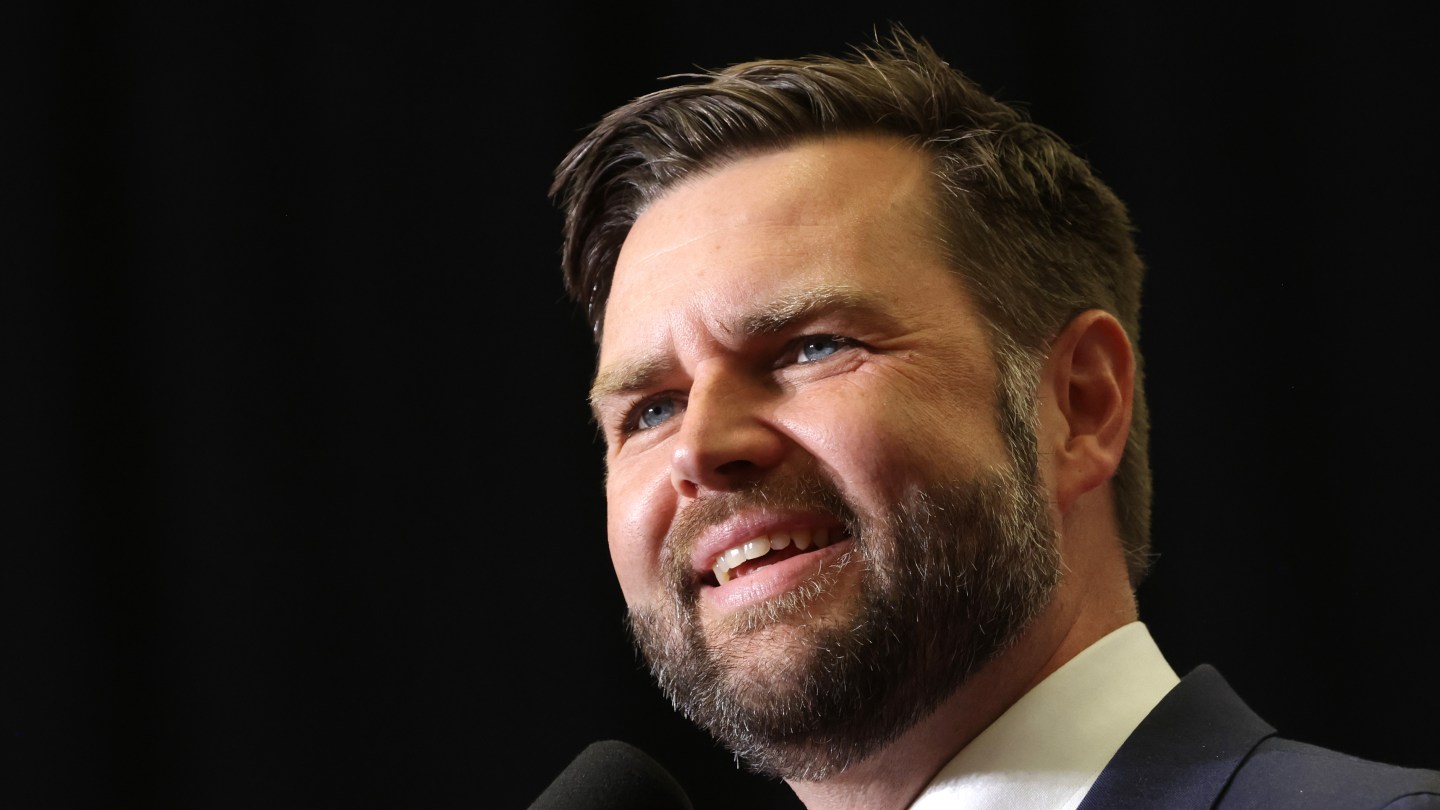
Senator JD Vance recently addressed the underlying causes of Republican underperformance during the midterm elections, pointing toward internal party dynamics and the influence of former President Donald Trump. During a recent interview, the Ohio Republican argued that the party struggled to maintain a unified message amidst ongoing political friction.
Vance suggested that the strategic focus of the party was often diverted by personal rivalries and external pressures that hindered the overall electoral success of GOP candidates. He noted that “everyone knows why we lost”, implying that the lack of cohesion and the specific tone set by leadership played a significant role in the outcome of several key races across the country.
The senator emphasized that the Republican platform needs to pivot toward issues that resonate more broadly with the electorate rather than focusing on internal grievances. By acknowledging these shortcomings, Vance is attempting to steer the party toward a more disciplined approach ahead of future election cycles, focusing on policy rather than personality-driven conflicts.
Political analysts have observed that Vance’s comments reflect a growing sentiment among some members of the party who believe that the influence of Donald Trump, while powerful, can sometimes complicate the path to victory in swing districts. The debate over the party’s direction remains central to the ongoing discussions within the GOP as it prepares for upcoming national contests.
Despite these criticisms, supporters of the former president maintain that his endorsement remains the most potent force in Republican politics. The tension between those advocating for a change in strategy and those loyal to the traditional populist movement suggests that the party will continue to grapple with these identity issues for some time.
Ultimately, Vance’s assessment serves as a call for a more unified front to ensure that the party can capitalize on its strengths in future elections. Whether this critique will lead to a shift in messaging remains to be seen as the party continues its efforts to regain a legislative advantage and solidify its coalition of voters across various demographics.