
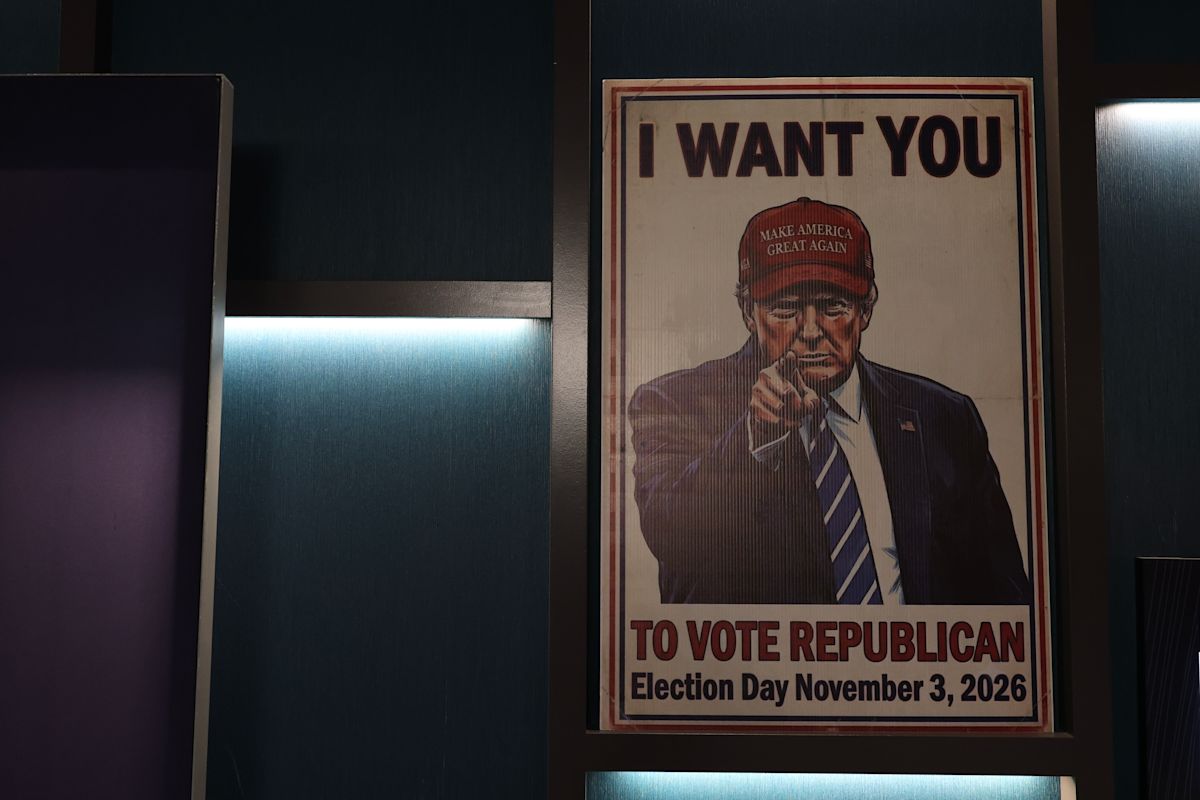
Following a series of disappointing results in the midterm elections, prominent Republican officials have begun to voice concerns regarding the future direction of the party. The electoral outcomes, which fell short of the anticipated wave for the GOP, have prompted a wave of introspection among leadership and grassroots members alike. Many now suggest that the party is facing a significant “reckoning” that will require a fundamental reassessment of current campaign strategies and messaging platforms.
The discourse within the party ranks centers on whether the current focus remains aligned with the broader electorate. Some strategists argue that the candidates selected during the primaries may have struggled to appeal to independent voters in critical swing states. As a result, there is an increasing push for a more inclusive approach that addresses economic concerns while moving past divisive rhetoric. This internal debate underscores the tension between different factions vying for influence over the party’s long-term identity.
While some members advocate for a complete overhaul of leadership, others suggest that the path forward involves refining existing policies to better resonate with suburban voters. The conversation has also touched upon the role of external endorsements and their impact on general election viability. Party officials are currently reviewing data from key districts to identify specific failures in outreach and voter mobilization efforts.
As the party prepares for upcoming cycles, the pressure to demonstrate unity while addressing these deep-seated grievances remains high. Observers note that the next few months will be critical in determining how the GOP navigates these challenges. Whether the party chooses to double down on its current trajectory or pivot toward a more moderate stance remains an open question for many observers. For now, the focus remains on stabilizing the organization and preparing for the next legislative session while reconciling with the recent electoral reality.