
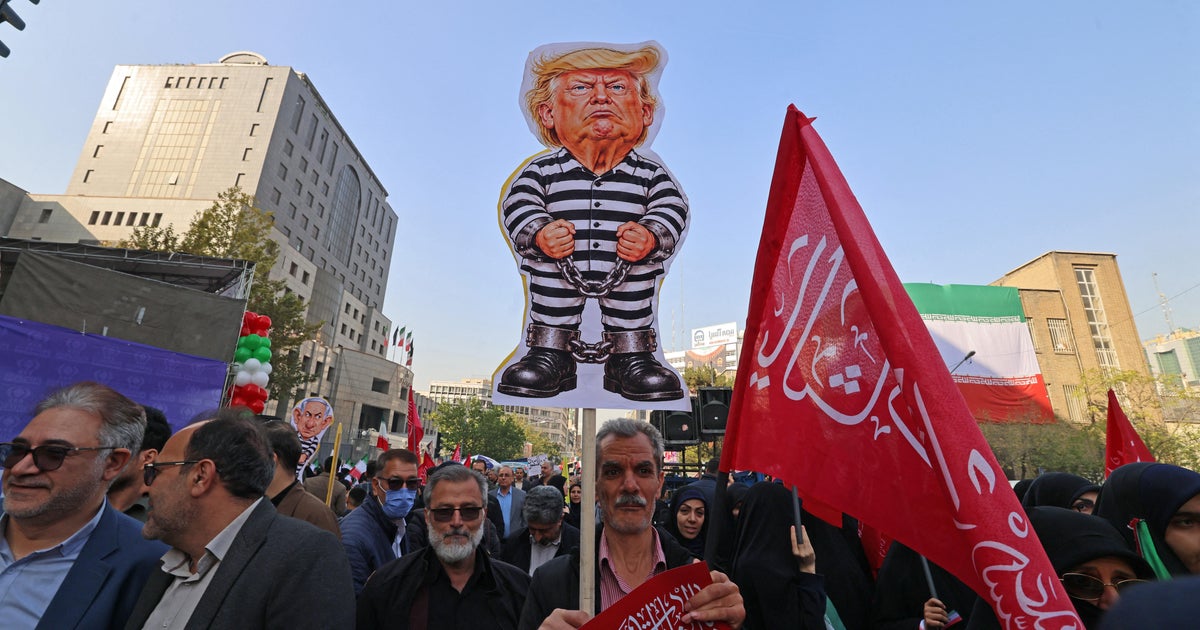
Iranian officials have publicly interpreted the outcome of the recent United States midterm elections as a clear sign that the American electorate is increasingly disillusioned with the nation’s foreign military engagements. Government spokespersons in Tehran argued that the shift in political momentum reflects a domestic desire to prioritize internal stability over international interventions.
State media outlets conveyed that the “midterms election results show Americans reject the war” policies that have defined recent administrations. By framing the electoral shift as a referendum on military strategy, Iranian leadership seeks to highlight what they perceive as a growing divide between Washington’s global agenda and the priorities of ordinary citizens.
The commentary from Tehran comes at a time of heightened geopolitical tension between the two nations. While the United States continues to maintain a stance of strategic pressure regarding Iran’s nuclear program and regional influence, Iranian authorities are utilizing the domestic political discourse within the United States to challenge the legitimacy of that approach. Analysts suggest this rhetoric is intended to project an image of American instability to both domestic and international audiences.
Despite these claims, political observers note that the midterm results were driven by a complex array of factors, including inflation, economic concerns, and social issues rather than a singular focus on foreign policy. The Biden administration has not issued a direct response to these specific claims from Tehran, maintaining its focus on the legislative agenda following the vote count.
As the international community monitors the fallout from the American elections, the interpretation offered by Iranian officials serves as a reminder of how global powers often attempt to leverage domestic political outcomes to support their own diplomatic narratives. Whether this rhetoric will influence future diplomatic channels remains uncertain, as both countries appear entrenched in their respective positions. The situation underscores the ongoing struggle to define the impact of American electoral outcomes on the broader landscape of Middle Eastern security and global diplomacy.