
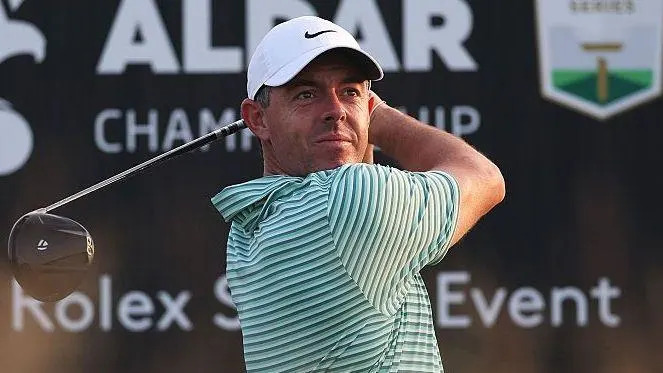
Rory McIlroy has reignited the conversation surrounding the state of professional golf by calling for a comprehensive reset of the sport’s current structure. The four-time major champion expressed his concerns regarding the long-term sustainability of the game following the disruption caused by the emergence of the Saudi-backed LIV Golf league.
Speaking ahead of the latest tournament, the Northern Irishman argued that the current financial landscape in professional golf is unsustainable. He specifically pointed to the massive capital injections from the Public Investment Fund as a “false economy” that has distorted market values and created divisions among the world’s top players.
McIlroy highlighted that the sport is currently operating in a fragmented state, which he believes is detrimental to the overall product offered to fans and sponsors. He suggested that the path forward requires a unified vision that prioritizes the health of the professional game over short-term financial gains for individual athletes.
The golfer noted that the current trajectory is not conducive to healthy competition. He emphasized that the focus should shift back to the traditional pillars of golf, which have historically provided stability and prestige. By calling for a reset, McIlroy is advocating for a collaborative approach between the PGA Tour, the DP World Tour, and other stakeholders to find a cohesive solution.
Observers of the sport have noted that McIlroy’s comments reflect the ongoing tension between traditional tours and the LIV circuit. While negotiations regarding a potential framework agreement have been ongoing for over a year, progress has been slow and often opaque. McIlroy remains one of the most vocal proponents of a resolution that would bring the best players back together under a single, coherent umbrella.
As the professional game navigates these turbulent waters, the pressure on governing bodies to finalize a deal that satisfies all parties continues to mount. McIlroy’s latest intervention serves as a reminder that the window for reconciliation may be closing if the sport does not address these underlying economic imbalances soon. The golfing world now waits to see if these calls for a reset will lead to tangible changes in the governance and financial structure of the professional tour.